

By Angel Smile Pediatric Dentistry
April, 2026
If you’ve been noticing an unpleasant smell when your child talks or laughs, you’re definitely not the only one. Many parents deal with this at some point, and while it can be frustrating, it’s usually something that can be fixed once you understand the cause.
It’s tempting to reach for quick solutions like mints or flavored gum, but those only cover up the issue for a short time. Bad breath—often called halitosis—usually has an underlying reason, and identifying it is the key to getting lasting results.
In most cases, the cause is something simple, like missed brushing or certain foods. But sometimes, it can be linked to other health concerns that need a closer look.
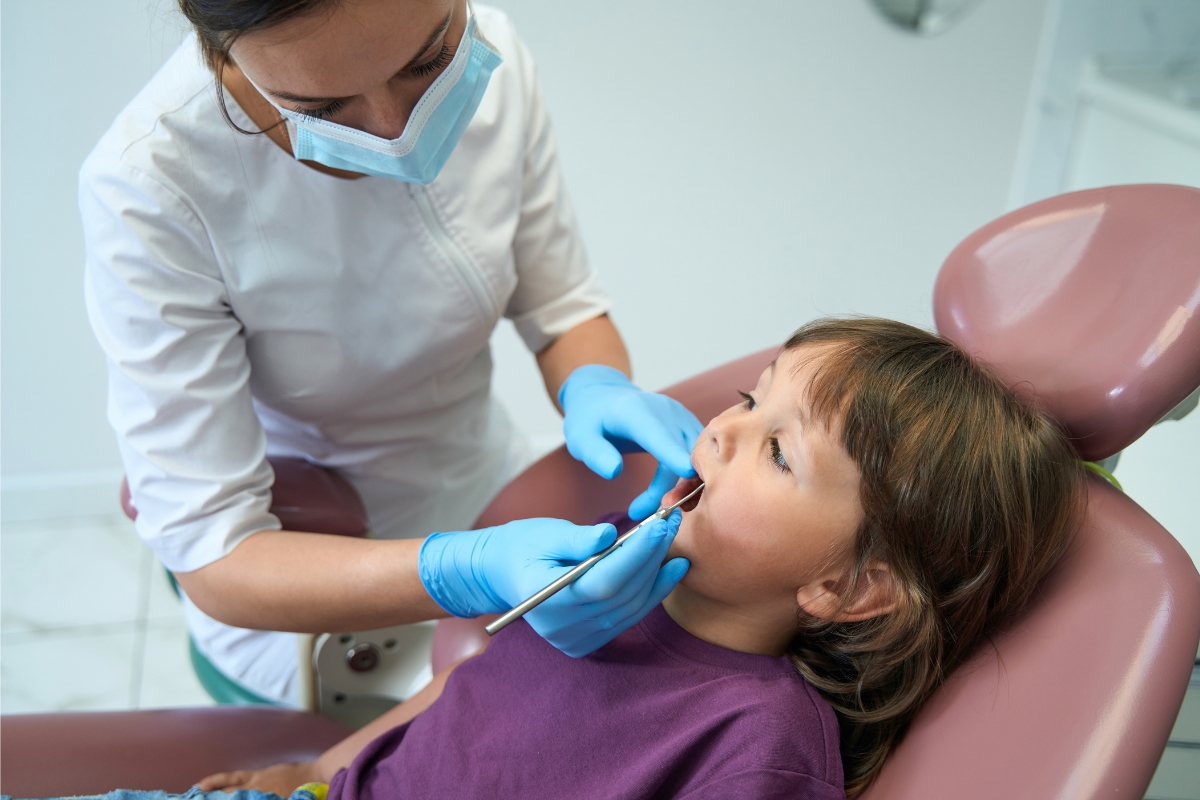
If your child’s breath doesn’t improve even with good oral care, it’s a smart move to visit a pediatric dentist in Wylie. The team at Angel Smile Pediatric Dentistry can take a closer look, identify the cause, and guide you on the best way to treat it.
What Does “Bad Breath” Really Mean?
Bad breath is simply an unpleasant odor coming from the mouth. It might show up after eating certain foods, first thing in the morning, or linger throughout the day. For kids, it’s often linked to bacteria in the mouth, but it can also be influenced by habits, diet, or even overall health.
9 Reasons Your Child Might Have Bad Breath
Inconsistent Brushing and Flossing
When brushing or flossing is skipped, tiny food particles stay behind. Bacteria feed on these particles and release odors, which leads to bad breath.
Buildup on the Tongue
The tongue can hold onto bacteria just like teeth do. If it’s not cleaned regularly, it can become a hidden source of odor.
Dry Mouth
Saliva helps keep the mouth clean. When your child’s mouth is dry—whether from not drinking enough water or due to certain medications—bacteria can grow more easily.
Breathing Through the Mouth
Kids who breathe through their mouths, especially while sleeping, often wake up with bad breath because their mouth dries out overnight.
Certain Foods
Sugary snacks, dairy products, and strong-smelling foods can all contribute. They either feed bacteria or leave behind lingering smells.
Sinus Issues or Allergies
If your child has a stuffy nose or frequent allergies, mucus can build up in the throat. This can create an unpleasant smell over time.
Acid Reflux
When stomach acid comes back up into the throat, it can leave a sour odor in the mouth along with discomfort.
Not Drinking Enough Water
Dehydration reduces saliva production. Less saliva means less natural cleaning, which can lead to bad breath.
Medications or Health Conditions
Some medications can dry out the mouth. In rare situations, ongoing bad breath may be linked to a medical condition that needs attention.
Simple Ways to Keep Your Child’s Breath Fresh
Helping your child maintain fresh breath doesn’t have to be complicated. Start with the basics—make sure they brush twice a day and floss regularly. If they’re old enough, encourage them to gently clean their tongue too.
Keeping them hydrated is just as important. Water helps wash away bacteria and keeps saliva flowing. Try to limit sugary snacks and replace them with healthier options when possible.
Regular dental visits also make a big difference. They help catch small issues before they turn into bigger problems.
When Should You Take It Seriously?
Occasional bad breath is normal, especially after meals or in the morning. But if it sticks around no matter what you try, it’s worth getting it checked out. Persistent bad breath can sometimes point to cavities, infections, or other concerns that need professional care.
Bad breath in children might seem like a small issue, but it can affect their confidence and comfort. The good news is that most causes are easy to manage with the right habits and a little guidance.
Schedule an appointment with Angel Smile Pediatric Dentistry today to make sure your child’s smile stays fresh, healthy, and confident!
FAQs About Bad Breath in Children
How can I tell if my child has bad breath?
You may notice a strong or unpleasant smell when they speak, or they might mention a bad taste in their mouth.
Is bad breath always caused by poor brushing?
Not always. While oral hygiene is a big factor, things like diet, dry mouth, or sinus issues can also play a role.
Can drinking more water really help?
Yes, it can. Staying hydrated supports saliva production, which naturally helps clean the mouth.
Should kids use mouthwash?
Only if a dentist recommends it. Some mouthwashes aren’t suitable for younger children.
Q5: How often should my child see a dentist?
Every six months is a good rule of thumb, unless your dentist suggests otherwise.