


By Angel Smile Pediatric Dentistry
May, 2026
Most parents don’t expect a routine dental visit to end with the words, “Your child has a cavity.” When it happens, the first reaction is often surprise, followed by a lot of questions. Does the tooth really need treatment? Can it wait? Is a filling necessary if it’s only a baby tooth?
These concerns are completely understandable. After all, children are constantly growing, losing teeth, and developing new habits. However, when tooth decay has already damaged a tooth, waiting rarely makes the situation better. A dental filling is often the simplest way to stop the problem before it begins affecting your child’s comfort and everyday life.
Many families start searching for a pediatric dentist near me only after a child mentions tooth pain. The challenge is that cavities don’t always announce themselves. In many cases, a cavity can be developing for months before there is any noticeable discomfort. By the time pain appears, the decay may have already spread deeper into the tooth.
That’s why regular dental examinations are so valuable. They give dentists an opportunity to spot small changes long before they become bigger concerns.
Not Every Cavity Looks Like a Cavity
When people think of tooth decay, they often imagine a large dark hole in a tooth. In reality, cavities can start much more subtly.
A child may have decay even if their teeth appear normal at first glance. Sometimes the earliest clues are easy to overlook:
- A child suddenly avoids cold foods.
- One side of the mouth is used more while chewing.
- A tooth develops a chalky white patch.
- Certain foods begin causing mild discomfort.
- Brushing around one area becomes sensitive.
These small changes can be early indicators that a tooth needs professional attention.
Why Dentists Recommend Fillings
Think of a cavity like a small crack in a windshield. At first, it may seem harmless. But if left alone, the damage continues to spread.
A filling removes the weakened portion of the tooth and seals the area before bacteria can cause further destruction. The objective is not simply to repair a tooth—it’s to prevent a minor issue from becoming a major one.
When treatment happens early, children are more likely to avoid procedures that are longer, more involved, and more expensive.
The Truth About Baby Teeth
One of the biggest myths in children’s dentistry is that baby teeth don’t matter because they’re temporary.
In reality, those small teeth have important jobs to do every day.
They help children:
- Bite and chew comfortably
- Learn proper speech patterns
- Maintain room for adult teeth
- Support healthy jaw growth
When a baby tooth is lost too soon because of untreated decay, neighboring teeth may begin shifting. This movement can affect the way permanent teeth emerge later.
For that reason, preserving baby teeth whenever possible is usually the preferred approach.
What Happens When Treatment Is Delayed?
A cavity rarely stays the same size forever. Once decay reaches the inner layers of a tooth, children may begin experiencing symptoms that affect daily life.
Parents often notice changes such as:
- Complaints about toothaches at bedtime
- Difficulty eating crunchy foods
- Increased irritability
- Trouble concentrating due to discomfort
- Reluctance to brush around a sore tooth
What could have been treated with a simple filling may eventually require more extensive care if the decay continues to progress.
A Filling Appointment Is Usually Easier Than Parents Expect
Children often feel nervous because they don’t know what will happen during treatment. Parents may feel anxious as well.
Fortunately, modern pediatric dentistry is designed with children’s comfort in mind.
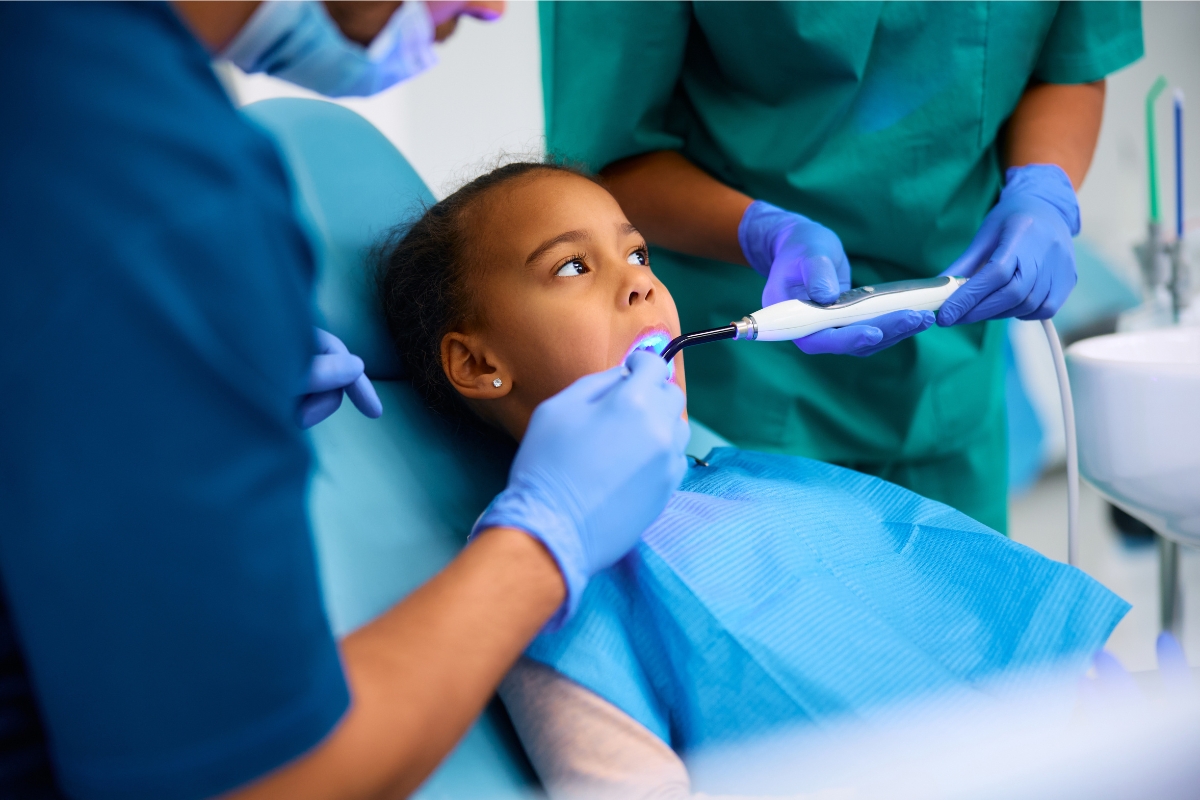
The process is straightforward. The dentist gently removes the damaged part of the tooth, cleans the area, and places a durable filling material that blends naturally with the tooth. The restored tooth can then continue doing its job normally.
Many children leave their appointment wondering why they were worried in the first place.
Creating Healthy Habits for the Future
While fillings fix existing cavities, prevention remains the long-term goal.
Small everyday habits make a meaningful difference:
- Brushing before school and before bed
- Drinking water throughout the day
- Choosing snacks with less added sugar
- Replacing worn toothbrushes regularly
- Keeping up with routine dental visits
These habits not only reduce cavity risk but also help children build a positive relationship with oral health as they grow.
Supporting Your Child’s Smile at Every Stage
Every child deserves to laugh, eat, learn, and play without being distracted by dental discomfort. Treating cavities early helps make that possible. A filling may seem like a small procedure, but it can prevent bigger issues and protect a growing smile for years to come.
At Angel Smile Pediatric Dentistry, we understand that every child is different. That’s why we focus on creating a welcoming environment where children feel comfortable and parents feel informed. Families throughout Wylie, TX trust our team to provide gentle care that supports healthy smiles from the toddler years through adolescence.
Frequently Asked Questions
Can a cavity get better without a filling?
Once a cavity creates permanent damage in a tooth, it generally cannot repair itself. A dentist can determine whether treatment is necessary.
Why didn’t my child tell me their tooth hurt?
Many cavities develop without pain in the beginning. Some children also adapt to mild discomfort and may not mention it.
Is it common for children to need fillings?
Yes. Tooth decay remains one of the most common childhood health concerns, which is why regular dental visits are recommended.
How can dentists find cavities that I can’t see?
Dental examinations and X-rays can reveal decay hidden between teeth or beneath the surface where it may not be visible at home.
Are tooth-colored fillings available for children?
Yes. Tooth-colored materials are commonly used because they blend naturally with the surrounding tooth.
What should I do if I think my child has a cavity?
The best step is to have the tooth evaluated before the problem worsens. Early treatment is usually simpler and more comfortable for children.
If you’ve noticed changes in your child’s smile or it’s been a while since their last dental visit, schedule an appointment with Angel Smile Pediatric Dentistry today. Our team is proud to provide compassionate pediatric dental care for families in Wylie, TX.
Related Articles