



By
August, 2026
If your child’s dentist just mentioned orthodontic treatment, your mind is probably racing. You may have already searched for answers to the five questions parents ask before their child gets braces in Wylie. We hear these questions every week at Angel Smile Pediatric Dentistry. This article gives you honest, clear answers so you feel confident before your child’s first orthodontic consultation.
Every child’s smile is different. What works for one child may not be the right path for another. Our goal is to help Wylie parents understand the process from start to finish.
Question 1: How Do I Know If My Child Actually Needs Braces in Wylie?
Not every child who sees an orthodontist ends up needing braces. A professional evaluation is the only way to know for certain. Your child’s dentist will look at bite alignment, tooth spacing, and jaw development before making any recommendation.
Common signs that braces may be needed include:
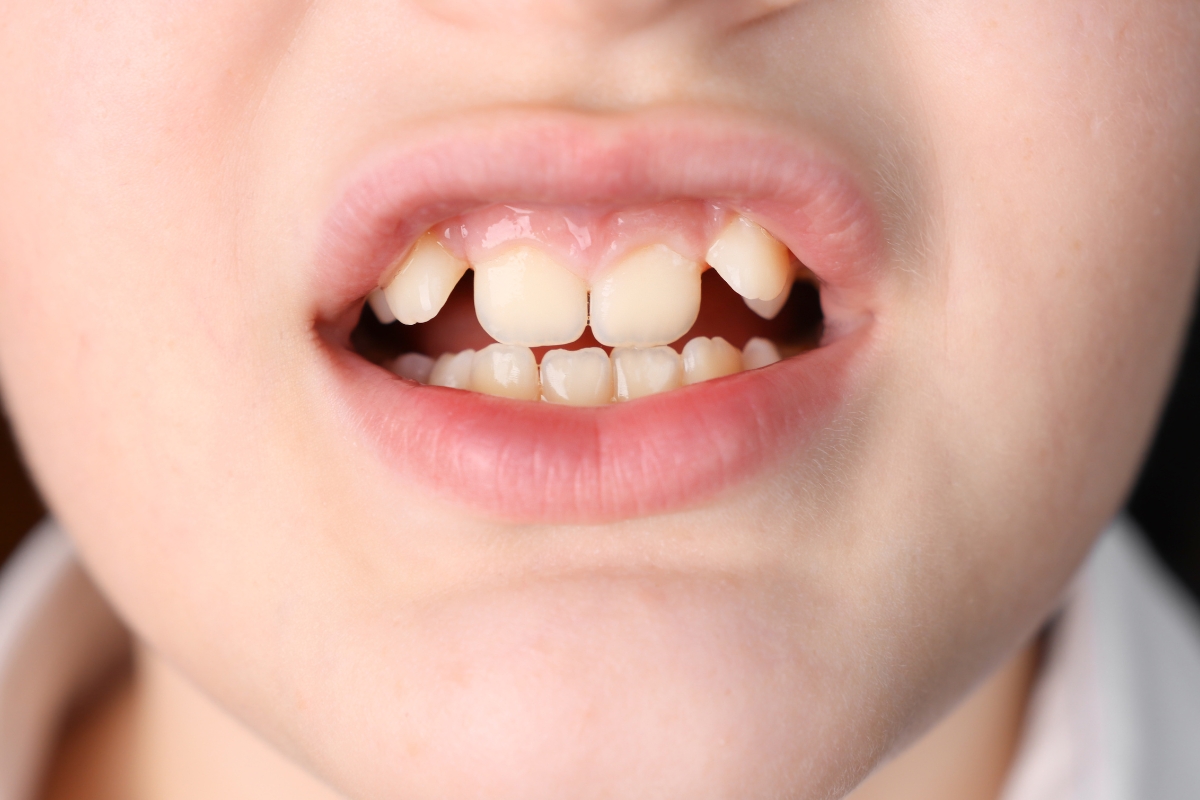
- Crowded or overlapping teeth
- Gaps between teeth that are too wide
- An overbite, underbite, or crossbite
- Difficulty chewing or biting food properly
- Baby teeth that fell out too early or too late
These issues do not always cause pain. Many children show no obvious symptoms at all. That is why routine dental visits at Angel Smile Pediatric Dentistry are so important for catching alignment concerns early.
Question 2: What Is the Right Age to Start Orthodontic Treatment?
The American Association of Orthodontists recommends an orthodontic screening by age seven. At this age, most children have a mix of baby and adult teeth. That mix gives specialists a clear picture of how the bite is developing.
Starting an evaluation early does not mean braces begin immediately. Many children are simply monitored until the right time. Some benefit from early intervention, called Phase 1 treatment, to guide jaw growth before all adult teeth come in.
At Angel Smile Pediatric Dentistry, we track jaw and tooth development during every regular checkup. This ongoing monitoring helps us refer families at exactly the right moment. There is no need to rush — and no benefit to waiting too long.
Question 3: What Types of Braces Are Available for Children?
Parents often ask this question because they remember bulky metal braces from their own childhoods. Today’s options are more comfortable and more varied. Your child’s orthodontist will recommend the best type based on age, growth stage, and the severity of the alignment issue.
Common orthodontic options for children include:
- Traditional metal braces — durable, effective, and ideal for complex cases
- Ceramic braces — tooth-colored brackets that blend in more naturally
- Clear aligners — removable trays suited for mild to moderate cases in older teens
- Palate expanders — devices used in early treatment to widen the upper jaw
Each option has its own timeline and care requirements. Metal braces are still the most common choice for younger children because they handle a wide range of corrections reliably. Your orthodontist will walk you through every option at the consultation.
Question 4: How Long Will My Child Need to Wear Braces?
Treatment length depends on the complexity of your child’s case. Simple corrections may take as little as 12 months. More involved cases can take 24 to 36 months or longer.
Several factors affect how long treatment takes:
- The type and severity of the bite or alignment issue
- Whether early Phase 1 treatment was completed
- How consistently your child follows care instructions
- Growth patterns that vary from child to child
Children who wear removable aligners must keep them in for the recommended 20 to 22 hours per day. Failing to do so extends treatment time. Consistent follow-up appointments also keep treatment on track. Missing visits can delay progress significantly.
After braces come off, most children wear a retainer. Retainers hold teeth in their new position while the bone settles. This phase is just as important as the active treatment itself.
Question 5: How Do We Prepare My Child Emotionally for Braces?
Dental anxiety in children is very real, and orthodontic treatment adds a new layer of unknowns. Many kids feel nervous about how braces will look or whether they will hurt. Honest, age-appropriate conversations go a long way in easing those fears.
Here are a few strategies that help children feel more prepared:
- Explain what braces do in simple, positive terms
- Let your child ask questions at the consultation appointment
- Acknowledge that some discomfort is normal after adjustments
- Celebrate small milestones throughout treatment
- Connect them with friends or cousins who have been through it
At Angel Smile Pediatric Dentistry, our team is trained to work with children who feel anxious or uncertain. We use a calm, friendly approach at every visit. Making children feel heard and respected is part of everything we do in Wylie.
What to Expect at Your Child’s Orthodontic Consultation in Wylie
The first consultation is typically a straightforward appointment. Your child’s teeth, bite, and jaw will be examined carefully. X-rays may be taken to see how teeth are positioned below the gumline.
You will leave with a clear picture of whether treatment is recommended, which options fit your child’s needs, and what the estimated timeline looks like. There is no pressure to start treatment the same day. Take the time you need to ask questions and feel informed.
Angel Smile Pediatric Dentistry serves families throughout Wylie and the surrounding communities. We are here to be a trusted resource at every stage of your child’s dental development — from the very first tooth to a confident teenage smile.
If you are ready to take the next step, Book Now to schedule your appointment with our team.
Frequently Asked Questions
At what age should my child have their first orthodontic evaluation?
Most dental professionals recommend an orthodontic screening around age seven. By this age, a mix of baby and adult teeth is present, which allows specialists to identify developing alignment issues early. An early evaluation does not always mean treatment begins right away.
Will my child feel pain when braces are first placed?
Some children experience mild soreness or pressure for a few days after braces are placed or adjusted. This is completely normal and usually manageable with soft foods and over-the-counter pain relievers approved for children. The discomfort typically fades within two to four days.
Can my child still play sports while wearing braces?
Yes, children can continue playing sports during orthodontic treatment. A mouthguard designed for braces provides protection during contact sports. Ask your child’s orthodontist to recommend the right type of mouthguard for your child’s specific appliance.
What foods should my child avoid with braces?
Children with braces should avoid hard, sticky, and chewy foods. Examples include hard candies, popcorn, chewing gum, caramel, and ice. These foods can damage brackets or wires and may prolong treatment time if repairs are needed.
How often will my child need orthodontic appointments?
Most children with braces visit their orthodontist every four to eight weeks for adjustments. These appointments are short but essential for keeping treatment on schedule. Missing appointments can slow progress and extend the overall treatment timeline.