


By Angel Smile Pediatric Dentistry
August, 2026
Seeing your child lose a baby tooth can bring mixed feelings. If it falls out on schedule, there is usually nothing unusual about it. But when a baby tooth is lost much earlier than expected, parents may have a different question: Could the empty space cause problems later?
In some cases, a space maintainer for children can help keep nearby teeth from moving while the permanent tooth is still developing. It is a relatively simple idea, but whether your child actually needs one depends on several details.
If your child has recently lost a baby tooth because of decay, an accident, or another dental problem, here is what parents should know.
Why Does Early Baby Tooth Loss Matter?
Baby teeth have a job to do before they eventually fall out. Besides helping children eat and speak, they help guide permanent teeth into their intended positions.
Imagine a row of books sitting closely together on a shelf. Remove one book too early, and the others can gradually lean or slide into the empty spot. Teeth can behave somewhat similarly.
When a primary tooth disappears prematurely, neighboring teeth may move toward the opening. That can leave less room for the permanent tooth that is waiting underneath.
This does not mean every early missing tooth will create a problem. Children develop at different rates, which is why a dental evaluation is more useful than simply counting how many months remain until the next tooth comes in.
What Is a Dental Space Maintainer?
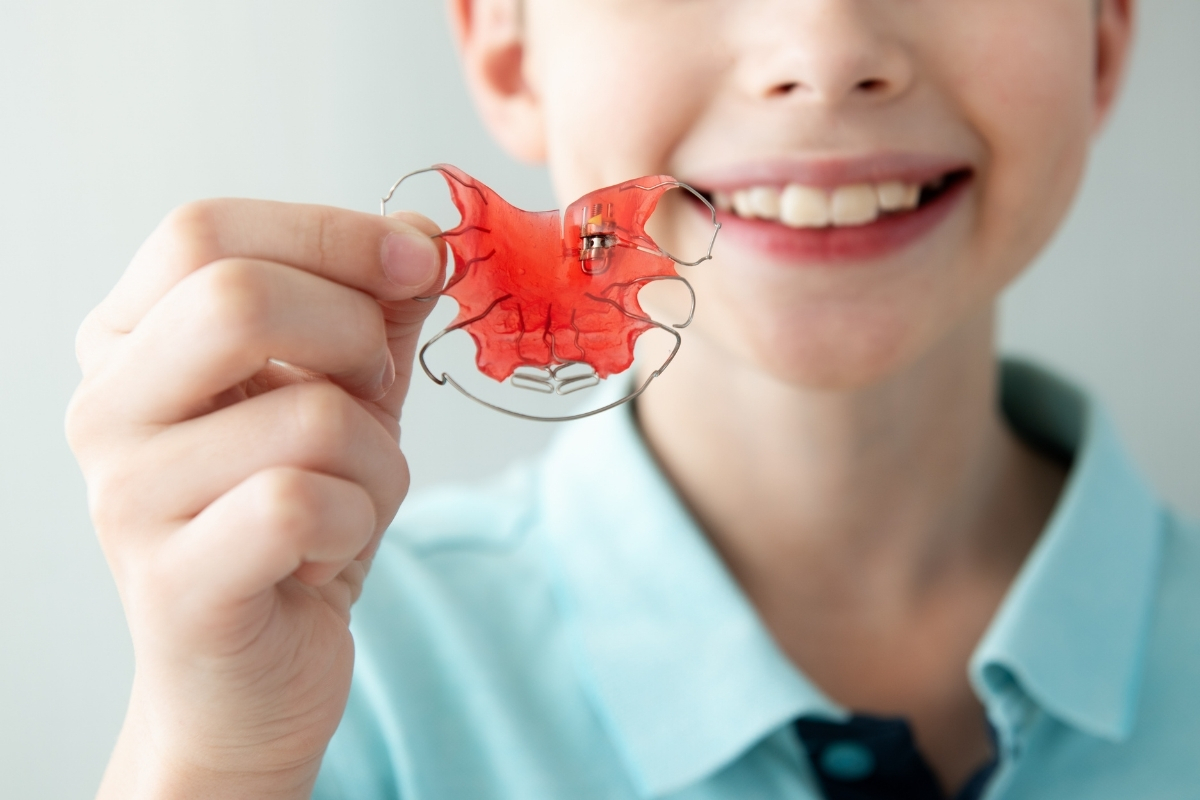
A dental space maintainer is an appliance used to preserve the opening created when a baby tooth is lost before its normal time.
Think of it as holding the spot open rather than trying to move teeth back later.
The American Academy of Pediatric Dentistry recognizes space loss as one possible consequence of premature primary tooth loss. The potential effect depends on factors such as which tooth was lost, the child’s stage of dental development, and the position of the permanent tooth.
That is why a space maintainer for baby teeth is not automatically recommended whenever a child has a missing tooth.
Does My Child Need a Space Maintainer?
If you are asking, “Does my child need a space maintainer?”, there is no universal yes-or-no answer.
A pediatric dentist may consider:
The tooth that is missing
Losing a front baby tooth may present different concerns from losing a primary molar. Back teeth can be particularly important for maintaining room for developing permanent teeth.
Your child’s dental development
Two children who are the same age may be at different stages of tooth development. The dentist considers where your child is in the normal sequence of tooth eruption.
The permanent tooth underneath
An X-ray can sometimes show how the permanent tooth is developing and where it is positioned. If that tooth is already close to appearing, maintaining the space may not be necessary.
Changes in surrounding teeth
The dentist will also check whether neighboring teeth have started moving toward the empty area.
These factors help determine whether observation is enough or whether tooth space preservation could be beneficial.
What Causes Premature Tooth Loss in Children?
Children can lose baby teeth early for several reasons. Some of the more common ones include:
- Large cavities that weaken a tooth
- An infection that cannot be treated while keeping the tooth
- A fall, collision, or sports-related injury
- A tooth that has developed abnormally
- Other dental conditions affecting primary teeth
If a missing baby tooth appears unexpectedly, it is a good idea to let your child’s dental team know rather than assuming the permanent tooth will simply arrive immediately afterward.
What Does a Pediatric Dental Space Maintainer Look Like?
There is more than one type of pediatric dental space maintainer. The design depends on the tooth that was lost and the surrounding teeth.
Band and loop
A small metal band fits around a nearby tooth, with an extension that occupies the empty area. This is often considered when one primary tooth is missing.
Crown and loop
This option uses a crown on the supporting tooth instead of a simple band. It may make sense when that tooth also requires significant dental restoration.
Distal shoe
This is a specialized appliance sometimes used after the early loss of certain back baby teeth. Because of how it is positioned, the dentist needs to carefully evaluate and monitor the child.
The appliance is selected for the child’s specific situation rather than simply based on age.
How Do Children Adjust to a Space Maintainer?
At first, your child may notice something new in their mouth. Eating or talking can feel slightly different until they get accustomed to it.
Parents can make the adjustment easier by helping children maintain good brushing habits and reminding them not to pull or play with the appliance.
It is also important to attend recommended checkups. The dentist can make sure the appliance remains in place, check the supporting tooth, and monitor the permanent tooth’s progress.
If the appliance breaks or becomes loose, contact the dental office instead of attempting to fix it at home.
What Should You Do If Your Child Loses a Baby Tooth Early?
A few simple steps can help:
- Call the dental office. Find out whether your child should be examined.
- Ask about an X-ray. The dentist may use imaging to assess the developing permanent tooth.
- Keep brushing. Clean the teeth around the missing area carefully.
- Watch for discomfort. Pain, swelling, or other unusual symptoms should be reported.
- Keep follow-up visits. If an appliance is recommended, monitoring is part of the treatment.
For families in Texas area, a pediatric dentist in Wylie can assess the child’s developing teeth and explain whether maintaining the empty space is appropriate.
Does Every Child With a Missing Baby Tooth Need One?
No. This is worth emphasizing.
Some children lose a primary tooth early and never develop a significant spacing issue. Others may have noticeable movement of nearby teeth before the permanent tooth is ready.
A space maintainer is therefore a decision based on the individual child. The goal is not to place an appliance simply because a tooth is missing. The goal is to intervene when maintaining the opening may support healthier dental development.
A Small Gap Can Be Worth Checking
When a baby tooth disappears earlier than expected, it can be tempting to wait and see what happens. Sometimes that is perfectly reasonable. Other times, the surrounding teeth may begin using the space before the permanent tooth is ready.
That is why an early evaluation can be helpful. A dentist can look at your child’s teeth, consider their stage of development, and explain whether a space maintainer for children makes sense.
For parents in Wylie, TX, Angel Smile Pediatric Dentistry can evaluate early tooth loss and help you understand the next step for your child’s growing smile.
Schedule an Appointment if your child has lost a baby tooth earlier than expected and you have questions about preserving the space.
Frequently Asked Questions
How long does a space maintainer stay in?
It depends on when the permanent tooth is expected to emerge. Your child’s dentist will monitor the area and decide when the appliance should be removed.
Can my child eat with a space maintainer?
Generally, children can eat normally once they adjust. The dental team may suggest limiting foods that are especially sticky or hard.
What happens if my child’s appliance falls out?
Call the dental office. A loose or missing appliance may no longer be doing its job, and the dentist can determine what should happen next.
Will a space maintainer mean my child needs braces?
Not necessarily. Its purpose is to hold space after early tooth loss. Orthodontic needs depend on many other aspects of tooth and jaw development.
Related Articles