


By Angel Smile Pediatric Dentistry
August, 2026
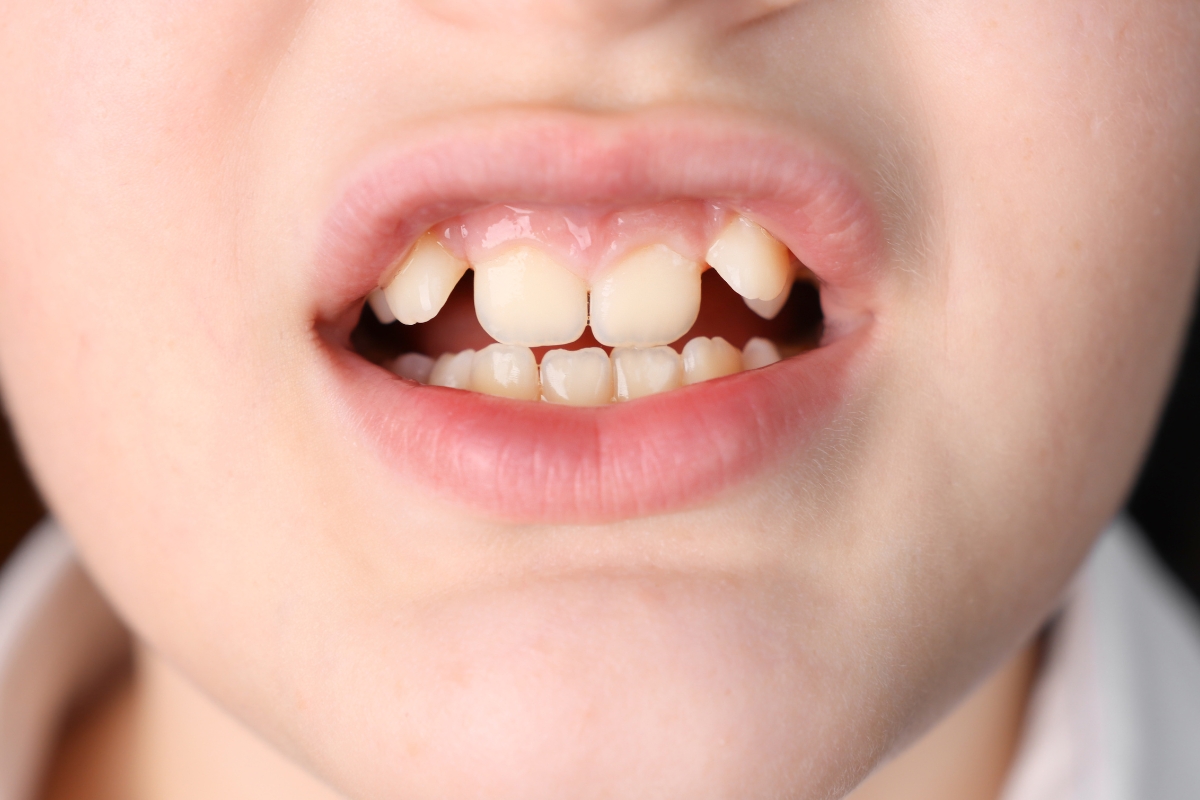
As a parent, you probably think about your child’s teeth every time you remind them to brush. But there is more to a healthy smile than keeping teeth clean. Healthy tooth enamel for children starts with protecting the hard outer layer that shields each tooth from daily wear, bacteria, and acids.
Enamel is remarkably strong, but it is not indestructible. Frequent sugary snacks, acidic drinks, plaque buildup, and inconsistent brushing can gradually put children’s teeth at risk.
And the concern is not just theoretical. CDC data shows that about half of children ages 6 to 9 have had a cavity in a baby or permanent tooth. Nearly 18% of children ages 6 to 8 also had untreated decay in their primary teeth.
The good news? Many of the habits that help protect children’s tooth enamel are simple enough to become part of your family’s everyday routine.
Why Does Children’s Tooth Enamel Need Protection?
Enamel covers the outside of every tooth and protects the more sensitive layers underneath. When children eat or drink something containing sugar, bacteria in plaque can produce acids. Repeated acid exposure can remove minerals from enamel.
At first, this process may not cause pain. If it continues, however, the enamel can become weaker and eventually develop a cavity.
That is why enamel protection for children is mostly about prevention. A few consistent habits can make a meaningful difference over time.
Make Fluoride Brushing a Twice-Daily Habit
Brushing removes plaque and food particles, while fluoride helps make enamel more resistant to tooth decay.
The American Dental Association recommends a rice-grain-sized amount of fluoride toothpaste for children younger than 3 and a pea-sized amount for children ages 3 to 6. Parents should supervise brushing and encourage children to spit rather than swallow the toothpaste.
For most families, the easiest routine is:
- Brush in the morning.
- Brush again before bed.
- Use a soft-bristled toothbrush.
- Replace the toothbrush when the bristles become worn.
- Help younger children brush all tooth surfaces.
If your child still struggles to brush independently, don’t worry. Many children need supervision for quite a while before they can clean their teeth effectively on their own.
Look at How Often Your Child Has Sugary Foods
You don’t have to completely ban birthday cake, cookies, or other treats to protect your child’s teeth.
What matters is how often the teeth are exposed to sugar.
A child who constantly grazes on sweet snacks throughout the afternoon may expose their teeth to repeated acid attacks. On the other hand, keeping snacks to regular times and choosing nutritious options between meals can give the mouth more opportunity to recover.
Try offering foods such as:
- Cheese
- Plain or low-sugar yogurt
- Fresh vegetables
- Whole fruits
- Nuts when age-appropriate and safe
- Water between meals
Think balance rather than restriction. Children can still enjoy treats while learning habits that support their teeth.
Make Water the Go-To Drink
Water is one of the simplest choices for protecting a child’s smile.
It can help rinse away food particles and supports saliva, which naturally helps maintain the mouth’s balance. Choosing water instead of soda, sweetened beverages, or frequent juice can also reduce the amount of sugar and acid contacting the teeth.
This can be particularly useful for busy families in Wylie, TX. Whether your child is heading to school, playing outside, or going to an after-school activity, keeping a refillable water bottle nearby makes the healthier choice easier.
If your family mainly uses bottled or filtered water, ask your child’s dental professional whether your child is receiving an appropriate amount of fluoride from other sources.
Don’t Ignore Acidic Drinks and Foods
Sugar isn’t the only concern when it comes to child tooth enamel. Acids can directly weaken the enamel surface and contribute to erosion when exposure happens frequently.
Soda, sports drinks, energy drinks, and some fruit drinks can be acidic. Even certain foods, including citrus fruits, contain natural acids.
You don’t necessarily need to remove these foods from your child’s diet. Instead, focus on frequency.
Simple Ways to Reduce Acid Exposure
Encourage your child to:
- Drink water after acidic foods or drinks.
- Avoid slowly sipping acidic beverages over a long period.
- Choose water more often.
- Keep acidic drinks occasional rather than everyday beverages.
- Follow a regular meal and snack schedule.
If you notice tooth sensitivity, unusual discoloration, rough-looking enamel, or discomfort while eating, mention it during your child’s next dental visit.
Keep Regular Dental Visits
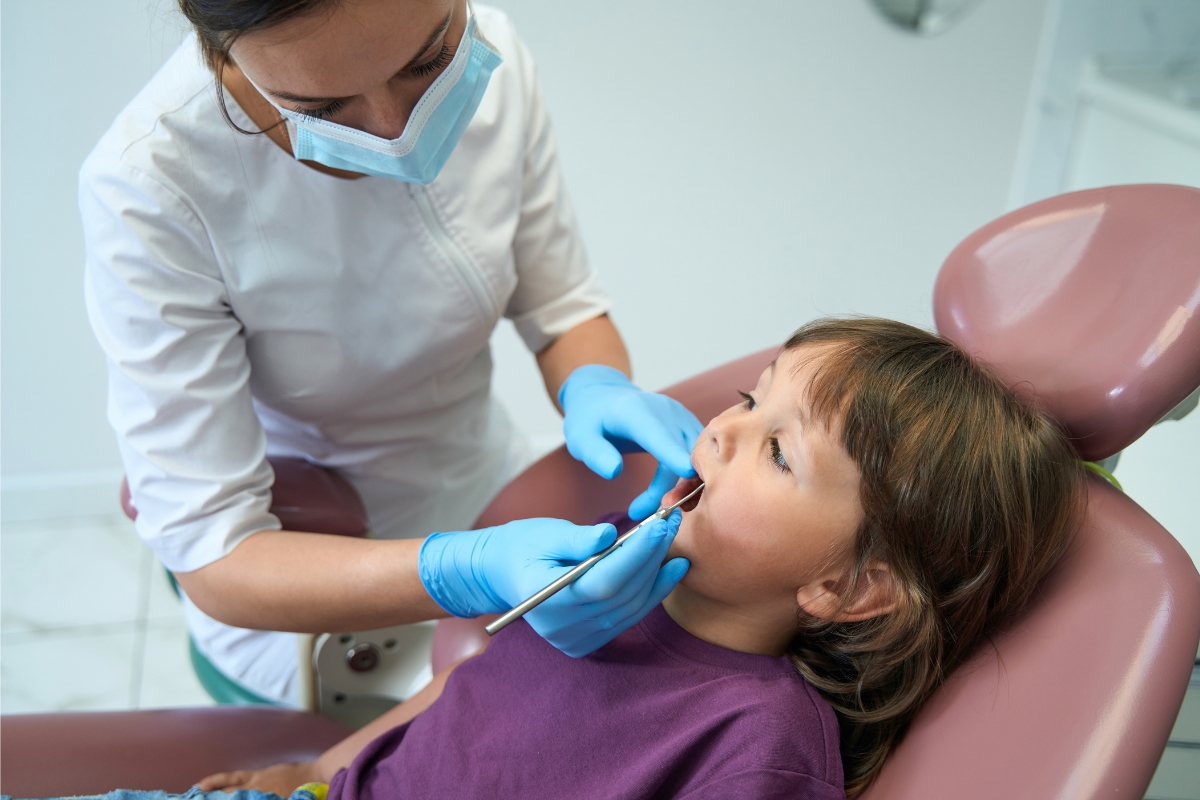
Even children who brush well can develop cavities or other dental concerns. Regular examinations allow a dental professional to look for problems that may not be noticeable at home.
For parents looking for a Wylie pediatric dentist, preventive visits can also be a chance to ask questions about your child’s brushing habits, fluoride exposure, diet, developing teeth, and cavity risk.
Dental sealants may also be recommended for some children. According to the CDC, children ages 6 to 11 without sealants have nearly three times more cavities in their first permanent molars than children who have sealants.
That makes preventive care more than just a routine appointment. It can help address potential problems before they become bigger concerns.
A Simple Daily Routine for Stronger Enamel
Protecting enamel doesn’t require a complicated schedule.
Morning: Brush with fluoride toothpaste and eat a balanced breakfast.
During the day: Offer water regularly and keep sugary drinks occasional.
Snack time: Choose nutritious snacks and avoid constant grazing.
Evening: Brush thoroughly before bed and clean between teeth when appropriate.
Throughout the year: Keep regular dental appointments and discuss any changes you notice.
The goal isn’t to create perfect habits overnight. It is to help your child build routines that become second nature.
Give Your Child’s Enamel a Healthy Start
Strong enamel isn’t created by one perfect brushing session. It comes from the small things your family does repeatedly: brushing with fluoride toothpaste, choosing water, limiting frequent sugar and acid exposure, and keeping up with preventive dental care.
For families in Wylie, TX, these habits can give children a solid foundation for healthy baby teeth and developing permanent teeth. If you’re concerned about your child’s enamel, sensitivity, tooth color, or cavity risk, a pediatric dental visit can help you understand what your child needs.
Schedule an Appointment with Angel Smile Pediatric Dentistry and take the next step toward maintaining your child’s healthy smile.
FAQs About Children’s Tooth Enamel
Can children’s tooth enamel become stronger?
Yes. Fluoride and saliva can support the natural remineralization of early enamel mineral loss. However, once a cavity has formed, it cannot be reversed simply through brushing and needs professional treatment.
What causes enamel erosion in children?
Frequent exposure to acidic drinks and foods can contribute to enamel erosion in children. Other factors may also play a role, so persistent sensitivity or visible enamel changes should be evaluated by a dental professional.
Is fluoride toothpaste safe for children?
Fluoride toothpaste is recommended for children in age-appropriate amounts. Younger children should be supervised to reduce the chance of swallowing excessive toothpaste.
Are baby teeth worth protecting?
Absolutely. Baby teeth help children chew and speak and help maintain space for permanent teeth. Cavities in primary teeth can also cause pain and interfere with everyday activities if left untreated.
When should children start seeing a dentist?
The ADA recommends establishing a dental home early in childhood. Starting preventive visits early allows parents to receive guidance while children’s teeth and oral habits are still developing.