


By Angel Smile Pediatric Dentistry
September, 2026
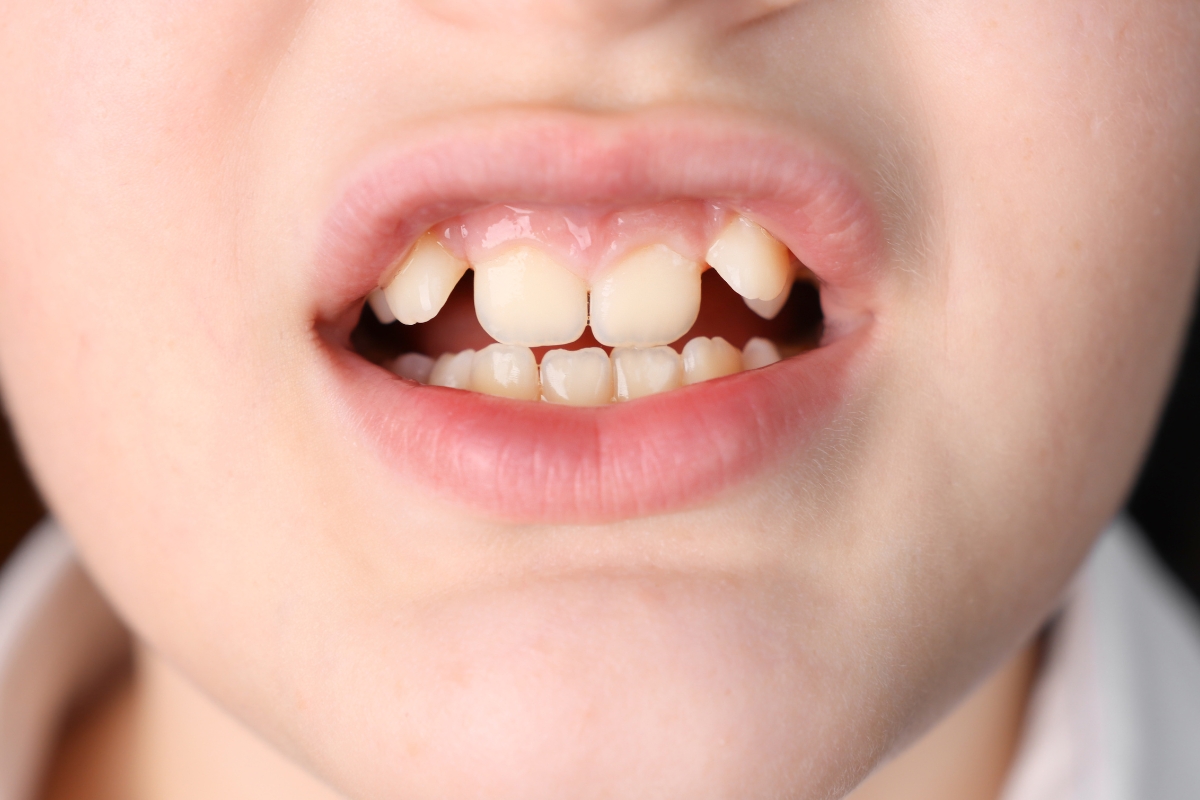
Finding a tooth growing in upper gums of child can be surprising, especially when it looks like the tooth is coming through higher than expected. You might notice a small white spot above the usual gum line and wonder if the tooth is stuck or developing incorrectly.
In many cases, an unusual-looking tooth is simply going through a normal stage of eruption. Still, the position of a developing tooth can sometimes point to crowding or another dental concern. Knowing what to look for can help you decide when it is best to have your child’s smile checked.
Why Is My Child’s Tooth Growing in the Upper Gums?
Children’s teeth erupt gradually, and they do not all follow the same timetable. As permanent teeth develop beneath the gums, they slowly move toward their final positions.
The upper front teeth, for example, usually appear during the early school years. Based on American Dental Association eruption charts, permanent upper central incisors generally erupt around ages 7 to 8, while upper lateral incisors commonly appear around ages 8 to 9. Upper canines tend to arrive later, usually around ages 11 to 12.
These ages are general ranges, not strict rules. A tooth appearing slightly higher during this process does not automatically mean something is wrong.
However, if the tooth remains noticeably out of position or seems unable to move into the dental arch, a pediatric dental evaluation can help determine what is happening.
What Does a Tooth Coming in Above the Gum Line Mean?
A tooth coming in above the gum line may happen for several reasons.
The tooth is still erupting
Sometimes, the tooth simply has not finished moving into position. You may see only part of the crown, making it look higher than the surrounding teeth.
As eruption continues, its position may become more typical.
There may not be enough room
Crowding can affect the path a permanent tooth takes as it emerges. If neighboring teeth are already occupying the available space, a developing tooth may appear farther forward, backward, or higher on the gum.
This is one reason it is useful to have your child’s teeth monitored as permanent teeth begin replacing baby teeth.
The tooth may be following an unusual path
A child tooth growing in gums can occasionally take a different eruption path. The cause can vary from one child to another, so it is difficult to determine the reason simply by looking at the tooth.
A pediatric dentist can examine the area and, when necessary, use dental X-rays to see how the developing tooth is positioned beneath the gums.
What Should Parents Do?
If you notice an unusual tooth, there is no need to panic. Start with a few simple steps.
Keep brushing normally
Continue your child’s regular brushing routine. A newly erupted tooth needs the same daily care as the other teeth.
Use a soft-bristled toothbrush and fluoride toothpaste appropriate for your child’s age. Supervise brushing when your child still needs help cleaning thoroughly.
Keep an eye on the area
Take note of whether the tooth changes position as time passes. You should also watch for persistent swelling, tenderness, bleeding, or difficulty eating.
A little gum sensitivity can happen while a tooth is erupting. Ongoing or worsening symptoms deserve closer attention.
Don’t push or pull the tooth
It may be tempting to press on a tooth that looks out of place. Avoid doing this. Trying to move an erupting tooth at home can irritate the surrounding gum and does not address the reason for its position.
Instead, let a dental professional determine whether the tooth simply needs more time or should be monitored.
When Should a Pediatric Dentist Check It?
You do not necessarily need to worry about every tooth that appears slightly higher than its neighbors. However, making an appointment is a good idea if the tooth looks significantly displaced, another tooth appears blocked, or its position does not seem to improve.
An evaluation can also provide reassurance when you are simply unsure about what you are seeing.
For families in Wylie, TX, Angel Smile Pediatric Dentistry can help monitor children’s smiles as their baby teeth give way to permanent teeth. Regular pediatric dental visits make it easier to spot changes in child dental development and address concerns at an appropriate stage.
If you have been searching for a pediatric dentist near me, consider choosing a practice that regularly treats children and understands how teeth change throughout childhood.
What Happens During the Visit?
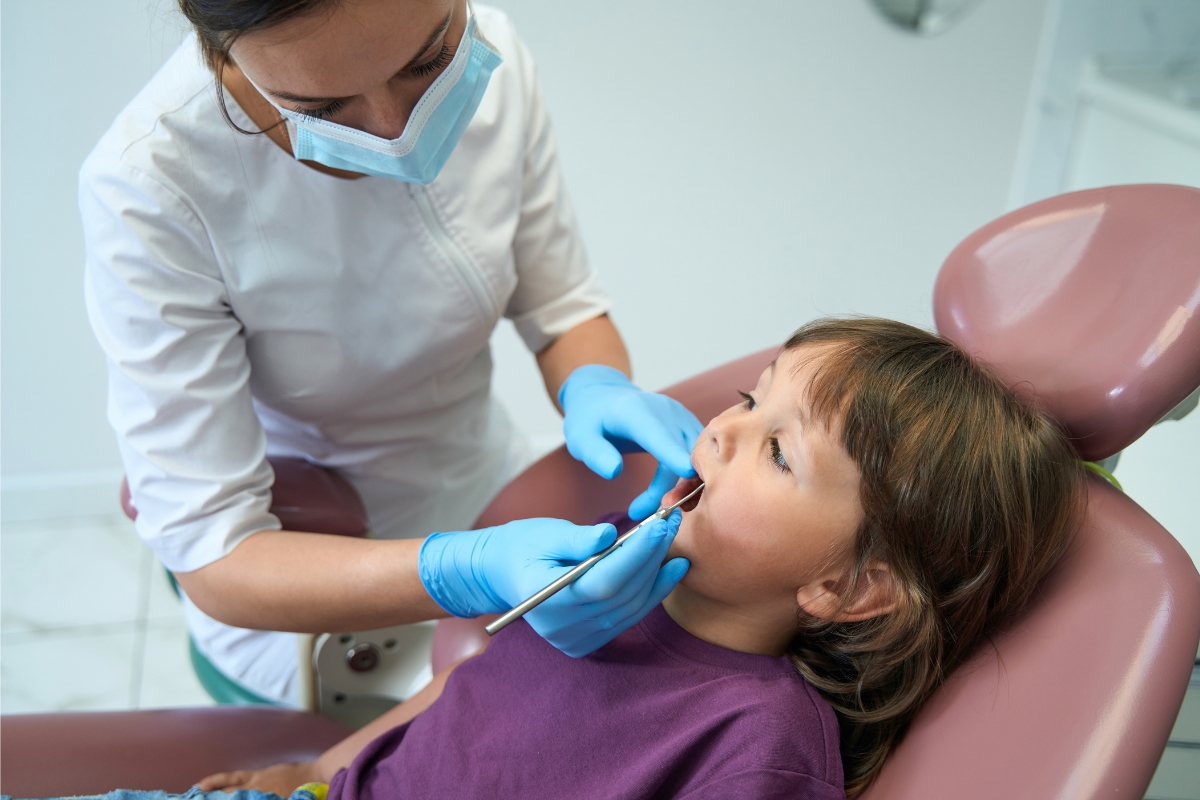
A pediatric dentist will first examine your child’s teeth and gums and look at how the teeth are coming together when your child bites.
You may be asked when you first noticed the tooth and whether a baby tooth recently fell out in that area.
If the tooth’s position is difficult to judge from the outside, an X-ray may be recommended. An image can show where the developing tooth is located and whether nearby teeth are affecting its path.
Importantly, an unusual eruption does not always mean your child needs treatment. Sometimes the best plan is simply to watch the tooth as it continues developing.
Understanding Tooth Eruption in Children
Tooth eruption happens over several years, and there is considerable normal variation between children.
For example, permanent upper central incisors commonly erupt around ages 7 to 8, while upper lateral incisors often appear around ages 8 to 9. Upper canines generally arrive around ages 11 to 12.
These ranges help dentists assess a child’s development, but they should not be treated as exact deadlines. Family patterns, available space, and individual development can all influence when teeth appear.
The position of the tooth matters just as much as its timing.
Helping Your Child Through This Stage
A tooth that appears in an unexpected spot can make any parent concerned, but there are several possible explanations, and many are manageable when identified early. Keep brushing, avoid interfering with the tooth, and pay attention to changes in its appearance.
If you are concerned about a tooth erupting through upper gums, a pediatric dental examination can give you a clearer answer than trying to judge the tooth’s position at home. For families in Wylie, TX, regular dental visits can also help track upper gum tooth eruption in children as their smiles change.
When you are unsure about a new tooth, getting it checked can provide both guidance and peace of mind.
Schedule an appointment with Angel Smile Pediatric Dentistry to have your child’s developing smile evaluated.
Frequently Asked Questions
Is it normal for a child’s tooth to grow high in the gum?
It can be part of normal eruption, particularly when the tooth has only recently started appearing. If it stays noticeably out of position, a pediatric dentist should take a look.
Why is my child’s permanent tooth coming in above the gum line?
The tooth may still be moving into place. Crowding or an unusual eruption path can also affect its position.
Should I push the tooth into place?
No. Avoid putting pressure on an erupting tooth. Have it evaluated instead.
Does an unusual tooth position always require treatment?
No. Some teeth settle into a better position naturally as they continue erupting. Others may need monitoring or treatment depending on the circumstances.
When should I have my child’s tooth checked?
Consider an evaluation if the tooth looks significantly out of place, another tooth seems blocked, or your child has persistent discomfort or swelling.