

By Angel Smile Pediatric Dentistry
October, 2025
As a parent, you do everything you can to protect your child’s smile. You brush with them, remind them to floss, and try to limit sugary snacks even when it feels impossible. Still, you may notice spots on their back teeth that worry you—or you may just want to get ahead of future problems. That’s usually when many parents start wondering about dental sealants. Are these protective coatings actually safe? And are they worth it?
If you’re asking these questions, you’re not alone. Families across the U.S. look for straightforward answers about dental sealants for kids, and this guide breaks it all down in a calm, practical way.
What Exactly Are Dental Sealants?
Dental sealants are thin, protective coatings placed on the chewing surfaces of molars. These back teeth are where most cavities start because their small grooves trap food and bacteria. Sealants act as a physical barrier, keeping debris and germs out to support long-term cavity prevention.
They are commonly recommended by pediatric dentists, because they help reduce early decay during a child’s most cavity-prone years.
Are Dental Sealants Safe for Kids?
Yes—sealants have been used for decades and are considered safe for children. The material bonds to tooth enamel without drilling or removing any structure. This makes them gentle, non-invasive, and appropriate even for kids who feel anxious during dental visits.
Some parents ask about concerns related to BPA. Current research shows that the amount potentially released is extremely low—far lower than everyday BPA exposure from air, dust, or food packaging. The American Dental Association also supports the use of sealants, noting their overall safety and effectiveness.
Why Sealants Matter: A Look at the Data
If you like making decisions based on real numbers, here is what studies show:
- Children without sealants have nearly three times more cavities in their first molars compared with children who have sealants.
- Sealants can reduce the risk of cavities on treated teeth by up to 80% during the first two years, and by about 50% for up to four years.
- The CDC reports that sealants are one of the most cost-effective tools for tooth decay prevention in children.
This means sealants don’t simply help—they make a measurable difference. For families trying to limit future dental treatment, especially fillings, this matters a lot.
How the Sealant Process Works
Step 1: Cleaning the tooth
The pediatric team gently cleans the tooth to ensure no food debris or bacteria remain.
Step 2: Preparing the surface
A mild gel is applied for a few seconds to help the coating bond fully.
Step 3: Applying the sealant
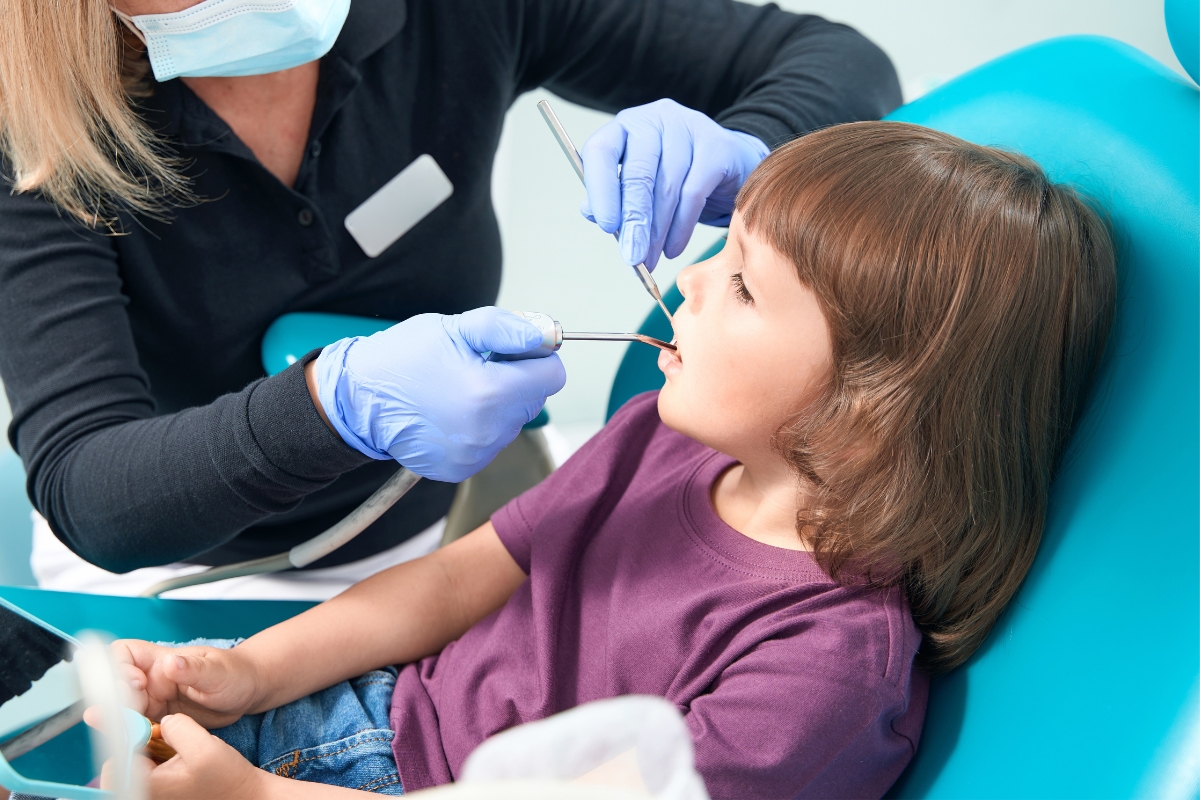
The pediatric dentist paints the sealant material onto the surface, allowing it to flow into the grooves.
Step 4: Curing the material
A small blue light hardens the material in seconds.
Step 5: Final check
Bite is checked, and kids can eat right afterward.
The entire visit is quick—often under 20 minutes per tooth—and pain-free. Families who visit a Wylie pediatric dentist often say their child is surprised at how simple it feels.
Do Sealants Last?
Sealants typically last two to four years, though many stay in place even longer with good habits. They can be replaced if they wear down, chip, or loosen.
Every routine checkup gives the provider a chance to confirm that the protective layer is still intact.
Are There Any Risks?
Sealants have minimal risks when applied by a trained professional. Possible but uncommon issues include:
- Breakdown or wear over time
- Unintentional trapping of food particles (rare with proper prep)
- Small chips that need repair
Most of these concerns are easy to resolve during routine dental visits.
When Should Kids Get Sealants?
Sealants are often recommended as soon as the first permanent molars come in—usually around age 6. Second molars, which appear around age 12, can also benefit.
If your child has deep grooves in their baby teeth, some pediatric dentists recommend sealing those as well. This varies based on a child’s needs and their likelihood of early decay.
Sealants and Cavity Prevention Work Together
Sealants are not a replacement for brushing, flossing, drinking water, or routine checkups. Instead, they work alongside these habits. By sealing the most vulnerable areas, they reduce the chance of early decay and make oral hygiene simpler for kids still learning proper technique.
If your child struggles with brushing or has signs of early spots on their molars, talking with a Wylie pediatric dentist can help you understand the best approach.
Frequently Asked Questions
Do dental sealants hurt?
No. Kids typically feel nothing during the process.
How long do they take to apply?
Most sealants take only minutes per tooth.
Can sealants fall off?
They can wear down over time, but they can be repaired easily.
Are sealants covered by insurance?
Many plans cover sealants for children. Check with your provider.
Do adults get sealants too?
They can, but sealants are most common for children and teens due to higher cavity risk.
Final Thoughts: Are Sealants Worth It?
For many families, sealants offer peace of mind. They’re safe, backed by decades of research, and effective at lowering cavity risk. For growing kids who might not brush their molars as thoroughly as they should, these protective coatings can help them maintain a healthier smile long-term.
If you’d like to talk with a pediatric dentist, or simply want advice tailored to your child’s needs, this is a good time to schedule an appointment and learn what options fit your family best.
Related Articles