


By Angel Smile Pediatric Dentistry
December, 2025
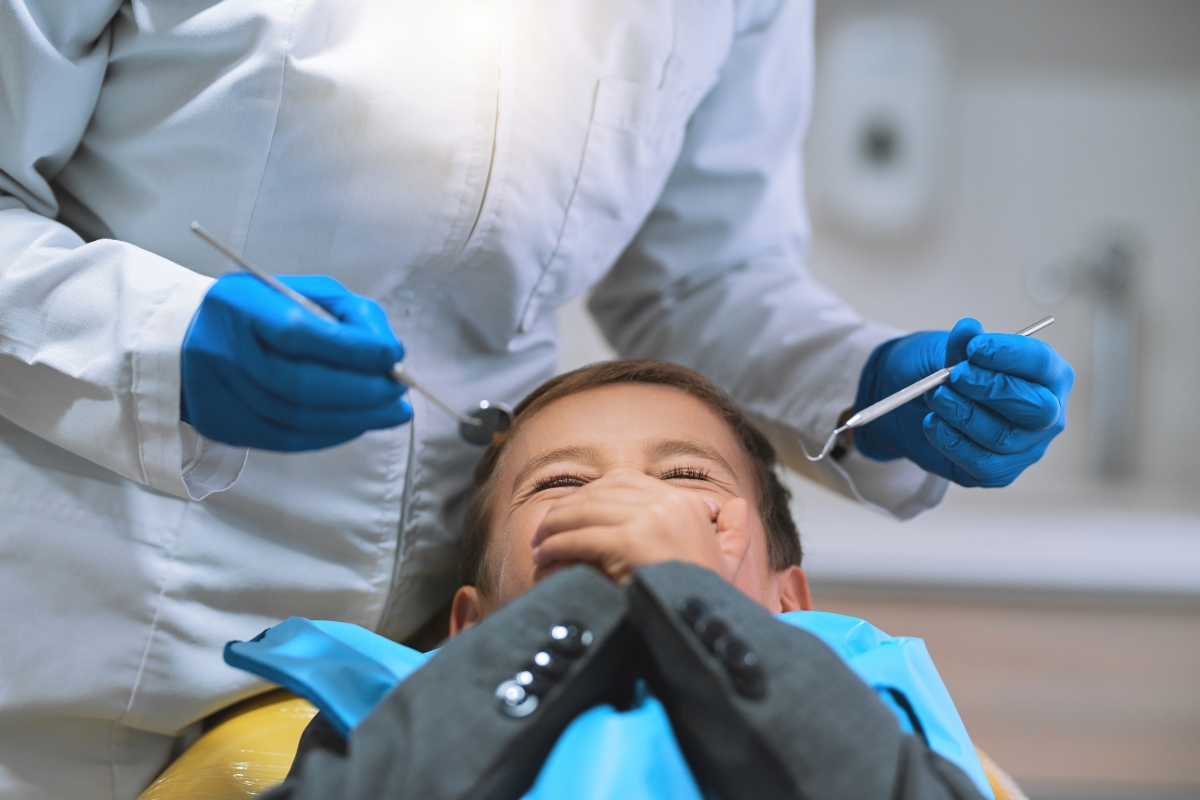
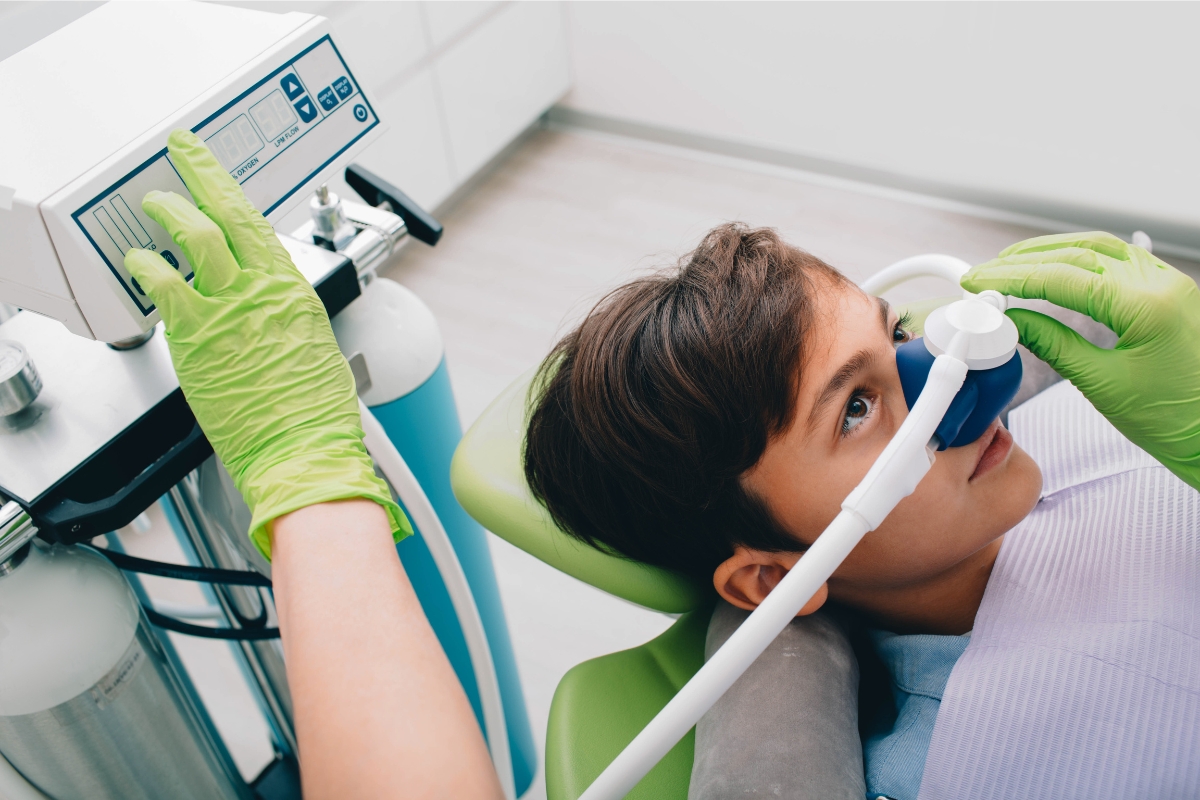
Dental visits can sometimes feel overwhelming for kids, especially when anxiety, fear of sounds, or difficulty sitting still makes treatment stressful. For many families in Wylie, sedation dentistry becomes a supportive option that helps children stay calm and comfortable during necessary procedures. Naturally, parents want to understand how sedation works, whether there may be long-term effects, and what safety steps professionals follow to protect their child’s wellbeing. These conversations often begin with a trusted children sedation dentist, who can guide families through risks, benefits, and recovery expectations in a caring, reassuring way.
Most current research suggests that pediatric dental sedation is generally safe when provided by trained professionals who follow monitoring guidelines, age-appropriate dosing, and medical screening protocols. Even so, it is reasonable for parents to ask questions about the side effects of dental sedation, how long recovery may last, and whether there are any lasting concerns to keep in mind.
How Sedation Dentistry Helps Children During Dental Care
Sedation is most often used to reduce anxiety, improve cooperation, and help create a more positive care experience. It may be considered for children who experience high fear, sensory sensitivities, previous traumatic dental visits, or treatment that requires sitting still for a longer period. Families who visit a children sedation dentist in Wylie often share that their goal is not only comfort, but also emotional wellbeing, so future appointments feel less stressful over time.
When parents ask about the risks of sedation, one of the key points providers explain is that most effects tend to be short-term. These may include sleepiness, temporary unsteadiness, or mild nausea as the medicine wears off. Understanding what is routine versus what needs attention helps parents feel prepared and confident during recovery.
Are There Long-Term Side Effects of Sedation in Children?
What Research and Clinical Experience Show
Available pediatric dental studies indicate that long-term complications are rare when sedation is administered safely and appropriately. The majority of reported experiences involve short-term after-effects kids may notice, such as:
- Drowsiness for several hours
- Mild irritability or confusion during recovery
- Headache or nausea in some cases
- Temporary trouble with balance or coordination
These effects typically resolve the same day or by the next morning. At this time, there is no strong evidence linking standard dental sedation to permanent developmental or cognitive changes when used responsibly and only when necessary.
Safety Considerations Parents Often Ask About
Why Training, Screening, and Monitoring Matter
A large part of sedation safety depends on the process surrounding it. A qualified provider will:
- Review medical history, medications, and allergies
- Consider age, weight, and health conditions before dosing
- Follow monitoring protocols for breathing and heart rate
- Provide oxygen support when needed
- Share clear home-care and recovery instructions
In community-focused areas like Wylie, many practices take a conservative approach, using the lowest effective level of sedation and reserving deeper methods only when appropriate.
Parents also appreciate open communication. When questions arise, it helps to schedule an evaluation so concerns can be addressed in person, and decisions are made together based on the child’s needs.
Local Perspective: Sedation Dentistry for Kids in Wylie
Families in Wylie often balance school routines, sports, church activities, and busy family schedules. When a child feels anxious during appointments, even routine care can become challenging. Sedation can help reduce emotional strain and support a calmer experience — which can make dental visits more manageable over time.
Many parents searching for a pediatric dentist near me value offices that focus on kindness, patience, and behavioral comfort strategies first. Sedation is typically viewed as a supportive tool, not a replacement for communication or gradual confidence-building.
Short-Term vs. Long-Term Effects: A Data-Style Interpretation
Observations across pediatric dental care settings generally show that:
- Short-term effects are relatively common but brief
- Moderate after-effects, such as nausea or prolonged drowsiness, occur less frequently and are usually manageable
- Serious complications are uncommon when safety protocols are followed
- Long-term effects are rarely reported in follow-up cases and are not considered typical outcomes
This interpretation reinforces that safety outcomes depend heavily on monitoring, experience, and appropriate case selection, rather than sedation itself.
Helping Your Child Recover Comfortably at Home
Supportive After-Care Tips for Parents
- Encourage quiet rest for the remainder of the day
- Offer soft foods and small sips of water
- Provide support when walking until balance returns
- Avoid rough play or physical activity
- Keep an eye on alertness and breathing
- Call your provider if something seems unusual
Most children return to normal routines by the next day. If questions arise afterward, families are encouraged to speak with their dentist to discuss the experience and plan for future visits.
When Should Parents Seek Follow-Up Care?
Although uncommon, contact your provider promptly if your child experiences:
- Breathing difficulty
- Persistent vomiting
- Worsening confusion or unusual behavior
- Symptoms that last longer than expected
Early communication helps ensure safe recovery and peace of mind.
Frequently Asked Questions
Is dental sedation safe for most children?
Yes. When administered by trained professionals who follow monitoring and screening protocols, sedation is generally considered safe for pediatric patients.
What are the most common side effects of dental sedation?
The most common side effects of dental sedation include drowsiness, nausea, balance changes, or irritability while the medicine wears off.
Can repeated sedation cause long-term problems?
Sedation is usually recommended only when necessary. Providers evaluate frequency carefully to minimize risks of sedation and support overall wellbeing.
How do I know if my child truly needs sedation?
The decision is based on anxiety level, treatment type, behavior needs, and available alternatives. Your provider will discuss options before moving forward.
A Reassuring Path for Families in Wylie
For most children, sedation dentistry serves as a temporary support that helps create calmer, more comfortable dental visits — not a source of long-term concern. With experienced providers, careful screening, and thoughtful communication, parents can feel confident that safety remains the priority.
If you’d like to talk with a care team about your child’s needs or discuss whether sedation feels appropriate, you’re always welcome to reach out and schedule an appointment as part of a supportive conversation about their comfort and care.