



By Angel Smile Pediatric Dentistry
October, 2025
When something feels “off” with your child’s tooth—sudden sensitivity, pain while chewing, or swelling near the gums—it’s natural to feel a knot in your stomach. Dental issues in children often catch parents by surprise, especially when a young child complains of tooth pain that doesn’t seem to ease up. In Wylie and surrounding communities, many families face this same concern and often ask a question that seems overwhelming at first: Can children get root canals?
The short answer is yes, but the long answer is more reassuring than many parents expect. Children’s dental treatments are designed with comfort, growth, and long-term oral health in mind. Understanding how these treatments work can give families in Wylie the clarity and confidence they need to make informed choices.
What Is a Child Root Canal?
Before getting into whether children need them, it helps to understand what this treatment really involves. A child root canal—often referred to as pulp therapy or child endodontics—is a procedure used to save a tooth that has deep decay or infection within the pulp. The pulp is the inner soft tissue of a tooth containing nerves and blood vessels.
A root canal for adults removes all pulp, but in children, the approach can differ depending on how much of the pulp is infected and whether the tooth is a baby tooth or permanent tooth.
Treatments may include:
- Pulpotomy: Removing only the infected portion of pulp.
- Pulpectomy: Removing all pulp tissue in a baby tooth.
- Full root canal: Typically for permanent teeth.
These procedures help relieve pain, address infection, and protect the tooth until natural shedding or full development.
Why Children Sometimes Need Root Canals
Many parents looking for root canals for children Wylie want to understand why this treatment is sometimes necessary. While prevention is always the first goal, certain dental issues require action to protect your child’s future oral health.
Common reasons include:
- Deep decay reaching the tooth’s nerve
- Trauma from falls, sports, or injury
- Infection causing swelling or persistent pain
- Sensitivity to hot or cold lasting longer than a few seconds
- Visible darkening or discoloration of a tooth
According to data published by national dental health sources, early childhood caries remains one of the most common chronic conditions among children in the U.S. Over 40% of children experience some level of tooth decay by age 11, which explains why treatments like pulp therapy are sometimes needed to maintain healthy growth patterns.
The Importance of Saving Baby Teeth
Parents may wonder why a baby tooth would require such a detailed treatment if it’s eventually going to fall out. The answer involves function, development, and long-term oral health.
Why saving baby teeth matters:
- Baby teeth guide permanent teeth into proper alignment
- They support speech and chewing
- Premature loss increases the risk of crowding
- Holding space prevents shifting of surrounding teeth
- Protects jaw development
Saving baby teeth isn’t only about maintaining a child’s smile; it plays a role in proper dental development. When a baby tooth is removed too early, it can cause spacing and bite issues that may require orthodontic treatment later.
What Parents in Wylie Should Know About Child Root Canals
Families looking for pediatric dentistry options want care that is gentle, reassuring, and rooted in evidence-based practice. Many parents in the community specifically look for pediatric dentistry Wylie TX to ensure their child is treated by professionals trained in child-focused dental care.
Local Insight: Why Treatment Matters Here
Wylie’s growing neighborhoods and school communities mean many children are active in sports, play outdoors often, and may experience tooth injuries or decay at similar rates as national averages. Access to child-friendly care helps address these concerns early.
What to Expect During the Procedure
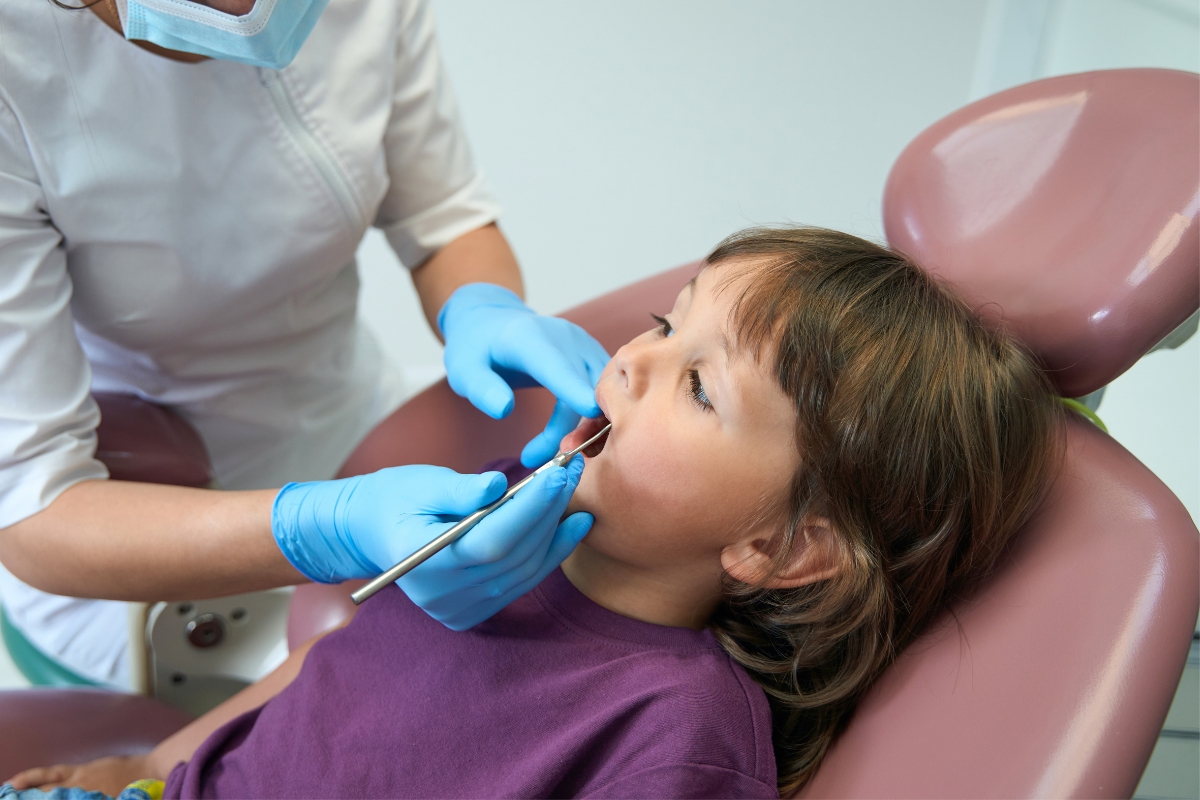
Knowing what happens during treatment can help ease a child’s (and parent’s) worries.
Step-by-step overview:
- Exam & X-rays
The dentist assesses the extent of decay or infection. - Numbing the tooth
Local anesthesia helps ensure comfort. - Removing infected pulp
Using gentle techniques appropriate for children. - Disinfecting the tooth
Helps stop the spread of infection. - Filling the space
A child-safe material is placed inside. - Placing a crown
Stainless steel crowns are common for durability.
Most appointments are completed in one visit, though complex cases may require follow-ups.
How to Tell If Your Child Might Need This Treatment
Look for signs such as:
- Night-time tooth pain
- Swelling around a tooth
- Sensitivity to sweets
- A gum bump near the tooth
- A tooth that has turned gray or brown
- Pain when biting or chewing
If your child shows any of these symptoms, infection treatment may be needed to prevent complications.
Is a Root Canal Safe for Children?
Yes. Child endodontic treatments have been used for decades and are supported by the American Dental Association as a safe and effective way to address infection and preserve tooth health.
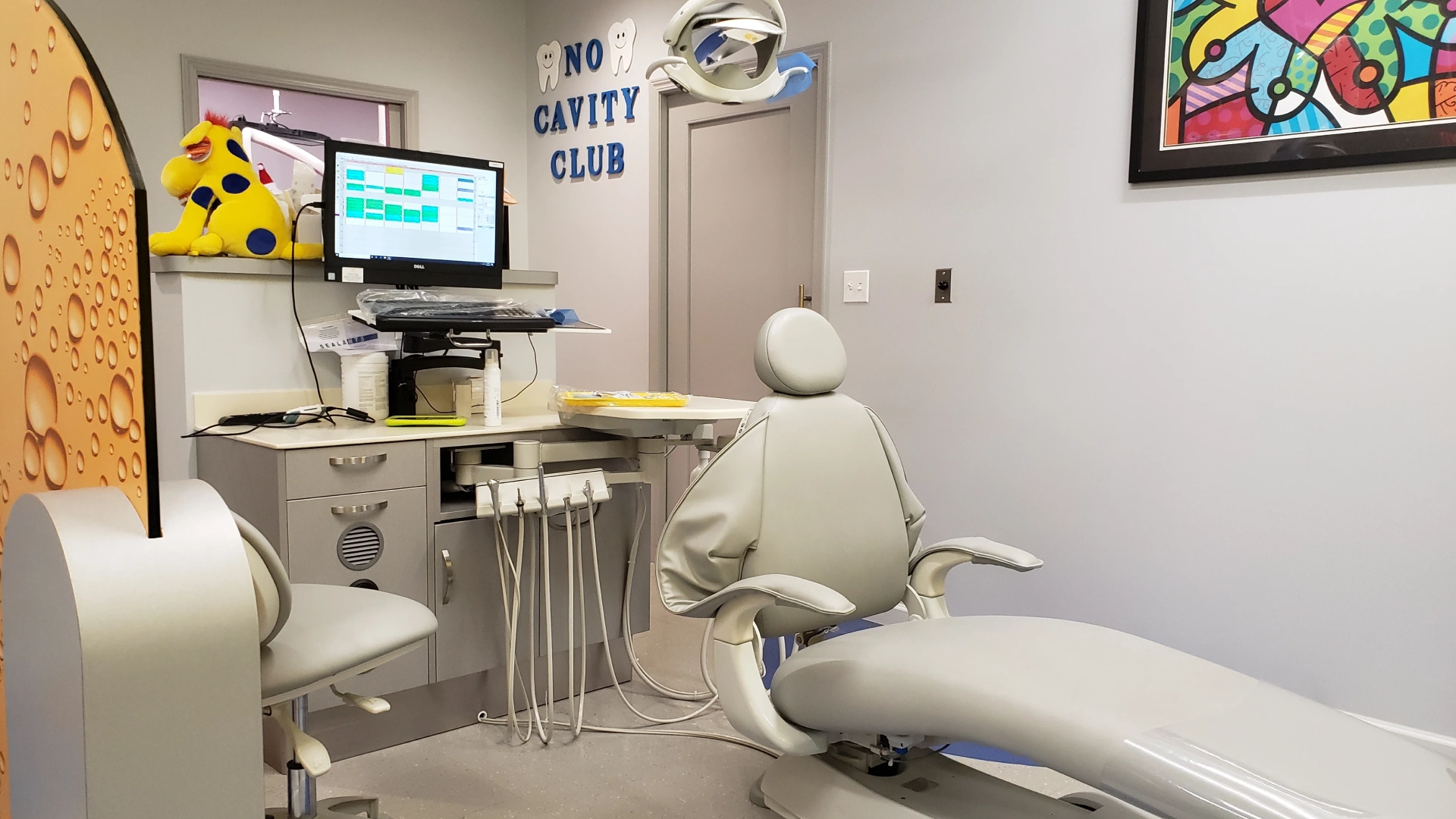
Dentists trained in child care use calming techniques, gentle approaches, and modern tools to make the process smooth and efficient.
FAQs About Child Root Canals
Do root canals on baby teeth hurt?
Children receive local anesthesia, so they should feel minimal discomfort during treatment. Most report relief afterward since pain from infection is removed.
How long does the procedure take?
Typically 30–60 minutes depending on the tooth and whether a pulpotomy or pulpectomy is needed.
Are crowns always required after treatment?
In most cases, yes. A crown protects the weakened tooth structure and helps maintain function.
What if my child loses the baby tooth soon after?
Even preserving the tooth a bit longer can help maintain spacing for permanent teeth.
How long do treated teeth last?
They typically remain healthy until natural exfoliation.
Final Thoughts and Gentle Next Step
If your child is showing signs of tooth pain, sensitivity, or swelling, early evaluation is the best way to prevent complications. Understanding when a child may need pulp therapy or infection treatment can help parents feel more comfortable making decisions that support healthy growth. Families looking for care in the Texas area often rely on pediatric dentistry Wylie to guide treatment options and provide a reassuring environment for young patients.
If you’re concerned about your child’s dental symptoms or want guidance on whether treatment may be needed, now is a good time to schedule an appointment so your child can be evaluated with care and comfort in mind.
Related Articles