


By Angel Smile Pediatric Dentistry
August, 2026
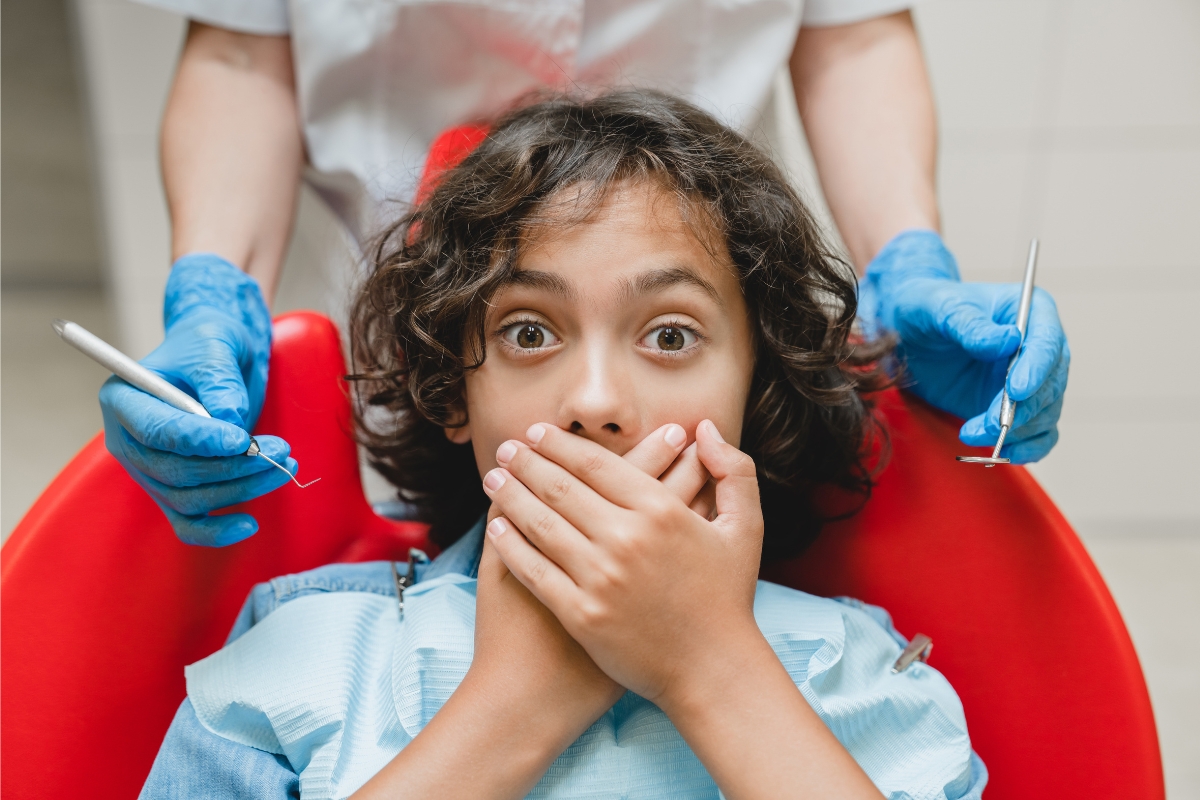
Getting a child to brush their teeth should not feel like negotiating a peace treaty every morning. Yet, for some parents, a toothbrush is enough to trigger tears, complaints, or a sudden need to do anything else. If your child gets nervous about dental care, even small tasks like brushing and flossing can become difficult.
Dental care for anxious children starts with understanding what makes these moments uncomfortable. Your child might dislike the taste of toothpaste, feel uneasy about someone examining their mouth, or remember a previous experience that frightened them. Whatever the reason, you can help them develop healthier habits without making every day a struggle.
For families in Wylie, TX, the time between dental appointments offers an opportunity to build confidence at home. A few thoughtful changes can make oral care feel more familiar and help your child approach future visits with less worry.
Understand What Makes Your Child Uncomfortable
Before changing your child’s routine, pay attention to what causes the resistance. Does your child pull away when the toothbrush touches their gums? Do they worry about swallowing toothpaste? Or does their mood change as soon as you mention the dentist?
These reactions can provide useful clues. Some children dislike strong toothpaste flavors, while others feel overwhelmed by unfamiliar sensations. Children who have experienced dental discomfort may also connect brushing or appointments with something unpleasant.
Instead of saying, “You never want to brush your teeth,” try asking, “What part of brushing feels difficult?” Give your child time to answer, even if they struggle to explain their feelings.
Understanding the problem helps you choose a realistic solution rather than repeating an approach that already causes frustration.
Make Daily Oral Care Easier at Home
Let Your Child Help Choose the Routine
Children often respond better when they have some control over what happens. Take your child shopping for a soft-bristled toothbrush, or let them choose between two suitable toothpaste flavors.
You can also let them decide whether to brush before changing into pajamas or afterward. The important part is keeping brushing itself non-negotiable while allowing flexibility around the routine.
For children who dislike the feeling of brushing, start by letting them hold the toothbrush and explore its texture. Gradually introduce brushing rather than expecting them to accept every step immediately.
Replace Arguments With Small Goals
A child who resists brushing for two minutes may find the task overwhelming before it even begins. Break the process into smaller steps: brushing the front teeth, moving to the sides, and then cleaning the back teeth.
Use a familiar song or a two-minute timer to make the routine easier to follow. You can also brush alongside your child so they can copy your movements.
Aim for brushing twice a day, gradually working toward two minutes each time. Children often need an adult’s help to clean their teeth thoroughly, especially during the early school years.
These practical tips for reducing dental anxiety in children focus on making the experience manageable rather than turning it into a test of obedience.
Make Flossing Less Intimidating
Flossing can feel strange when a child is unfamiliar with the sensation. Explain what you are doing before starting, and avoid rushing the floss between closely spaced teeth.
If your child feels nervous, demonstrate the movement on a model or show them how you floss your own teeth. A child-friendly floss pick may also help, provided an adult supervises its use.
Do not force flossing when your child is extremely upset. Pause, explain the next step, and try again when they feel calmer. If you are unsure how to clean between your child’s teeth comfortably, ask the dental team to demonstrate the technique.
Notice Effort, Not Just Results
Children need encouragement, but praise works best when it feels genuine. Instead of promising a reward every time they brush, acknowledge a specific effort: “You kept brushing even when your back teeth felt strange.”
A simple calendar can help your child see their progress. Celebrate consistency with a favorite bedtime story, choosing the family game, or another activity that does not involve sugary treats.
Avoid teasing, comparing your child with siblings, or making them feel guilty about being afraid. Confidence grows more easily when children feel supported rather than judged.
Prepare for Dental Visits Without Creating More Worry
Children sometimes become anxious days before an appointment. Repeatedly reminding them about the visit can unintentionally make it seem like something they should fear.
Instead, explain the appointment in ordinary language. Tell your child that the dental team will check their teeth and help keep them healthy. Be honest, and avoid promising that they will never feel discomfort.
At home, you can play dentist for a few minutes. Let your child count the teeth of a stuffed animal, practice opening their mouth in front of a mirror, or take turns pretending to examine each other’s teeth.
These activities introduce familiar steps without the pressure of an actual appointment. They also give your child a chance to ask questions.
When booking a visit, tell the pediatric dental team what worries your child. Ask whether the team can explain procedures before beginning, offer breaks, and help your child communicate when they need a pause.
Protect Your Child’s Teeth Between Checkups
Good oral health involves more than brushing. Offer water throughout the day, serve balanced meals, and avoid allowing sugary snacks or drinks to become constant companions.
Frequent sugar exposure gives bacteria in the mouth repeated opportunities to produce acids that weaken tooth enamel. Keeping sweet foods and drinks occasional, rather than sipping or snacking on them throughout the day, can help lower cavity risk.
Use fluoride toothpaste in an age-appropriate amount. For children younger than three, a smear about the size of a grain of rice is recommended. Children ages three through six should generally use a pea-sized amount, with adult supervision to encourage spitting rather than swallowing.
These at-home dental care habits can make a real difference, but they do not replace professional examinations. Regular visits help identify early signs of tooth decay and give parents an opportunity to discuss any new concerns.
When Your Child Needs More Help
Sometimes, reassurance and routine changes are not enough. If your child repeatedly refuses oral care, becomes extremely distressed before appointments, or struggles because of a previous difficult experience, discuss the situation with a pediatric dentist.
Pediatric dental anxiety management may involve gradual familiarization, clear explanations, distraction, positive reinforcement, and planned breaks. The right approach depends on the child’s age, needs, and response to treatment.
Do not postpone necessary dental care because your child is afraid. Contact a dental professional promptly if your child develops tooth pain, swelling, or a dental injury. Facial swelling with difficulty breathing or swallowing requires emergency medical attention.
If you are searching for a pediatric dentist near me, look for a practice that listens to parental concerns and takes time to help children feel comfortable. Families in Wylie can speak with Angel Smile Pediatric Dentistry about their child’s concerns and ways to support a calmer dental experience.
Help Your Child Feel More Confident About Dental Care
Your child does not have to love brushing or look forward to every dental appointment right away. What matters is creating experiences that help oral care feel safer and more predictable.
Start with one change, whether that means switching toothpaste, brushing together, or giving your child more time to adjust. Small improvements can build on one another, especially when you respond to setbacks with patience.
If dental worries are making daily care difficult, Angel Smile Pediatric Dentistry can help you discuss practical next steps for your child’s needs.
Schedule an appointment to talk about your child’s dental concerns and create a plan for healthier habits between visits.
Frequently Asked Questions
How can I get my anxious child to brush their teeth?
Find out what your child dislikes, then adjust one part of the routine. Try a softer toothbrush, a milder toothpaste flavor, or brushing together. Keep expectations consistent while allowing your child time to become comfortable.
What should I do if my child cries during brushing?
Stay calm and avoid turning brushing into a confrontation. Check whether the toothbrush hurts, the toothpaste tastes unpleasant, or your child feels overwhelmed. If brushing remains difficult, ask a pediatric dentist for advice.
How can I prepare my child for a dental appointment?
Explain the visit using simple, honest language and practice familiar steps through pretend play. Tell the dental team about your child’s fears so they can discuss suitable ways to make the appointment more comfortable.
Can dental anxiety lead to cavities?
It can contribute to cavity risk when fear causes a child to avoid brushing, resist flossing, or miss dental appointments. Consistent home care, fluoride toothpaste, and regular dental checkups help protect developing teeth.
When should I seek professional help for dental anxiety?
Talk with a pediatric dentist when anxiety regularly interferes with brushing or appointments. Seek prompt dental advice for pain, swelling, or injuries rather than waiting for your child to become less fearful.