

By Angel Smile Pediatric Dentistry
July, 2026
As a parent, nothing is more important than knowing your child is in safe hands. Whether it’s your little one’s very first dental visit or a routine checkup, you want to feel confident that every part of the experience is focused on their health and well-being. One of the biggest factors behind a safe dental visit is infection control.
Children come into contact with germs every day, and because their immune systems are still developing, extra precautions are essential in healthcare settings. That’s why pediatric dental offices follow strict infection prevention protocols designed to keep every child protected throughout their appointment.
From sterilized instruments to spotless treatment rooms, every safety measure plays an important role in creating a healthy environment. Understanding these practices can help parents feel more informed and comfortable when choosing a dental home for their children.
In this blog, we’ll explore five important infection control practices every parent should know and why they matter for your child’s oral health.
Why Infection Control Matters in Pediatric Dentistry
Infection control is much more than simply cleaning equipment after each appointment. It involves a carefully planned system of hygiene, sterilization, and safety procedures that protect every patient who walks through the door. These protocols reduce the risk of bacteria, viruses, and other harmful microorganisms spreading within the dental office.
When visiting a Wylie pediatric dentist, parents should expect these standards to be followed consistently. A commitment to cleanliness doesn’t just protect patients—it also helps create a more comfortable and reassuring experience for families.
Every Dental Instrument Is Properly Sterilized
Dental instruments are used throughout examinations and treatments, making proper sterilization one of the most important infection control practices.
Before reusable instruments are used again, they go through a detailed cleaning and sterilization process. High-temperature steam sterilizers, commonly known as autoclaves, destroy bacteria, viruses, fungi, and other microorganisms that cannot be removed through ordinary cleaning alone.
Each sterilization cycle is monitored carefully to ensure the equipment meets professional safety standards. This process helps ensure that every child is treated with instruments that are completely safe to use.
Disposable Supplies Are Used Only Once
Not every dental item is designed to be reused. Many supplies are intended for a single patient and are safely discarded immediately after the appointment.
Items such as gloves, face masks, saliva ejectors, suction tips, bibs, and drinking cups are replaced with brand-new ones for every child. Using disposable products greatly lowers the chance of germs being transferred from one patient to another.
For parents, this simple practice provides additional reassurance that every appointment begins with fresh, clean materials.
The Dental Team Wears Protective Equipment
You have probably noticed dentists and their staff wearing gloves and masks during appointments, but their protective equipment serves a much bigger purpose than many people realise.
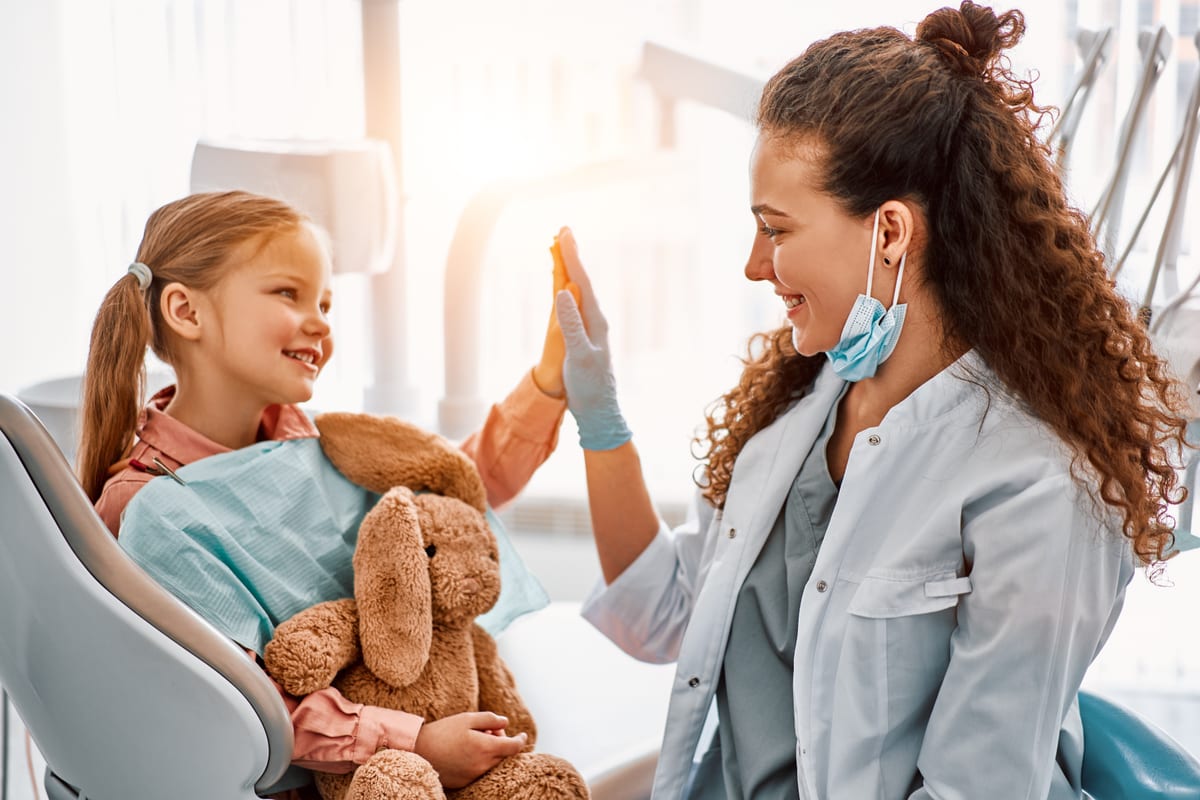
Dental professionals wear gloves, masks, protective eyewear or face shields, and clinical gowns throughout patient care. These protective barriers help reduce the spread of germs while protecting both the dental team and young patients.
Protective equipment is changed regularly and used according to strict safety guidelines, ensuring every child receives care in a hygienic setting.
Treatment Rooms Are Thoroughly Disinfected
Keeping instruments sterile is only one part of maintaining a clean dental office. Every treatment room also receives careful attention between appointments.
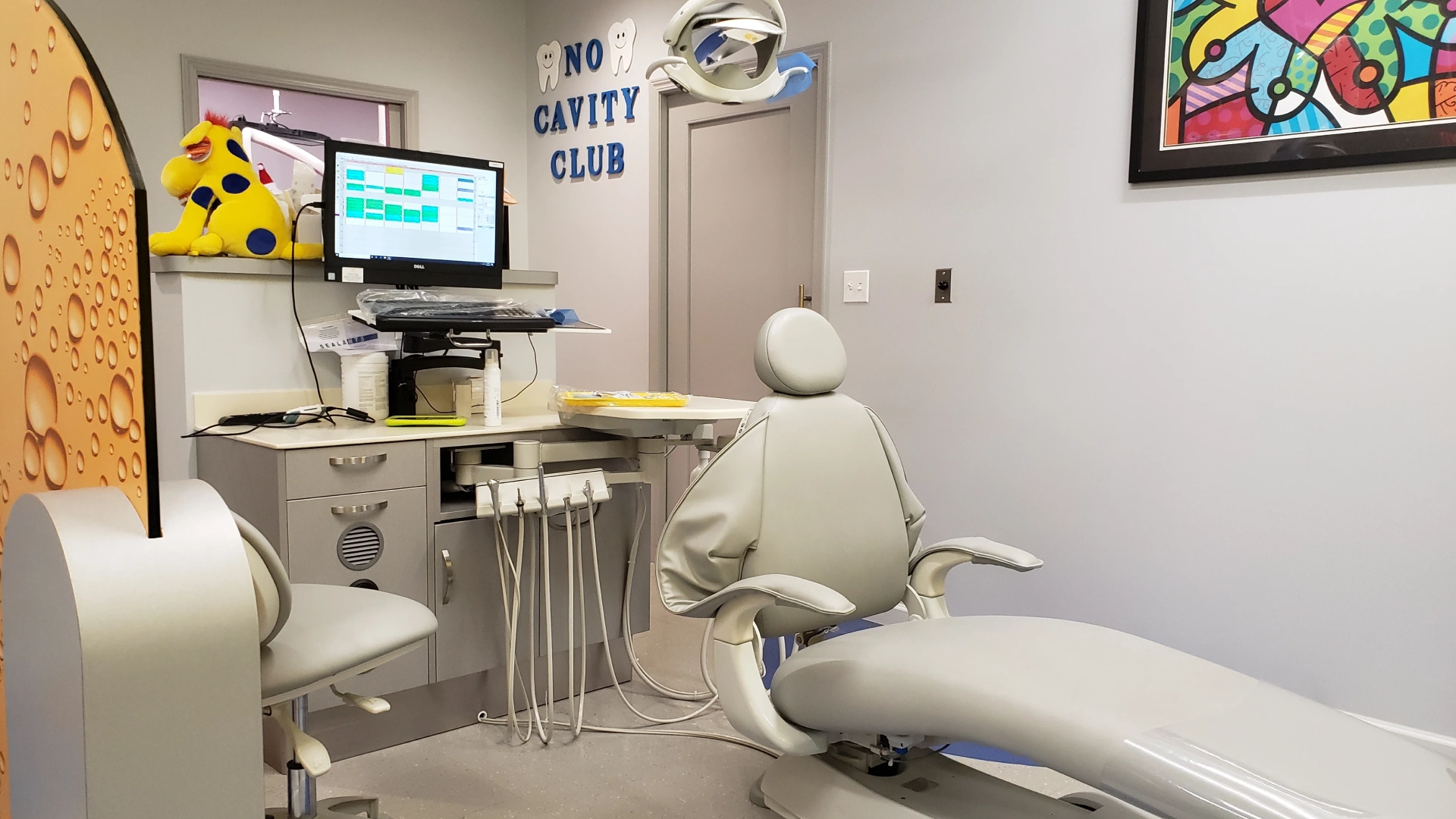
After each patient leaves, commonly touched surfaces—including dental chairs, trays, light handles, countertops, and other equipment—are disinfected using hospital-grade cleaning products. This routine removes germs that may remain on surfaces and prepares the room for the next patient.
Since young children naturally explore their surroundings by touching nearby objects, maintaining a clean treatment area is an important part of protecting their health.
Hand Hygiene Remains a Top Priority
Good hand hygiene is one of the most effective ways to prevent infections in any healthcare environment.
Dentists, hygienists, and dental assistants wash or sanitise their hands before and after every patient interaction, after removing gloves, and whenever they touch potentially contaminated surfaces. These simple but consistent habits help reduce the spread of harmful microorganisms throughout the office.
Many pediatric dental teams also encourage children to develop healthy handwashing habits, helping them understand that good hygiene is just as important at home as it is at the dentist’s office.
A Safe Smile Starts with a Clean Environment
Parents deserve peace of mind every time they bring their child to the dentist. Behind every successful dental visit is a team committed to following strict infection control procedures that protect every patient from start to finish.
At Angel Smile Pediatric Dentistry in Wylie, TX, patient safety is part of everything we do. From advanced sterilization methods and disposable supplies to careful room disinfection and rigorous hygiene protocols, every step is taken with your child’s health in mind. Our goal is to provide a welcoming environment where children receive outstanding dental care while parents feel completely confident in the safety of every visit.
Schedule an appointment with Angel Smile Pediatric Dentistry today and let your child experience safe, gentle, and compassionate dental care in Wylie, TX.
Frequently Asked Questions
Why is infection control so important in pediatric dentistry?
Children’s immune systems are still developing, making them more vulnerable to infections. Strong infection control practices help keep every dental visit safe and reduce the risk of cross-contamination.
How are dental instruments kept safe for every patient?
Reusable dental instruments are cleaned, packaged, and sterilized in specialised autoclaves that use high heat and pressure to eliminate bacteria, viruses, and other harmful microorganisms.
Are disposable dental supplies reused?
No. Disposable items such as gloves, masks, suction tips, saliva ejectors, and bibs are used only once before being safely discarded.
How often are dental treatment rooms disinfected?
Treatment rooms and frequently touched surfaces are disinfected after every patient using hospital-grade cleaning products to maintain a hygienic environment.
What personal protective equipment does the dental team wear?
Dental professionals wear gloves, face masks, protective eyewear or face shields, and protective gowns to help prevent the spread of germs during treatment.
What should parents look for when choosing a pediatric dental office?
Parents should choose a practice that follows strict sterilization procedures, uses disposable supplies appropriately, maintains clean treatment rooms, and follows recognised infection control guidelines.
How often should children visit a pediatric dentist?
Most children benefit from dental checkups every six months, although your pediatric dentist may recommend a different schedule based on your child’s individual oral health needs.
Why choose Angel Smile Pediatric Dentistry in Wylie, TX?
Angel Smile Pediatric Dentistry is committed to providing a clean, safe, and child-friendly environment by following comprehensive infection control protocols while delivering compassionate, high-quality pediatric dental care.