


By Angel Smile Pediatric Dentistry
November, 2025
As a parent, nothing feels more important than keeping your child healthy, happy, and comfortable—especially when it comes to their smile. Dental visits can bring up worry for both kids and parents, whether it’s the fear of cavities or uncertainty about treatment options. When a dentist recommends a dental crown for your child, it’s natural to want clarity, reassurance, and trustworthy information you can rely on. For many families in Wylie, understanding when crowns are helpful and how kid-friendly dentistry approaches make a difference brings comfort during treatment decisions.
This guide breaks down everything parents should know about dental crowns for children Wylie, why dentists recommend them, how they help protect developing teeth, and what to expect during the process. You’ll also find local context, data-backed insight, and practical tips to help your child feel comfortable before and after treatment.
Why Children Sometimes Need Dental Crowns
Most parents associate crowns with adults, but they can play a key role in childhood oral health. When a baby tooth is affected by decay, fracture, or enamel issues, leaving it untreated can lead to infection, misalignment, or early tooth loss.
Studies from the American Academy of Pediatric Dentistry show that early childhood cavities affect nearly 1 in 5 children ages 2–5 in the U.S. Untreated decay remains one of the most common reasons dentists recommend crowns for young patients because baby teeth guide permanent teeth into proper position.
Crowns help:
- Restore normal chewing function
- Protect teeth after large cavities
- Maintain space for permanent teeth
- Reduce the risk of future infection
- Preserve a natural bite pattern
When Dentists Recommend Crowns for Kids
Dentists often recommend crowns instead of fillings when:
- A cavity is too deep or too large for a traditional filling
- A tooth is weakened due to enamel defects
- A baby tooth has fractured from an accident
- A child has recurring decay in the same area
- A root canal procedure for a baby tooth is required
Crowns are sometimes misunderstood, but they serve a simple purpose: to protect a tooth so it can last until it naturally falls out.
Types of Dental Crowns Used for Children
Stainless Steel Crowns
These are the most common for children and are known for their durability. Stainless steel crowns are especially reliable for molars because they withstand chewing pressure and last comfortably until the tooth falls out.
Tooth-Colored Crowns
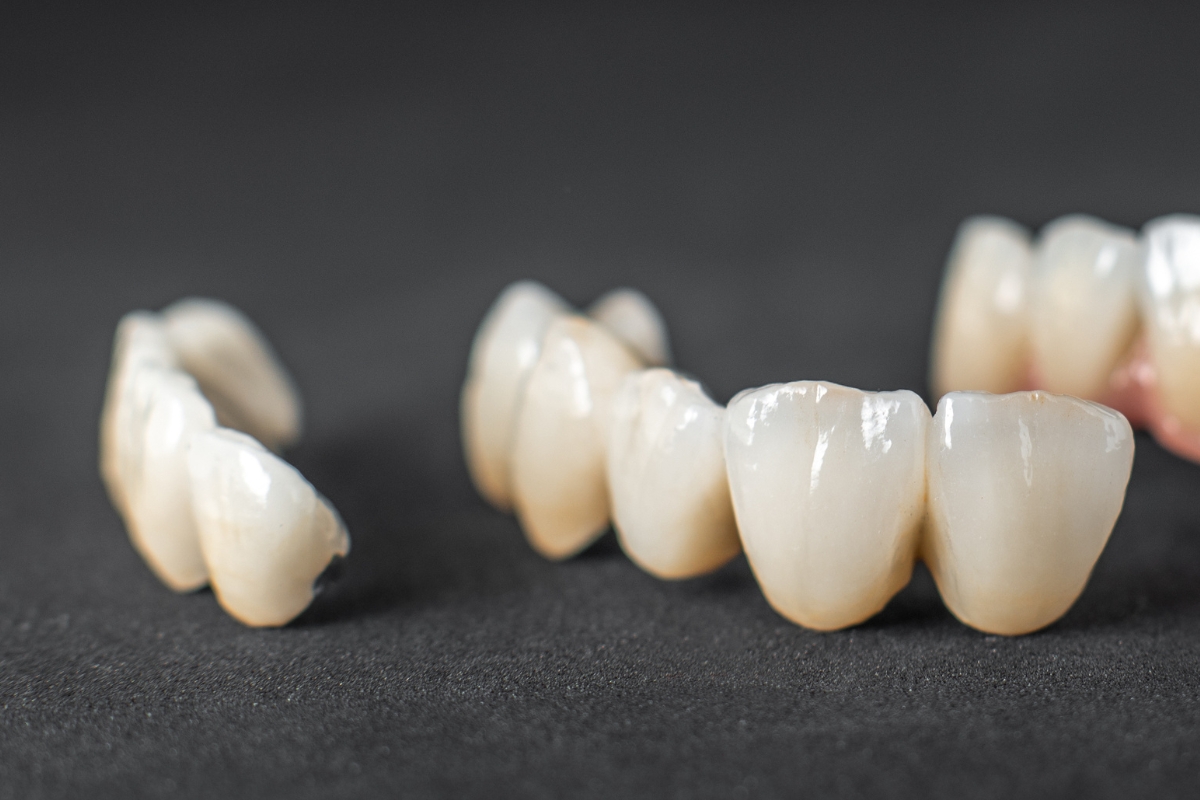
For visible front teeth, dentists may suggest composite or ceramic crowns. They blend naturally with the child’s smile but may not be as strong as stainless steel for back teeth.
Crowns Used After Baby Tooth Repair
If a tooth has undergone baby tooth repair after cavity treatment or a pediatric root canal, placing a crown provides reinforcement. This approach protects the remaining natural structure and vastly reduces the chance of future breakage or discomfort.
How Dental Crowns Help Children in Wylie
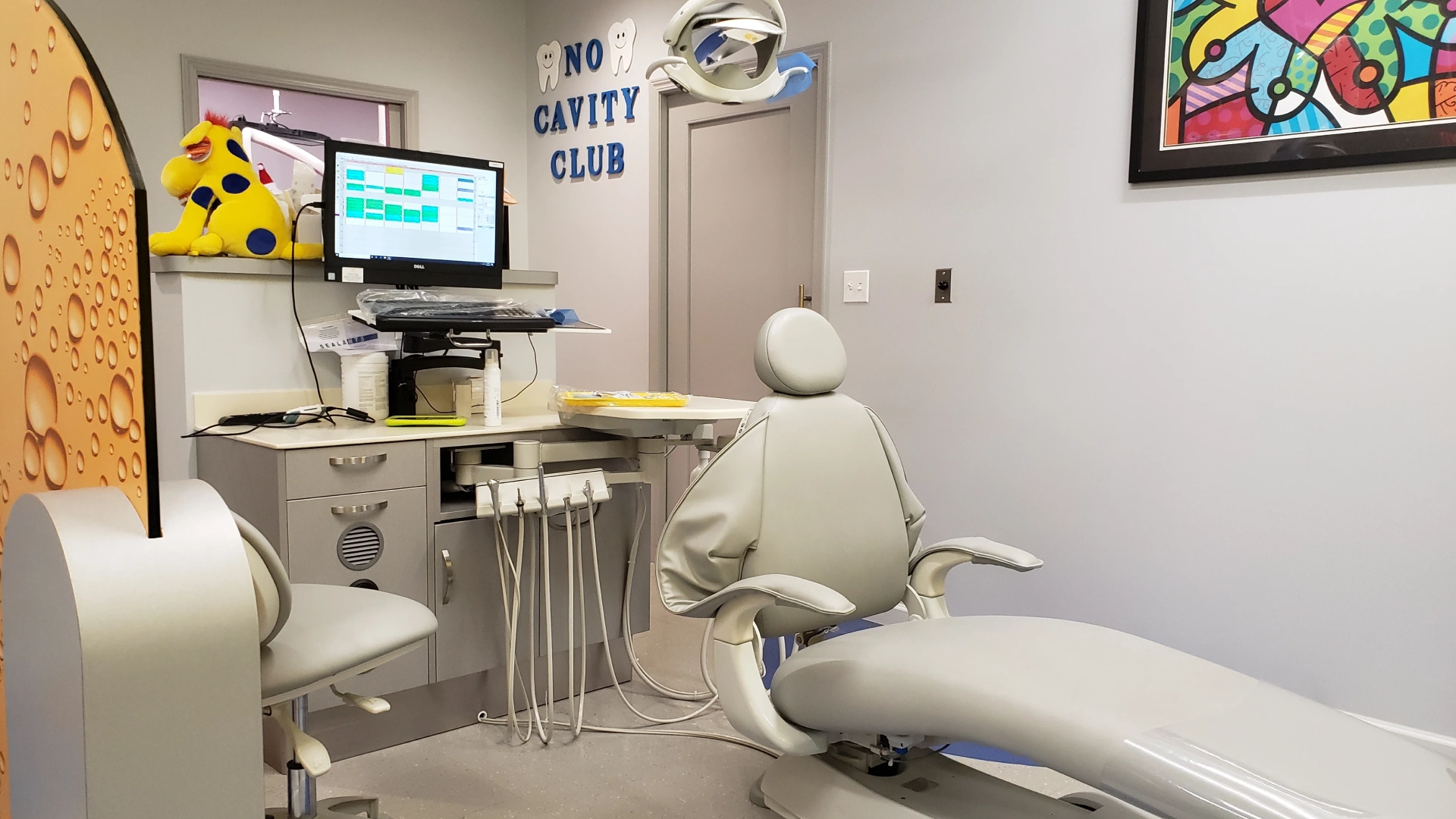
Families in Wylie appreciate approaches rooted in kid-friendly dentistry, focusing on gentle techniques and tools that reduce anxiety. Many dental offices in the area use behavior-guidance methods, child-friendly communication, and modern technology to make treatment smoother.
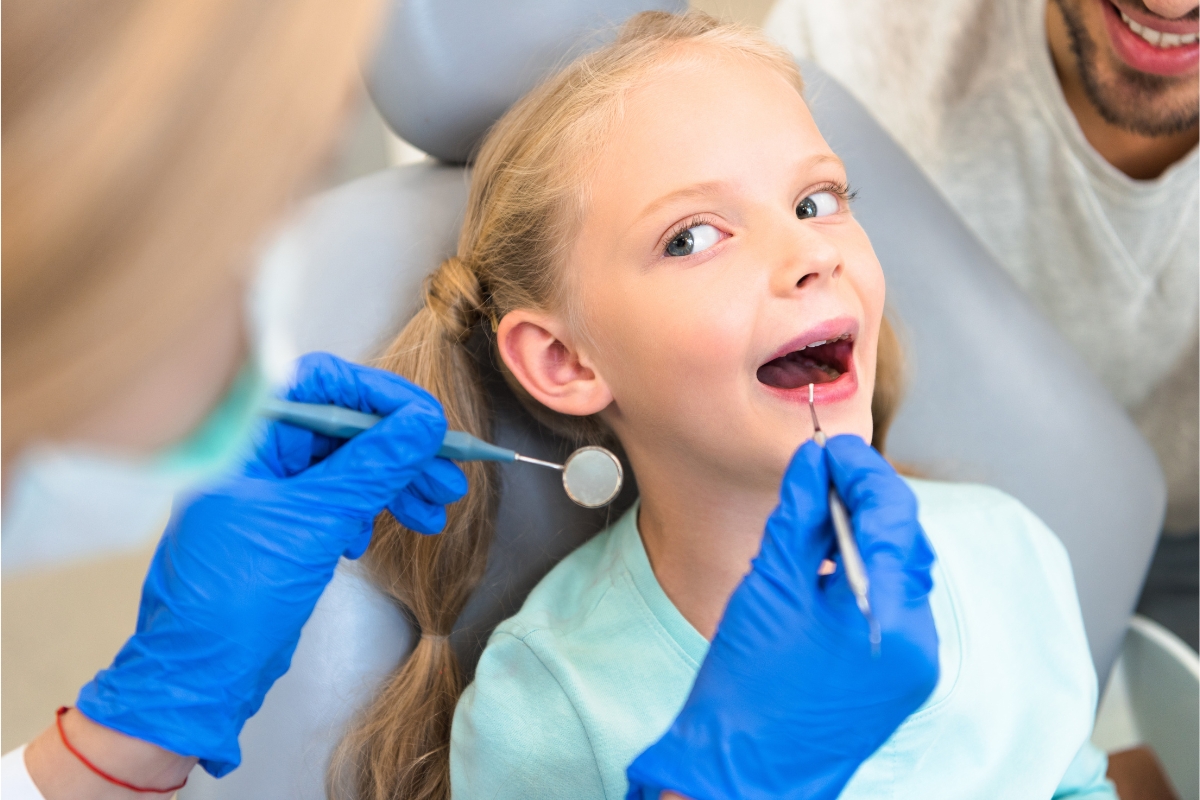
A children dentist Wylie often takes extra time explaining instruments, demonstrating procedures, and ensuring your child feels safe throughout the appointment. When treatment involves crowns, this supportive environment helps reduce fear and creates a positive long-term relationship with dental care.
What Happens During a Dental Crown Appointment
Examination and Diagnosis
The dentist first checks the severity of decay or damage through X-rays or visual examination. They will discuss treatment options and answer your questions.
Preparing the Tooth
The dentist gently removes decay and shapes the tooth to fit the crown comfortably. For stainless steel crowns, this process is usually quick and predictable.
Fitting the Crown
The crown is placed over the tooth and adjusted for proper bite and comfort. Stainless steel crowns are pre-formed and often placed in one visit.
Comfort and Recovery
After the appointment, children can return to normal activities soon. Mild soreness around the gums is normal and usually resolves within a day or two.
Are Dental Crowns Safe for Kids?
Yes. Pediatric crowns are widely used across the U.S., backed by decades of clinical research. Stainless steel crowns in particular are known for their reliability and biocompatibility.
According to national dental health data, children who receive crowns on severely decayed teeth are 70% less likely to experience repeated infection or emergency dental visits in the same area.
This preventive benefit protects both oral health and comfort.
Cavity Prevention After Crown Placement
Even though a crown covers the top of the tooth, the gums and surrounding teeth still need care.
Help your child with:
- Brushing twice daily
- Flossing around the crowned tooth
- Reducing sugary snacks
- Regular dental visits every 6 months
Families in Wylie often find that continuing care at home paired with supportive kid-focused dental visits helps children maintain healthier smiles long-term.
Frequently Asked Questions
Are stainless steel crowns permanent?
No. They stay on the tooth until the baby tooth naturally falls out.
Do dental crowns hurt?
Children may feel mild pressure during preparation, but most procedures use numbing to keep them comfortable.
Can front teeth get crowns too?
Yes. Tooth-colored options are common for front teeth to maintain a natural appearance.
Is a crown better than removing the tooth?
Often, yes. Keeping the baby tooth helps with spacing and alignment for permanent teeth.
What if the crown comes off?
Contact your dental office promptly. Recementing is usually simple and effective.
Final Thoughts
Dental crowns can protect your child’s smile, preserve their comfort, and support healthy development. Understanding the process helps parents feel more confident, especially when working with a practice known for kid-friendly dentistry and gentle care. If your child needs guidance or treatment, you can always schedule an appointment to receive support tailored to your family’s needs.