


By Angel Smile Pediatric Dentistry
July, 2026
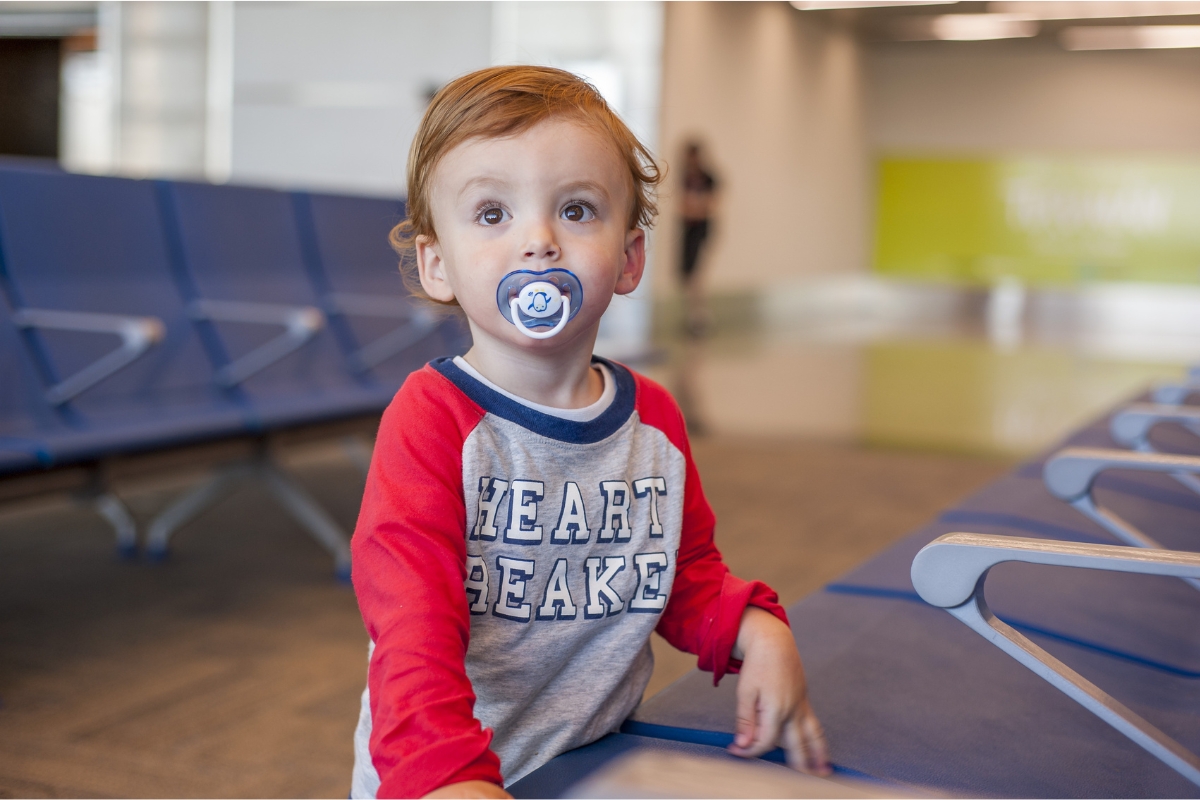
For many parents, a pacifier can feel like a small miracle. It can calm a crying baby, help with sleep, and provide comfort during stressful moments. Because it works so well, it is easy for the habit to continue longer than expected. At some point, however, most parents begin to wonder whether it is time to say goodbye to the pacifier.
The truth is that pacifiers are not automatically harmful. The concern is usually how long they are used. A pacifier that comforts an infant may become a problem if it remains part of a child’s daily routine for too many years. Knowing when to stop can help protect your child’s developing smile and reduce the risk of future dental concerns.
Can Long-Term Pacifier Use Affect a Child’s Teeth?
During infancy and early toddlerhood, pacifier use is generally considered normal. A child’s mouth is still developing, and short-term use rarely causes lasting changes. Problems are more likely to appear when sucking habits continue well beyond the early years.
Constant pressure from a pacifier can gradually affect the position of the teeth and the shape of the developing jaw. Parents may notice that the upper front teeth begin to tilt forward or that the front teeth no longer meet properly when the mouth is closed. In some children, this can contribute to bite problems that may later require orthodontic treatment.
These changes do not happen overnight, which is why regular dental checkups are so important. A dentist can often spot early signs before they become more noticeable.
What Age Is Best for Stopping?
Many dental professionals encourage parents to begin reducing pacifier use during the second year of life. The goal is usually to have the habit discontinued by around three years of age. By this stage, the teeth and jaw are still flexible enough that minor changes caused by sucking habits may correct themselves naturally once the pacifier is removed.
Waiting much longer can increase the likelihood that the changes will persist as the permanent teeth begin developing beneath the gums. Every child develops differently, so the ideal timing may vary slightly from one child to another.
If you are unsure whether your child is ready to stop, a pediatric dentist Wylie, TX can evaluate their oral development and help determine the best time to begin the transition. Early guidance can make the process much easier for both parents and children.
Why Use Beyond Age Three Can Become More Concerning
After a child turns three, the mouth continues to grow rapidly. Baby teeth are already helping guide the future position of the permanent teeth, and prolonged sucking habits can interfere with that process.
Children who continue using a pacifier for several years may be more likely to develop:
- An open bite, where the front teeth do not touch
- An overbite caused by forward movement of the upper teeth
- Changes in jaw growth and alignment
- Speech difficulties related to tongue and mouth positioning
- A greater need for orthodontic monitoring later in childhood
Addressing the habit earlier is usually far easier than correcting the dental changes that may develop from prolonged use.
Gentle Ways to Help Your Child Give Up the Pacifier
Breaking a comforting habit can be challenging, but it does not have to become a battle. Many children respond well to gradual, supportive changes.
Reduce Use Step by Step
Start by limiting the pacifier to bedtime and naps only. Once your child is comfortable with that change, shorten the amount of time it is available during sleep routines until it is no longer needed.
Replace It With Another Comfort Item
A favourite stuffed animal, blanket, or soft toy can provide security during the transition. Having another soothing object often helps children feel less anxious about giving up the pacifier.
Focus on Encouragement
Praise your child for small successes, such as falling asleep without the pacifier or spending part of the day without asking for it. Positive attention is often more effective than punishment or criticism.
Consider a Complete Goodbye
Some families prefer to remove the pacifier all at once. Although the first few days may involve some extra tears or frustration, many children adjust surprisingly quickly when the habit is no longer an option.
The right approach depends on your child’s personality and attachment to the pacifier. If you need help deciding which method to try, a pediatric dentist can offer personalised suggestions based on your child’s age and oral development.
Don’t Skip Regular Dental Visits
Even if your child still uses a pacifier occasionally, routine dental visits are one of the best ways to protect their oral health. Regular examinations allow the dentist to monitor tooth eruption, jaw growth, and bite alignment while identifying any concerns at an early stage.
Early intervention can often prevent more complicated treatment later and gives parents the opportunity to ask questions about habits, nutrition, brushing, and other aspects of their child’s dental development.
Supporting Healthy Smiles as Your Child Grows
Deciding when to stop using a pacifier is an important milestone in your child’s development. The goal is not perfection overnight but a gradual move toward healthier oral habits. By paying attention to your child’s age, dental development, and comfort level, you can help prevent unnecessary problems and support a strong, healthy smile for the future.
At Angel Smile Pediatric Dentistry, we enjoy helping families in Wylie, TX navigate every stage of children’s dental care, from infant oral health and pacifier guidance to preventive checkups and orthodontic evaluations. Our team is committed to making dental visits comfortable, informative, and positive for both children and parents. Schedule an appointment today to receive personalised guidance for your child’s healthy, growing smile.
Frequently Asked Questions
Is it bad for a two-year-old to use a pacifier?
Occasional use at age two is not usually a major concern, but this is a good time to begin reducing the habit so that it does not continue into the preschool years.
Can pacifier use change the shape of the mouth?
Yes. Prolonged sucking can influence the position of the teeth and the development of the jaw, especially if the habit continues beyond age three.
What is the easiest age to stop using a pacifier?
Many parents find that stopping between 18 months and 3 years is easier than waiting until the child is older and more emotionally attached to the pacifier.
Should I worry if my child only uses a pacifier at night?
Night-time use is generally less concerning than constant daytime use, but it is still worth discussing with your child’s dentist if the habit continues beyond age three.
Can dental problems caused by a pacifier fix themselves?
Minor changes sometimes improve naturally after the habit stops, particularly when it is discontinued early. More significant bite problems may require orthodontic treatment later.
How can a pediatric dentist help with pacifier weaning?
A pediatric dentist can evaluate your child’s teeth and jaw, identify any early changes related to pacifier use, and recommend age-appropriate strategies for ending the habit successfully.
How often should children have dental checkups?
Most children should visit the dentist every six months for routine examinations and preventive care, although some children may need more frequent visits based on their individual oral health needs.