


By Angel Smile Pediatric Dentistry
October, 2026
Your child’s first tooth might seem like a small milestone, but it marks the beginning of an important part of their growth. Before long, that tiny tooth helps with meals, new words, and the wide smiles you love to photograph. When a cavity appears, you might wonder whether treating it is necessary if the tooth will eventually fall out.
The importance of baby teeth goes far beyond their temporary appearance. These early teeth help children eat comfortably, develop speech, and maintain space for their future adult teeth. For parents in Wylie, TX, understanding their role can make everyday dental care feel much more worthwhile.
At Angel Smile Pediatric Dentistry, helping children build healthy habits starts with understanding what their growing smiles need. Here is why primary teeth deserve attention from the moment they appear.
Baby Teeth Do More Than Help Children Chew
Baby teeth, also called primary teeth, usually begin appearing around six months of age. Most children develop a complete set of 20 primary teeth by about age three. These teeth serve important purposes throughout early childhood, even though permanent teeth will eventually replace them.
They Help Children Eat a Varied Diet
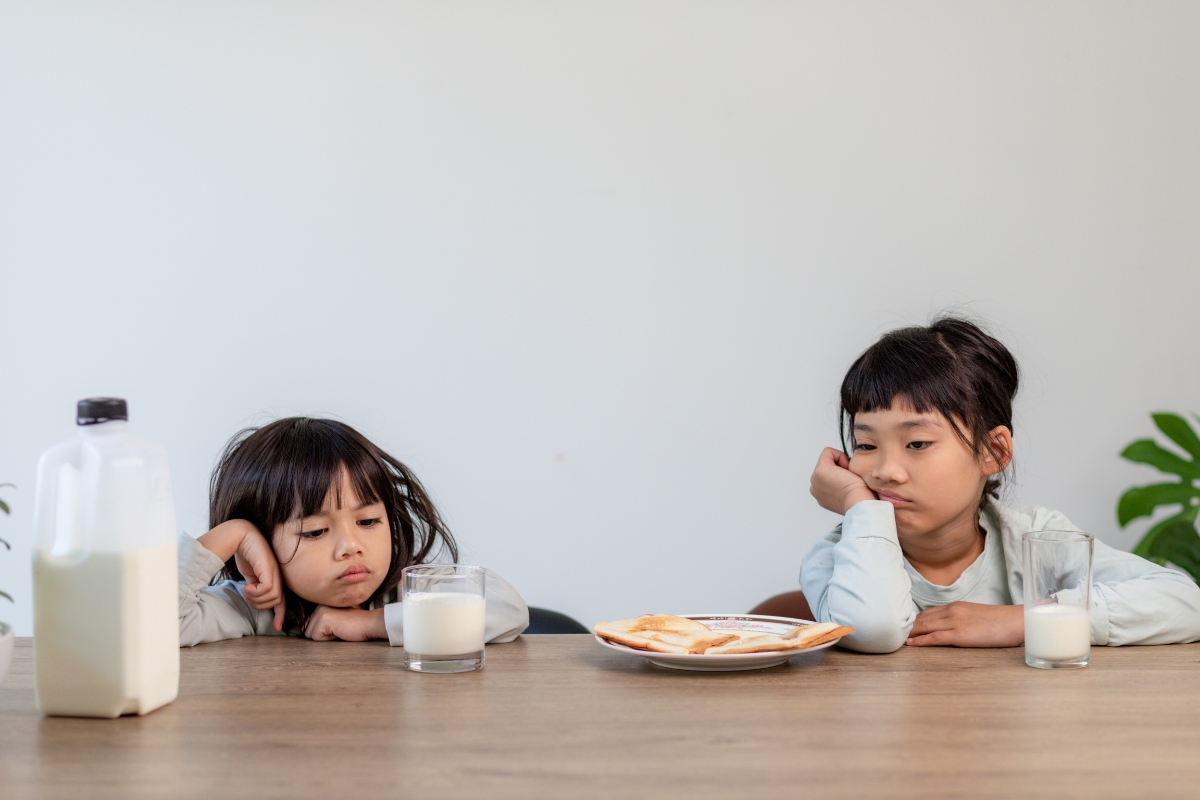
Imagine a child with a painful cavity who starts avoiding apples, crunchy vegetables, or other foods that require biting and chewing. Mealtimes can become frustrating when eating hurts.
Healthy primary teeth help children bite, tear, and chew a variety of foods comfortably. This matters during childhood, when children need balanced nutrition to support growth and development.
Tooth pain can affect food choices and make eating less enjoyable. Keeping baby teeth healthy helps children chew comfortably and participate in normal family meals.
They Support Clear Speech
Parents may not realize how much teeth contribute to the way children learn to speak. The tongue, lips, and teeth work together to produce different sounds. When children learn words and practice conversations, their primary teeth help them form certain sounds.
For example, the position of the tongue relative to the front teeth matters when producing sounds such as “th.” Missing or damaged teeth can sometimes affect how particular sounds are formed, although speech difficulties can have many causes.
The connection between teeth and speech development is one reason regular dental care matters during the preschool years. If you notice persistent speech difficulties, discuss them with your child’s pediatrician or a speech-language professional rather than assuming the teeth are the only cause.
Why Baby Teeth Are Important for Permanent Teeth
One of the most overlooked benefits of healthy baby teeth is the role they play in guiding the next set of teeth.
They Maintain Space for Adult Teeth
Primary teeth do not simply wait to fall out. They help preserve the spaces that permanent teeth need as they develop and emerge.
When a baby tooth comes out naturally at the right time, its permanent replacement can follow the usual eruption process. However, if decay or an injury causes a tooth to be lost too early, neighboring teeth may shift into the open space.
That movement can leave less room for the permanent tooth underneath. In some cases, early tooth loss contributes to crowding or alignment problems. Not every early loss causes these issues, but a pediatric dentist can assess whether a space maintainer or another treatment is appropriate.
They Influence Oral Development as Children Grow
The relationship between baby teeth and permanent teeth development is important throughout childhood. Permanent teeth develop beneath the primary teeth before gradually emerging.
A healthy primary tooth helps children maintain normal function while this process takes place. Untreated decay or infection can sometimes affect the tissues surrounding a developing permanent tooth, depending on the severity and location of the problem.
This is why parents should not assume that a painful baby tooth can simply be ignored until it falls out. A dental examination can identify the problem and help protect the child’s developing smile.
What Happens When Baby Teeth Develop Cavities?
Tooth decay can begin when mouth bacteria use sugars from foods and drinks to produce acids that weaken tooth enamel. Over time, repeated acid attacks can create cavities.
Children are particularly vulnerable when brushing remains inconsistent, sugary drinks are consumed frequently, or bedtime routines include milk or other drinks containing sugars after brushing.
A cavity may initially cause no obvious discomfort. As it progresses, however, a child may develop sensitivity, pain while eating, or difficulty sleeping. Waiting until symptoms become severe can allow a relatively small problem to become more complicated.
Parents can reduce these risks by establishing consistent habits:
- Brush twice daily with fluoride toothpaste appropriate for the child’s age.
- Supervise brushing and help younger children clean all tooth surfaces.
- Clean between teeth when adjacent teeth touch.
- Offer water regularly and limit frequent sugary snacks and drinks.
- Arrange regular dental examinations and follow the dentist’s recommendations.
When Do Baby Teeth Usually Fall Out?
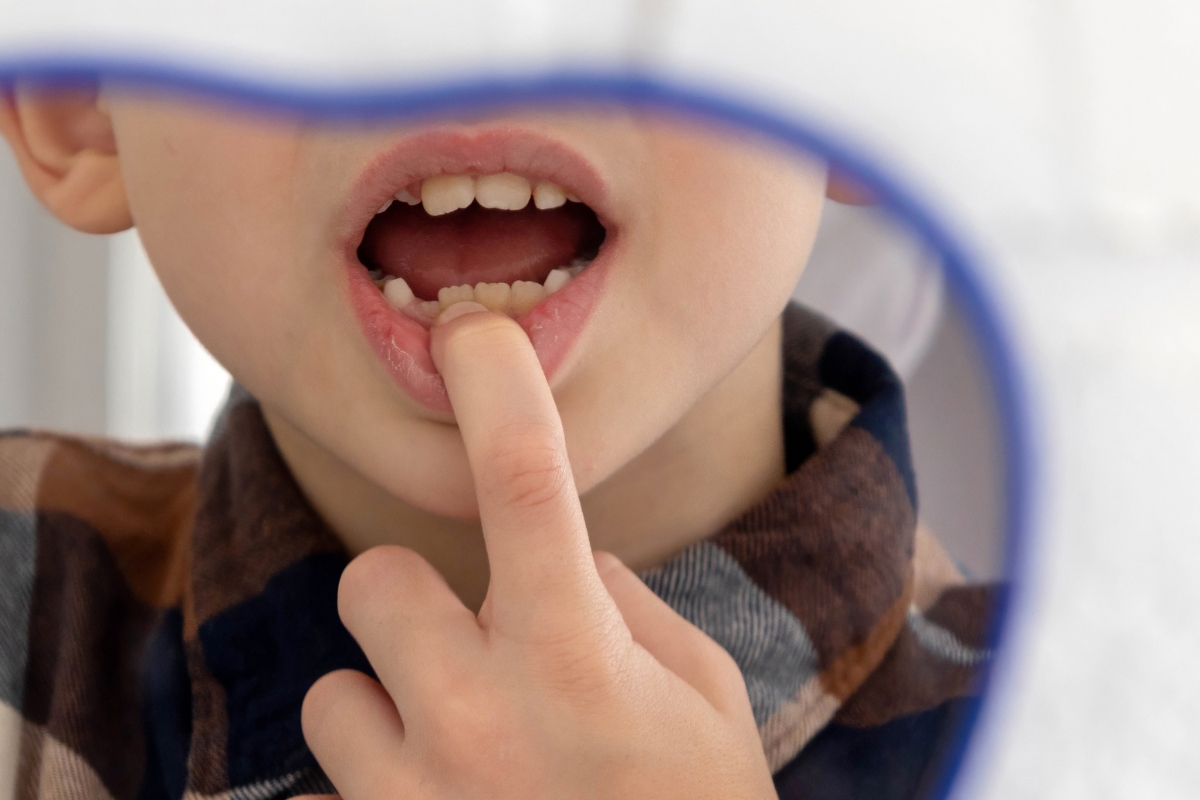
Most children begin losing their primary teeth around age six. The process continues over several years, with the front teeth often among the first to loosen and fall out. Many children have lost most of their baby teeth by their early teens.
However, children do not all follow the same timetable. One child’s first loose tooth may appear earlier or later than a classmate’s, and that difference does not automatically indicate a problem.
Pay attention to discomfort, swelling, or teeth becoming loose after an injury. A baby tooth that becomes loose well before its expected time deserves a dental assessment, particularly if your child has experienced a fall or blow to the mouth.
Never pull a tooth simply because another child’s teeth have started falling out. If you are unsure whether a tooth is ready to come out, ask your pediatric dental team.
Building Healthy Dental Habits in Wylie
Children are more likely to maintain healthy habits when those habits fit naturally into family life. Rather than treating brushing as a separate chore, connect it with activities your child already does each morning and evening.
Let your child choose a toothbrush with a favorite color or character. Use a two-minute song to make brushing easier to follow, and brush your own teeth alongside them so they can copy your movements.
For young children, an adult should check that brushing reaches the back teeth and gumline. Children often need help with effective brushing until they develop the coordination to clean thoroughly on their own.
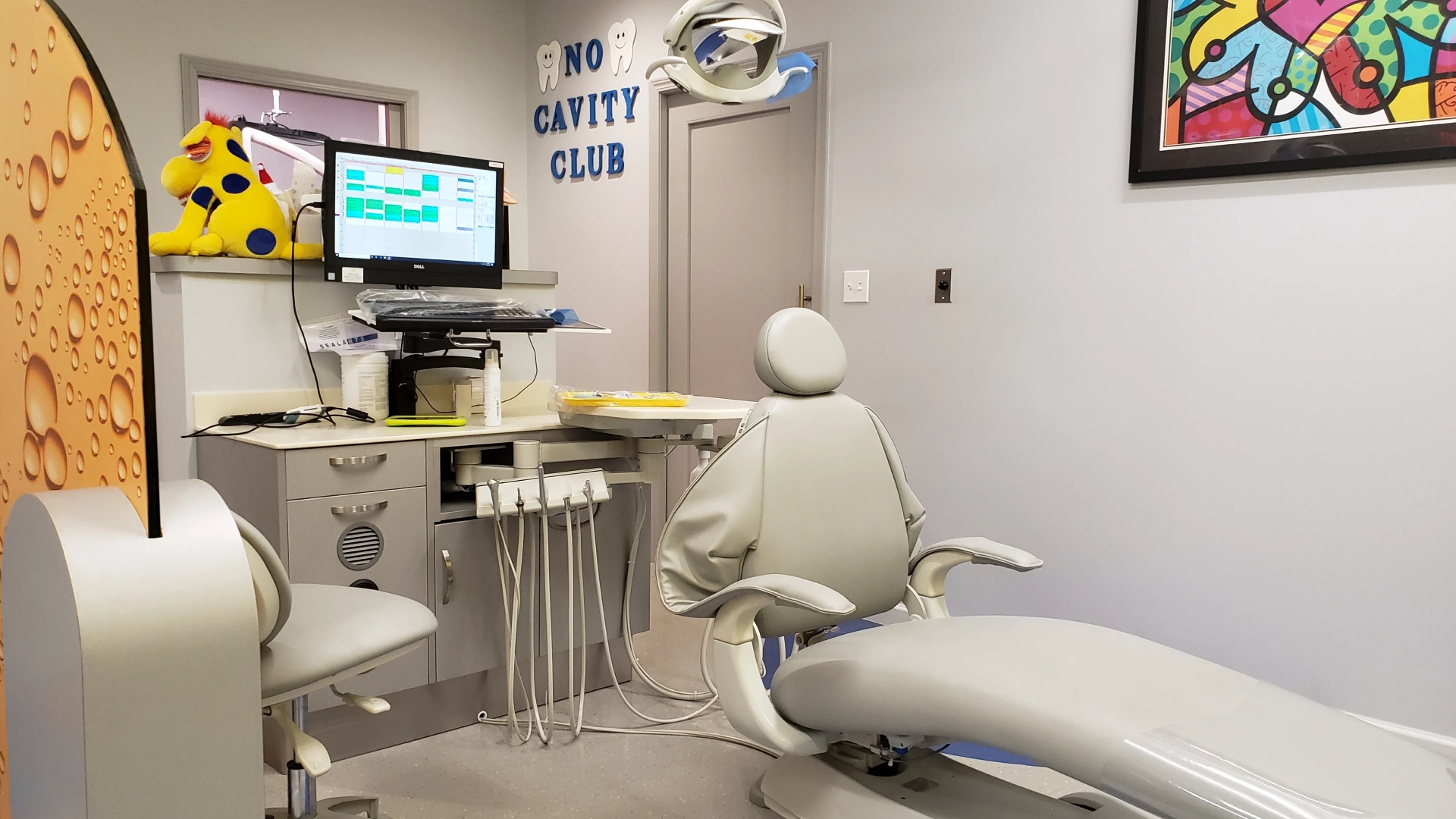
Families in Wylie, TX, can also discuss questions about tooth eruption, cavities, and preventive care with Angel Smile Pediatric Dentistry. A kid friendly dentist Wylie families can turn to should help parents understand their child’s changing dental needs and explain care in a way children can follow.
Regular dental visits allow the dental team to monitor growth, identify concerns early, and provide guidance suited to each stage of childhood.
Give Your Child’s First Teeth the Care They Deserve
Baby teeth may be temporary, but the years children spend with them are important. These teeth help with eating, speech, and the development of a healthy smile. Protecting them also helps children stay comfortable while their permanent teeth develop.
You do not need an elaborate routine to begin. Consistent brushing, sensible food choices, and regular dental visits provide a practical foundation for good oral health.
If you have questions about your child’s teeth or notice signs of discomfort, Angel Smile Pediatric Dentistry can help you understand the next steps.
Schedule an appointment to discuss your child’s dental development and establish a care routine that supports a healthy smile as they grow.
Frequently Asked Questions
Why are baby teeth important if they eventually fall out?
Baby teeth help children chew, develop speech, and maintain space for permanent teeth. They also support comfortable eating and normal oral function throughout early childhood.
At what age do children usually start losing baby teeth?
Most children begin losing primary teeth around age six. The process continues over several years, although the timing varies from child to child.
Can cavities in baby teeth affect permanent teeth?
Severe decay or infection in a primary tooth can sometimes affect the surrounding tissues and a developing permanent tooth. Early dental evaluation helps identify problems and determine appropriate treatment.
Should a cavity in a baby tooth be treated?
Yes, a dentist should evaluate a cavity even when the affected tooth will eventually fall out. Treatment depends on the tooth, the extent of decay, symptoms, and how soon the tooth is expected to be lost naturally.
How can parents protect their child’s baby teeth?
Brush twice daily with age-appropriate fluoride toothpaste, supervise brushing, clean between touching teeth, limit frequent sugary snacks and drinks, and schedule regular dental checkups.