

By Angel Smile Pediatric Dentistry
October, 2026
Every parent wants their child to have a healthy, confident smile. Yet cavities remain the most common chronic childhood disease in the United States. Understanding why cavity prevention now saves your child years of dental problems in Wylie is one of the most important things you can do as a parent. Acting early makes a lasting difference for your child’s oral health and overall well-being.
The Hidden Cost of Untreated Cavities in Children
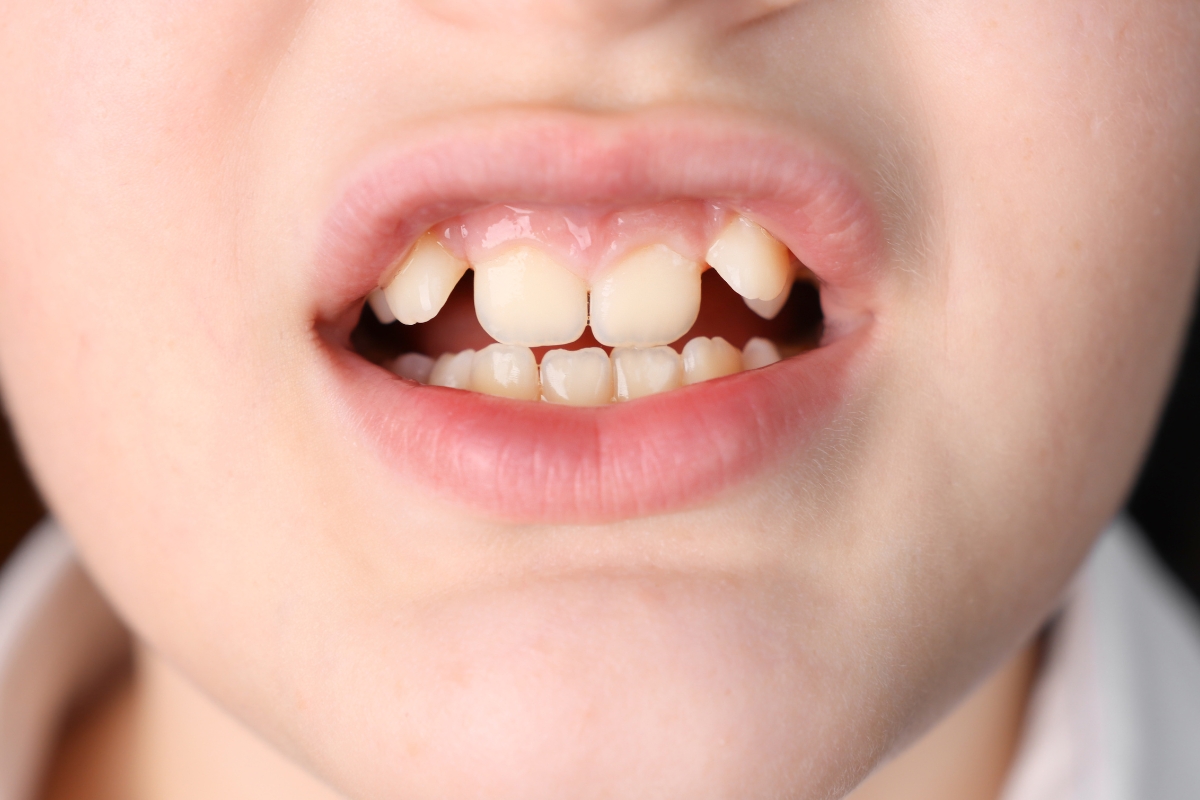
Many parents assume baby teeth don’t matter much since they fall out anyway. This is one of the most common — and costly — misconceptions in children’s dentistry. Baby teeth hold space for permanent teeth and guide their proper development. When cavities go untreated, the consequences reach far beyond a single tooth.
Untreated decay can spread to neighboring teeth quickly. It can also damage the developing permanent tooth waiting underneath. Children with severe cavities often experience pain that affects eating, sleeping, and learning. These issues can follow a child for years if left unaddressed.
Early tooth loss from decay can cause permanent teeth to shift out of alignment. That misalignment may lead to orthodontic treatment later. Cavity prevention now is genuinely an investment in your child’s future smile and health.
Why Cavity Prevention Now Saves Your Child Years of Dental Problems in Wylie
Wylie families have access to excellent preventive care, and using it early makes all the difference. Prevention is always simpler, faster, and less stressful than treatment. A routine cleaning and exam takes less than an hour. Treating a cavity that has spread can require multiple visits and more complex procedures.
Children who receive consistent preventive care develop healthier dental habits. They grow comfortable visiting the dentist regularly. That comfort reduces anxiety and creates lifelong positive associations with oral health. Starting prevention early in Wylie sets your child on a path toward fewer dental problems overall.
Preventive visits allow your child’s dentist to catch problems early. Small issues are addressed before they become large, expensive concerns. This proactive approach protects both your child’s health and your family’s time.
- Routine exams catch early-stage decay before it spreads
- Professional cleanings remove plaque that home brushing misses
- Preventive treatments strengthen enamel and resist future decay
- Regular visits help children build positive dental habits
- Early intervention reduces the need for complex procedures later
Key Preventive Treatments That Protect Your Child’s Teeth
Modern pediatric dentistry offers several highly effective tools to prevent cavities. Two of the most proven are fluoride treatments and dental sealants. Both are safe, quick, and remarkably effective for children of all ages. Your child’s dentist will recommend the right combination based on their individual needs.
Fluoride treatments strengthen tooth enamel and make it more resistant to acid attacks from bacteria. This is especially important during the years when permanent teeth are erupting. Fluoride can even reverse very early-stage decay before it becomes a true cavity. It is one of the most cost-effective preventive measures available in pediatric dentistry.
Dental Sealants Wylie are another powerful tool in cavity prevention. Sealants are thin protective coatings applied to the chewing surfaces of back teeth. These surfaces have deep grooves where food and bacteria easily hide. Sealants seal those grooves and dramatically reduce the risk of decay in those vulnerable areas.
- Fluoride treatments — applied quickly during routine visits
- Dental sealants — protect the grooved surfaces of molars
- Professional cleanings — remove stubborn plaque and tartar buildup
- Dietary counseling — guidance on cavity-causing foods and drinks
- At-home care coaching — proper brushing and flossing techniques for kids
What Happens When Prevention Is Delayed
Delaying preventive care does not mean nothing changes. In children’s dentistry, delay almost always means decay progresses. A small cavity that could have been treated with a simple filling may grow into something requiring more involved treatment. The longer decay is left alone, the more damage it causes to the tooth structure.
Children who skip preventive visits are also more likely to develop dental anxiety later. An urgent visit for a painful tooth is far more stressful than a routine checkup. Building positive experiences early helps children feel safe and calm in the dental chair. Avoiding the dentist creates a cycle that becomes harder to break over time.
In serious cases, untreated decay can lead to dental emergencies. Infections, abscesses, and severe pain sometimes require emergency care. Knowing about Dental Emergencies Wylie is important for every parent, but prevention is always the better path. Consistent preventive care dramatically reduces the chances of a dental emergency occurring.
Simple At-Home Habits That Make a Big Difference
Preventive care doesn’t stop when your child leaves the dental office. Daily habits at home are equally important for keeping cavities away. Parents play a huge role in building these habits, especially for younger children. A few consistent routines can protect your child’s smile every single day.
Brushing twice daily with a fluoride toothpaste is the foundation of good oral hygiene. Children under eight typically need parental help to brush effectively. Flossing once daily removes debris and plaque from between teeth where toothbrushes can’t reach. These simple habits, done consistently, dramatically reduce cavity risk.
Diet also plays a significant role in your child’s dental health. Limiting sugary drinks, sticky snacks, and frequent between-meal grazing helps protect enamel. Water is always the best beverage choice for children’s teeth. Pairing healthy eating habits with professional preventive care gives your child the strongest possible protection against cavities.
Frequently Asked Questions
At what age should my child have their first dental visit?
The American Academy of Pediatric Dentistry recommends scheduling your child’s first dental visit by their first birthday or within six months of their first tooth appearing. Starting early allows the dentist to monitor development, provide guidance on oral hygiene, and establish a positive dental routine from a young age.
How often do children need dental checkups for cavity prevention?
Most children benefit from dental checkups every six months. However, some children with higher cavity risk may need more frequent visits. Your child’s dentist at Angel Smile Pediatric Dentistry will recommend the right schedule based on your child’s individual needs and risk factors.
Are dental sealants safe for my child?
Yes, dental sealants are considered safe and highly effective for children. They have been used in pediatric dentistry for decades. Sealants are a thin plastic coating bonded to the back teeth and contain no harmful levels of any substance. They are one of the most recommended cavity prevention tools for school-age children.
What are signs that my child may have a cavity?
Common signs include tooth sensitivity to hot, cold, or sweet foods, visible dark spots on teeth, complaints of tooth pain, and white or chalky spots on the enamel surface. However, many cavities cause no noticeable symptoms in their early stages. Regular dental exams are the most reliable way to detect decay before it causes pain or serious damage.
How can I help my child avoid cavities between dental visits?
Encourage brushing twice daily with fluoride toothpaste, help young children floss once a day, limit sugary snacks and drinks, offer water as the primary beverage, and make sure your child attends their scheduled preventive visits. Consistency with these habits gives your child the best defense against cavities at every stage of development.
At Angel Smile Pediatric Dentistry, we believe every child in Wylie deserves a healthy, pain-free smile. Our team is dedicated to guiding your family through every stage of your child’s dental development. Prevention is always the kindest and most effective gift you can give your child’s future smile. Book Now to schedule your appointment with our team.