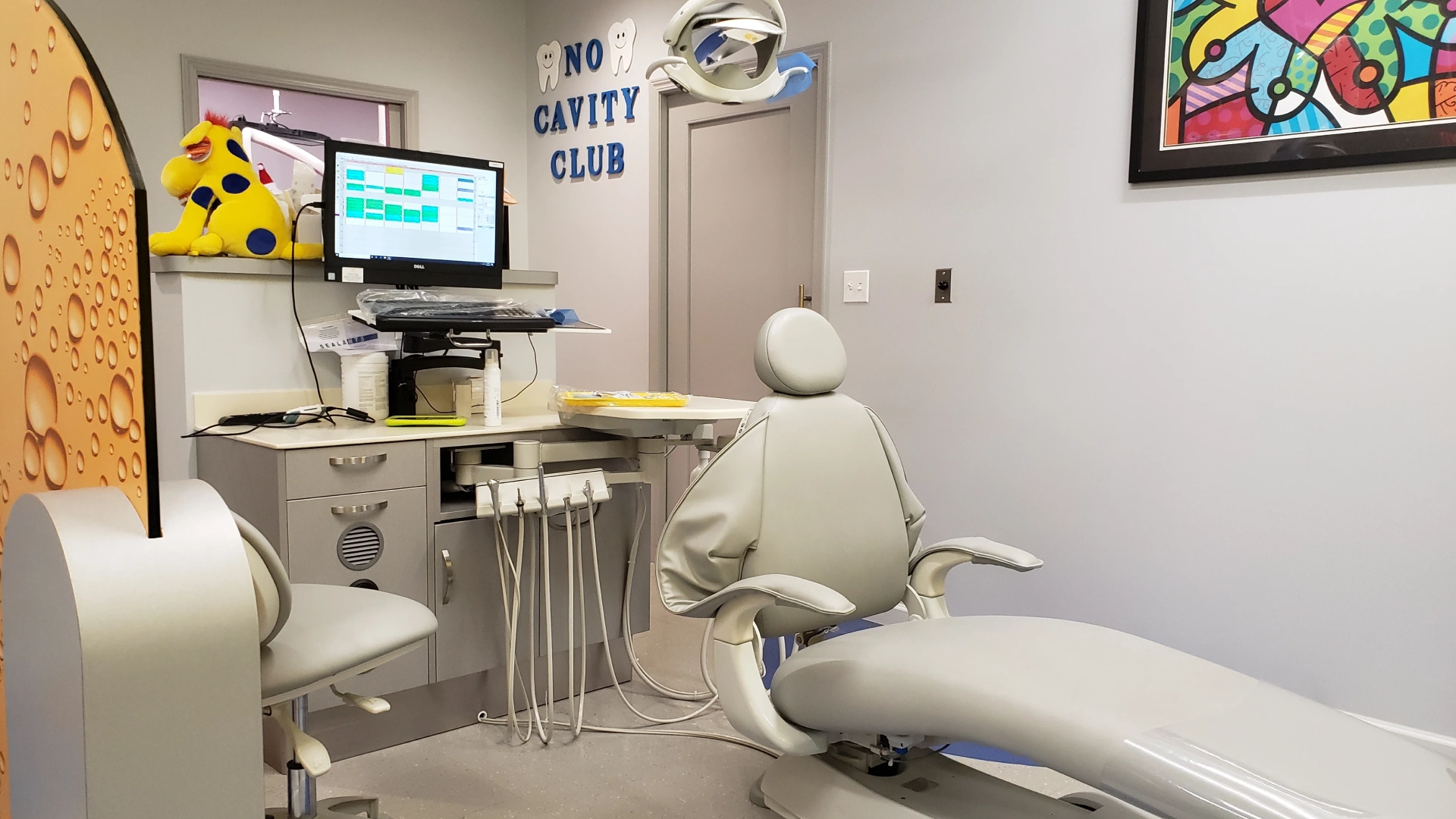




By Angel Smile Pediatric Dentistry
January, 2026
Hearing your child cry out in the middle of the night because of tooth pain can be upsetting for any parent. What seemed like a normal evening can quickly turn stressful when your little one is uncomfortable and unable to sleep. Nighttime toothaches are more common in children than many realize, and they often feel stronger after bedtime. Knowing why this happens — and what steps to take — can help you respond calmly and protect your child’s oral health.
Why Tooth Pain Often Intensifies After Bedtime
There are a few natural reasons dental discomfort may feel worse at night.
Fewer Distractions:
During the day, kids are busy with school, games, and conversations. These activities can take their mind off mild pain. Once everything quiets down, the brain becomes more aware of discomfort.
Increased Blood Flow When Lying Down:
Reclining can cause more blood to circulate toward the head, which may increase pressure around an irritated tooth and make the pain feel more noticeable.
Reduced Saliva Production:
Saliva plays an important role in washing away bacteria and protecting teeth. Because the mouth produces less saliva during sleep, sensitive areas may become more irritated.
If your child wakes up frequently with tooth pain, it may signal a deeper issue that needs attention. Visiting an emergency dentist for kids in Wylie can help identify the cause quickly and provide relief before the problem becomes more serious.
What Could Be Causing Your Child’s Nighttime Toothache?
Cavities
Tooth decay is one of the leading causes of dental pain in children. When bacteria weaken the enamel, the inner layers of the tooth become exposed, leading to sensitivity and discomfort that may feel sharper at night.
Tooth Sensitivity
Sometimes enamel wears down or gums become slightly irritated, allowing temperature changes to trigger pain. This sensitivity can seem stronger when your child is resting quietly.
Ignored Dental Issues
A minor ache shouldn’t be overlooked. Problems such as infections or gum inflammation rarely improve on their own and often worsen without treatment.
Regular checkups with a Wylie pediatric dentist can catch these concerns early, helping your child avoid unexpected pain and sleepless nights.
Teething
For babies and toddlers, erupting teeth can create pressure under the gums. Without daytime distractions, that discomfort may wake them from sleep.
Teeth Grinding
Some children grind their teeth unconsciously at night. Over time, this can strain the jaw and increase tooth sensitivity, leading to soreness or headaches.
How to Help Your Child Feel Better at Night
While professional care is essential for ongoing pain, a few simple measures may provide temporary comfort:
- Place a cool compress against the cheek to reduce swelling.
- If your child is old enough, try a gentle warm saltwater rinse to calm irritated tissues.
- Keep their head slightly elevated with an extra pillow to ease pressure.
- Use only pediatrician-approved pain relief and follow the recommended dosage carefully.
These steps can help your child rest, but they should not replace a dental evaluation if the pain continues.
Tips to Prevent Future Toothaches
Good daily habits go a long way in keeping your child’s smile healthy.
- Encourage brushing twice a day and flossing regularly.
- Limit sugary snacks and drinks, especially before bedtime.
- Offer water after meals to help rinse the mouth.
- Keep up with routine dental visits so small problems don’t turn into painful ones.
Nighttime toothaches can be exhausting for both children and parents, but they are often preventable with consistent care. Paying attention to early signs of discomfort and seeking timely treatment can make a big difference in your child’s comfort and overall health.
If your child continues to experience tooth pain or wakes frequently because of it, don’t ignore the symptoms — schedule an appointment today to ensure they get the care they need and return to peaceful, uninterrupted sleep.
Frequently Asked Questions
Can I give my child pain medicine for a nighttime toothache?
Over-the-counter medication may provide short-term relief, but always speak with your pediatrician first to confirm the safest option and dosage. It’s important to remember that medication treats the pain, not the cause.
Are there safe home remedies for tooth pain?
A cold compress, saltwater rinse, and keeping your child’s head elevated can help reduce discomfort temporarily. However, professional dental care is still necessary if pain persists.
Could teeth grinding be the reason for my child’s toothache?
Yes, grinding — also known as bruxism — can place pressure on teeth and cause sensitivity. A dentist can evaluate the situation and recommend protective solutions if needed.
Why does teething bother children more at night?
At night, there are fewer distractions, so babies tend to notice gum discomfort more. Chilled teething rings or gentle gum massage can often help soothe them.
What is the best way to lower the risk of nighttime toothaches?
Strong oral hygiene habits, balanced nutrition, and regular dental checkups are the most effective ways to prevent dental pain and keep your child smiling comfortably.
Related Articles