



By Angel Smile Pediatric Dentistry
December, 2025
Childhood habits often come from a place of comfort. Thumb sucking is one of them. For many little ones, it starts early and becomes a familiar way to relax, fall asleep, or cope with new situations. As a parent, it’s natural to feel protective and sometimes concerned — especially when you begin wondering whether this habit could affect your child’s teeth or developing smile.
The good news is that you’re not alone in asking these questions. Many families in and around Wylie experience the same worries as their children grow. Understanding thumb sucking effects, when the habit is harmless, and when it may begin to influence the teeth can help you make calm, confident decisions about your child’s oral health.
Connecting with a trusted kid friendly dentist in Wylie can also provide reassurance, especially if the habit continues as your child gets older or if you start noticing changes in their bite or tooth alignment.
Why Do Children Suck Their Thumbs?
Thumb sucking is considered an early oral habit. Babies may start it instinctively, and many toddlers continue because it feels soothing. It can help them:
- settle down for sleep
- handle new environments
- feel secure during moments of stress
In many cases, children gradually stop on their own as they grow socially and emotionally. Light, occasional thumb sucking in the early years usually does not cause dental concerns.
When the habit may become a concern
The risk increases when:
- thumb sucking continues past early childhood
- the habit is frequent or strong
- permanent teeth begin to erupt
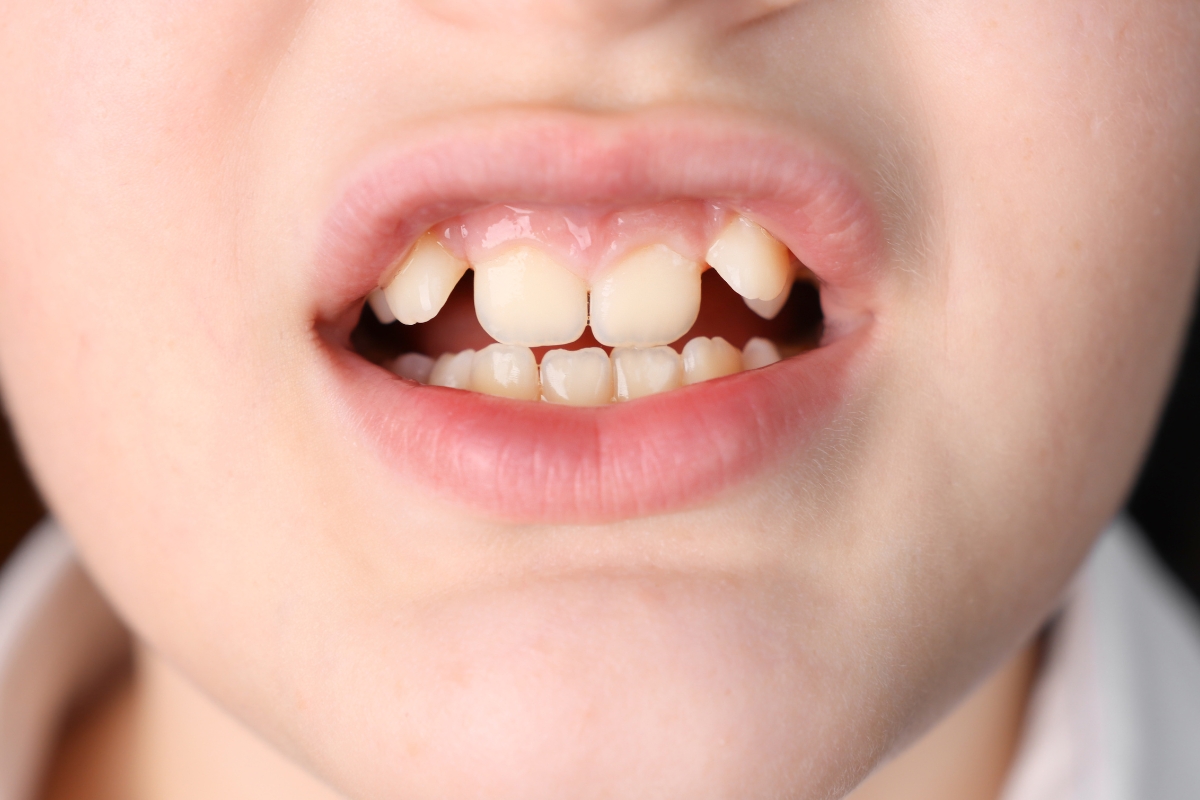
That is when parents may begin noticing bite problems in kids, such as spacing or changes in how the front teeth come together.
How Thumb Sucking Can Affect Teeth and Jaw Development
Thumb sucking influences the developing mouth because children’s bones and teeth are still forming and adjusting. When pressure from the thumb continues over time, it can gently shift the position of the teeth and the shape of the upper palate.
Common changes that may appear include:
- front teeth tilting outward or inward
- an open bite, where front teeth do not meet
- increased spacing between front teeth
- changes in the upper jaw shape
- speech challenges related to tooth position
These effects don’t happen overnight — they develop gradually as the habit becomes more consistent.
What Research and Data Suggest About Timing
Findings from pediatric dental studies show helpful patterns parents can use as guidance:
- many children stop thumb sucking naturally between ages 3 and 4
- the chances of alignment changes rise when the habit continues past age 5–6
- the strength and frequency of sucking matter as much as how often it happens
A child who lightly rests the thumb in the mouth is less likely to experience dental changes than a child who applies consistent pressure, especially during sleep.
This is where pediatric dental guidance becomes valuable. A pediatric dentist looks not only at whether the habit exists, but how it affects overall growth and development.
Thumb Sucking and Bite Problems in Kids
Possible bite changes
Prolonged thumb sucking may contribute to:
- open bite – space between the upper and lower front teeth
- overjet – upper teeth positioned forward
- crossbite – upper teeth fitting inside lower teeth
These changes can affect chewing, speech clarity, and oral function. If the habit continues for many years, orthodontic treatment may be needed to guide the teeth back into alignment.
Why early awareness helps
When habits are addressed earlier, children often require fewer corrections later. Gentle habit support can help protect natural growth and reduce the need for future treatment.
What Parents in Wylie Should Pay Attention To
Families in Wylie often juggle school schedules, sports practice, and busy routines. Simple signs can help you recognize when thumb sucking may be affecting your child’s smile:
- front teeth that appear flared or spaced
- difficulty closing the front teeth together
- speech sounds changing
- frequent thumb sucking during the day
If you notice these changes, approaching the habit with patience and empathy makes a meaningful difference.
When to Talk With a Pediatric Dentist
A pediatric dentist focuses on children’s comfort, emotions, and developmental stages. Parents usually reach out for guidance when:
- the habit continues beyond early childhood
- permanent teeth are starting to come in
- their child wants to stop but struggles
- bite changes are becoming noticeable
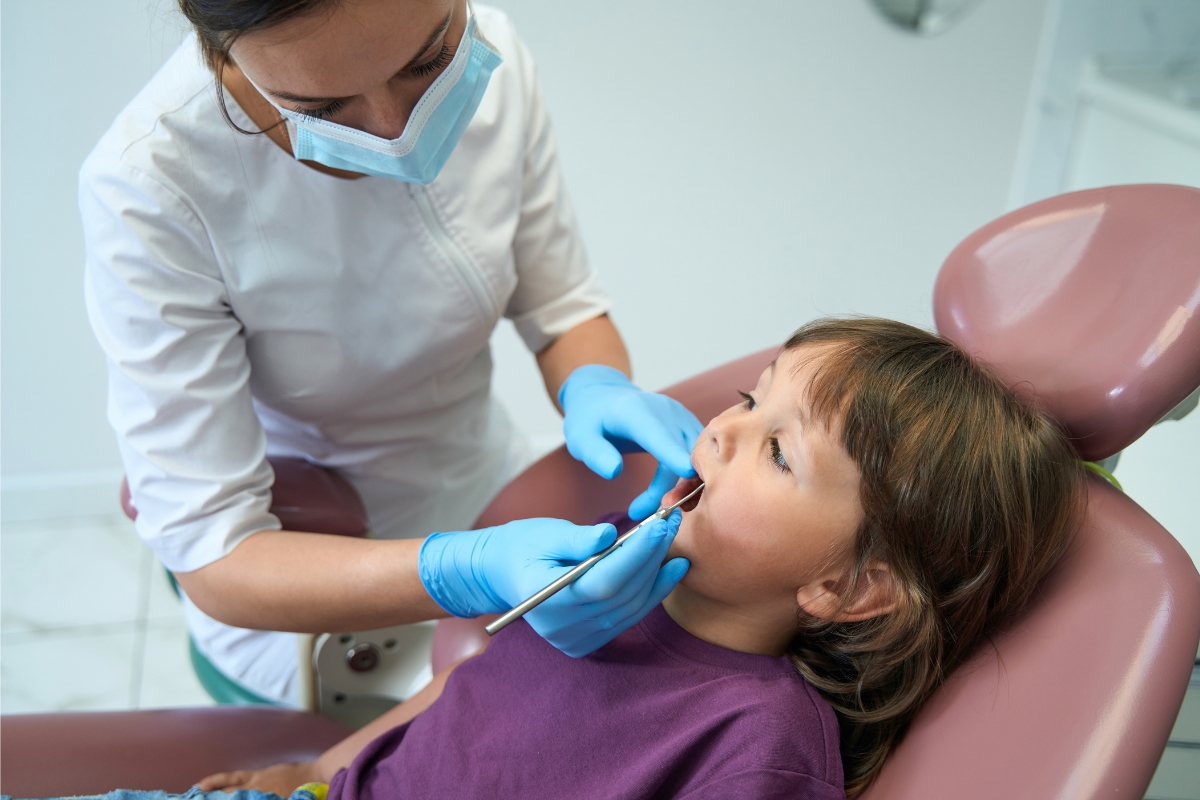
A kid friendly dentist in Wylie creates a calm, reassuring environment where children feel supported instead of judged. Visits often include positive reinforcement, simple behavior strategies, and — when necessary — gentle habit appliances.
Gentle Ways to Support Your Child in Reducing Thumb Sucking
Supportive approaches at home
- encourage and celebrate progress
- understand emotional triggers such as fatigue or stress
- build bedtime routines that feel comforting
- consider reminder tools only if your child agrees
Healthy alternatives to oral habits
- soft fidget toys or stress balls
- calming breathing
- quiet activities before bed
Why positive support matters
Children respond best to encouragement rather than pressure or criticism. A calm approach helps them feel involved and confident in change.
Growing Healthy Smiles in Wylie
In a close-knit community like Wylie, a healthy smile supports confidence at school, sports events, church activities, and everyday interactions with friends. Building trust with a caring dental team helps children feel comfortable during visits and supports long-term healthy oral habits.
If you’re thinking about guidance for your child, you can talk with a kid friendly dentist, and during your visit you can schedule an appointment to check their bite and receive supportive, child-centered advice.
FAQs: Thumb Sucking and Children’s Teeth
Does every child who sucks their thumb develop dental problems?
No. The likelihood depends on how often and how strongly the child sucks their thumb, and how long the habit continues.
When should parents consider addressing the habit?
It’s helpful to seek guidance if the habit continues past early childhood or when permanent teeth begin to appear.
Can thumb sucking affect speech?
Yes, in some cases changes in tooth and tongue position may influence certain sounds, such as “s” or “sh.”
Are pacifiers safer than thumb sucking?
Both can affect the bite if used for many years. The same timing and intensity principles apply.
Will my child automatically need braces?
Not always. Early guidance, habit support, and regular monitoring can reduce treatment needs later.
A Caring Approach to Your Child’s Smile
Thumb sucking is a comforting habit many children rely on while growing and learning about the world. What matters most is recognizing changes early, responding with patience, and seeking support when you feel it may be affecting your child’s teeth or bite. If you’re noticing thumb sucking effects or have questions about bite problems in kids, speaking with a pediatric dentist can bring clarity and reassurance.