



By Angel Smile Pediatric Dentistry
January, 2026
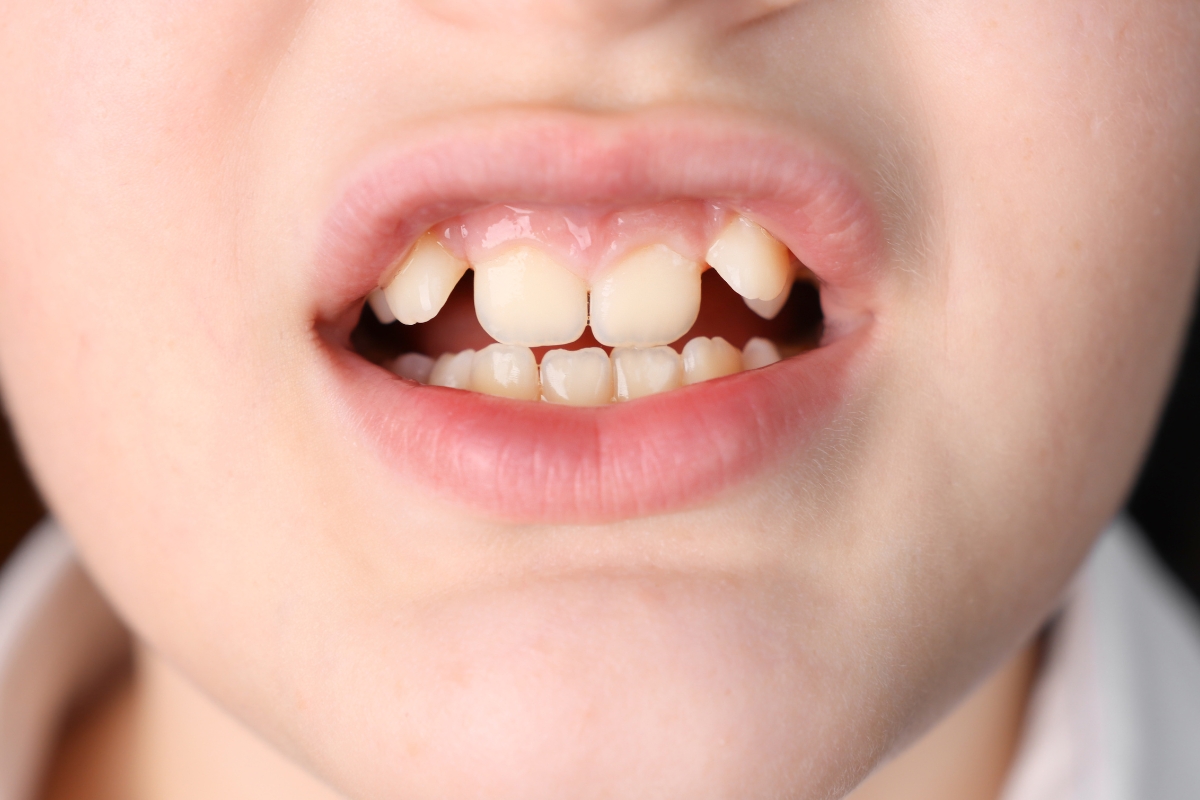
Loose teeth are a healthy and expected part of childhood. As adult teeth develop beneath the gums, they slowly break down the roots of baby teeth. Once the roots are gone, the tooth no longer has anything holding it firmly in place — so it begins to wiggle and eventually falls out.
Most kids lose their first tooth around age six, but don’t worry if your child starts a little earlier or later. Growth patterns vary, and every child follows their own timeline.
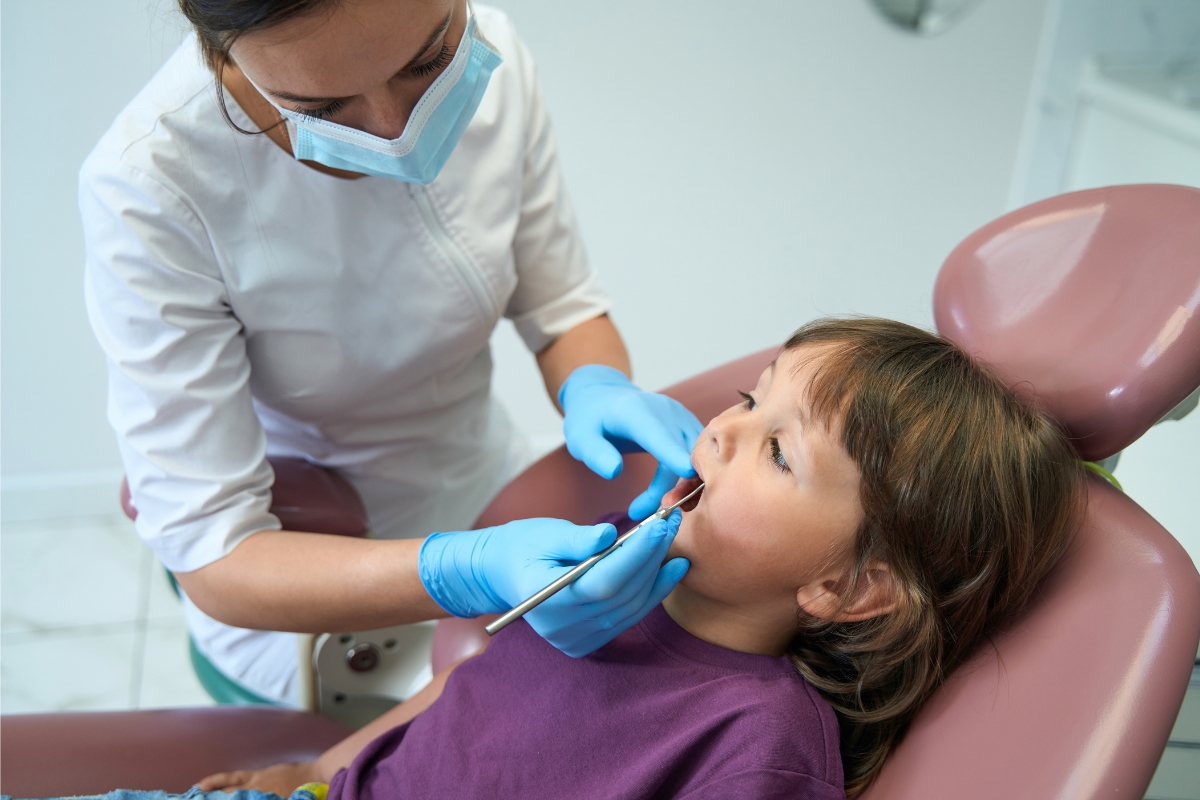
If you ever feel unsure about whether your child’s loose tooth is progressing normally, a Wylie pediatric dentist can provide clarity and reassurance. Regular dental visits help confirm that permanent teeth are coming in properly and that your child’s smile is developing as it should.
What Is the Normal Order for Losing Teeth?
There is a general pattern most children follow when losing baby teeth:
- The bottom front teeth are usually the first to loosen.
- The top front teeth often come next.
- Over the following years, the remaining baby teeth gradually make way for permanent ones.
Remember, slight differences in timing are completely normal and rarely a cause for concern.
Signs a Tooth Is Ready to Come Out
Children don’t always explain what they’re feeling clearly, so it helps to recognize the signs yourself.
Watch for:
- A tooth that moves easily when touched
- Mild redness or puffiness around the gums
- Sensitivity when biting into harder foods
- Complaints of slight irritation while brushing
These are all typical indicators that the tooth is nearing its big exit.
How Parents Can Help
Your reaction can shape how your child feels about losing a tooth. Staying calm and encouraging can make it an exciting milestone instead of a stressful one.
Encourage Gentle Wiggling
Let your child move the tooth softly using their tongue or clean fingers. Avoid pulling it out before it’s ready, as forcing it can cause pain and unnecessary bleeding.
Keep Up With Oral Care
Even with a loose tooth, daily hygiene should not change.
- Use a soft toothbrush and brush carefully around the area.
- Encourage rinsing with warm salt water if the gums feel tender.
- Continue flossing where possible.
Good habits now help protect the incoming permanent teeth.
When Should You Contact a Dentist?
Loose teeth typically resolve on their own, but there are times when it’s best to seek professional care:
- The tooth stays loose for many months without falling out
- Your child experiences ongoing pain
- You notice swelling or possible infection
- A permanent tooth begins growing behind a baby tooth
Getting timely advice can prevent crowding or alignment concerns later.
Common Myths About Loose Teeth
Many of us grew up hearing creative ways to remove a tooth, but not all of them are safe.
- Tying a string to a tooth and pulling it out can harm the gums.
- There is no “perfect” age for tooth loss — variation is normal.
- While the Tooth Fairy adds magic to the moment, nature is what truly guides the process.
Making the Experience Fun
Losing a tooth doesn’t have to feel scary. Turning it into a celebration can help your child look forward to it.
You might:
- Let them keep the tooth in a small keepsake box
- Help them write a note for the Tooth Fairy
- Celebrate with a small treat or extra bedtime story
These little traditions often become cherished childhood memories.
A Special Stage in Your Child’s Growth
Each loose tooth marks another step toward adulthood and a stronger smile. With reassurance, proper care, and attention to any unusual symptoms, most children move through this phase comfortably.
Staying connected with a dental professional ensures your child’s teeth are developing properly and gives you peace of mind along the way.
If your child has a loose tooth or you have questions about their dental development, schedule an appointment today to support a healthy, confident smile.
Frequently Asked Questions
When do children typically lose their first tooth?
Most children lose their first baby tooth between ages five and seven, though some fall outside that range and remain perfectly healthy.
Is it normal for an adult tooth to appear before the baby tooth falls out?
Yes, this can happen occasionally. A dentist can determine whether the baby tooth needs help coming out.
What if a baby tooth falls out too early?
Early loss may affect spacing for permanent teeth. A dental visit can help ensure everything stays on track.
Should my child pull out their loose tooth?
It’s best to let the tooth fall out naturally. Gentle wiggling is fine, but force should always be avoided.
How can I ease my child’s discomfort?
Offer softer foods, encourage careful brushing, and use warm salt water rinses to soothe the gums if they feel irritated.