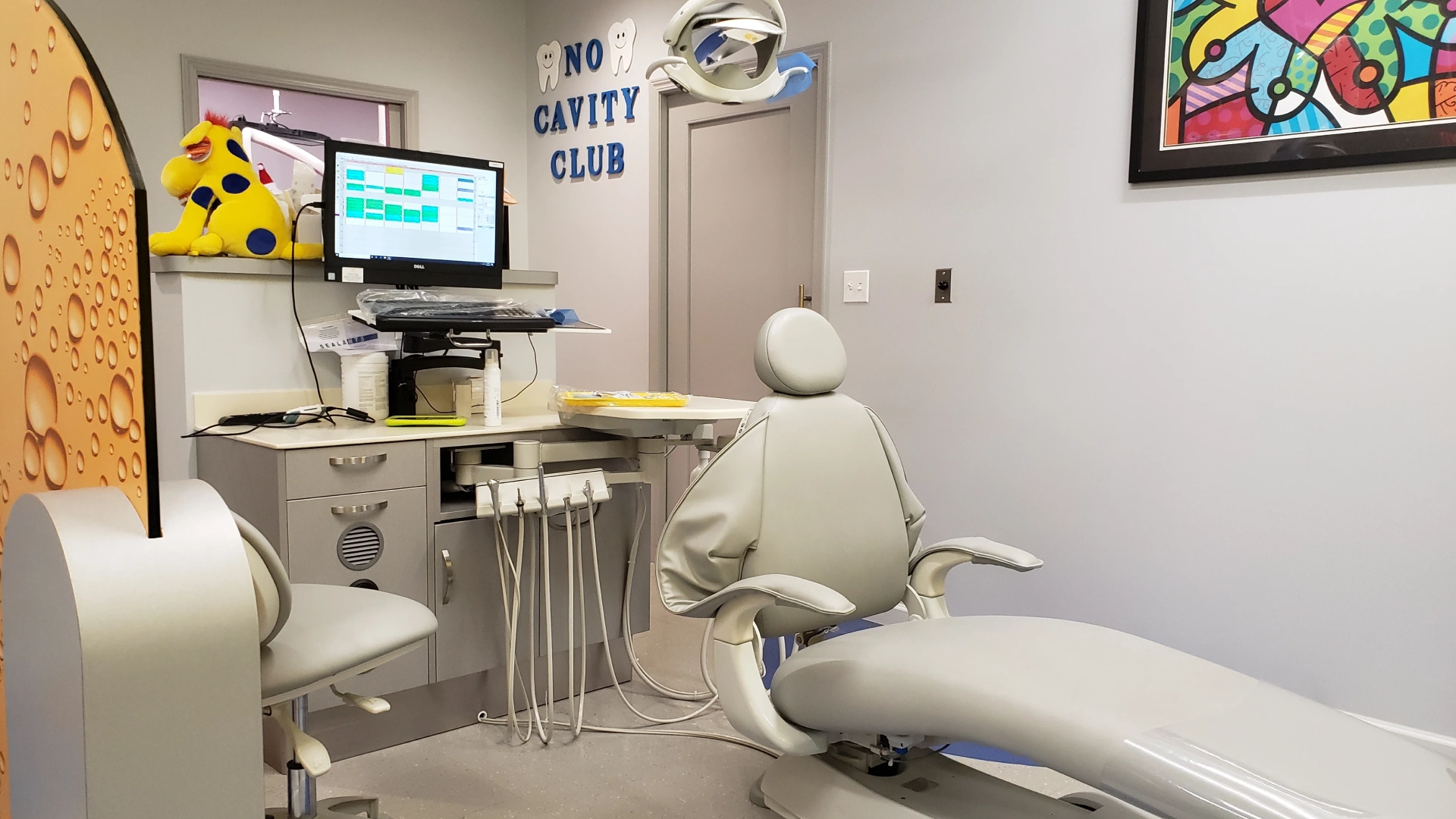




By Angel Smile Pediatric Dentistry
March, 2026
For many parents, a dental visit with sedation feels like the safest, most comfortable choice for their child. You expect your child to stay relaxed through the procedure—and wake up calm afterward. So when your child starts crying, acting confused, or clinging to you, it can catch you off guard.
If you’ve recently visited a children sedation dentist Wylie families rely on, you might have experienced this moment firsthand. It can feel worrying, but in most cases, this reaction is completely normal and temporary.
Children process sedation differently than adults. What looks like distress is often just their body and mind adjusting as the medication wears off.
What Sedation Does to a Child’s Body
Sedation is used in pediatric dentistry to help children stay comfortable and still during treatment. Depending on the type, it can make them feel relaxed, sleepy, or less aware of what’s happening.
The After-Effect Phase
When the procedure is over, the medication doesn’t disappear instantly. It fades gradually. During this time, children may not feel fully awake or aware, which can lead to unusual behavior.
This transition period is where most of the emotional reactions happen.
Children Sedation Dentist Wylie: Understanding Post-Sedation Crying
It’s important to know that child crying after sedation is not uncommon. In fact, many children go through a short phase of emotional response as they wake up.
They may not recognize where they are right away or understand what just happened. That sense of confusion can lead to crying, even if they’re not in pain.
Common Reasons Behind This Reaction
Confusion and Disorientation
As sedation wears off, your child may feel disoriented. They might open their eyes but still feel “foggy.” This can be unsettling, especially in an unfamiliar environment.
Grogginess and Physical Sensation
One of the most noticeable pediatric sedation effects is grogginess. Children may feel heavy, slow, or unsteady. Since they’re not used to this feeling, it can make them uncomfortable or frustrated.
Emotional Release
Even if your child doesn’t clearly remember the procedure, their body may still react emotionally. Crying can simply be a way of releasing that tension.
Overstimulation
Coming out of a calm, controlled setting into a brighter or noisier environment can feel overwhelming. This sudden shift may trigger an emotional response.
Is This Something to Worry About?
In most cases, no. Crying after sedation is usually short-lived and fades as your child becomes more alert.
Studies in pediatric care show that temporary emotional changes—like crying, irritability, or clinginess—can occur as sedation wears off. These reactions are typically mild and resolve on their own.
How Long Does It Usually Last?
For most children, these effects pass within a few hours.
What You Might Notice
- Crying or fussiness
- Wanting to be held
- Sleepiness
- Mild confusion
As your child rests and the medication fully leaves their system, their mood usually returns to normal.
Ways to Comfort Your Child After Sedation
Your presence and response matter a lot during this time.
Stay Close and Reassuring
Your child may not fully understand what they’re feeling. Being nearby and speaking gently can help them feel safe.
Keep Things Calm
A quiet, low-stimulation environment can make it easier for your child to adjust.
Offer Familiar Comforts
A favorite toy, blanket, or even just holding your hand can go a long way.
Let Them Rest
Sleep helps the body recover. Don’t worry if your child wants to nap more than usual.
Many parents find that guidance from a Wylie pediatric dentist helps them feel more prepared for what to expect after sedation.
When Should You Reach Out for Help?
While most reactions are normal, it’s important to know when to check in.
Watch for These Signs
- Crying that doesn’t improve after several hours
- Trouble waking your child
- Breathing that seems unusual
- Ongoing discomfort or nausea
If anything feels off, it’s always okay to contact your dental provider for reassurance.
Safety and What Experts Say
Sedation dentistry for children is carefully monitored and widely used. Dental professionals follow strict guidelines to ensure safety at every step.
The American Dental Association provides guidance on maintaining safe dental practices and patient care.
Life in Wylie, TX: A Parent’s Perspective
In Wylie, TX, families often juggle school, activities, and busy schedules. Dental visits can feel like a big event, especially for younger children.
Sedation helps make those visits more manageable, but the recovery phase can still feel emotional. Knowing that post-sedation crying is temporary can make the experience less stressful for both you and your child.
Preparing for Future Visits
A little preparation can make a big difference next time.
Talk to Your Child Ahead of Time
Keep it simple and reassuring so they know what to expect.
Plan a Calm Day After the Visit
Avoid scheduling activities so your child has time to rest.
Ask Questions
Your dental provider can explain what’s typical and how to handle recovery.
Parents searching for a trusted Wylie pediatric dentist often find that clear communication helps them feel more confident throughout the process.
Frequently Asked Questions
Why does my child cry after sedation?
It’s usually due to confusion, grogginess, or an emotional response as the medication wears off.
Is my child in pain when they cry?
Not necessarily. Crying is often related to how they feel, not pain.
How long will the effects last?
Most children feel normal again within a few hours.
Can this be prevented?
Not completely, but a calm environment and reassurance can help.
Should I be concerned about crying?
Only if it lasts longer than expected or comes with other unusual symptoms.
Final Thoughts
Seeing your child cry after sedation can be tough, especially when you expected them to wake up peacefully. But in most cases, it’s simply part of the body’s natural recovery process.
With a little patience, comfort, and time, your child will settle back into their usual self. If you ever feel unsure or want more guidance, you can always schedule an appointment and talk through your concerns with a trusted dental professional.