



By Angel Smile Pediatric Dentistry
April, 2026
If your child is struggling with feeding, speech, or even keeping their teeth clean, the cause might be something surprisingly small—a tight piece of tissue inside the mouth called the frenum. While it may sound complicated, the solution is often simple. A frenectomy is a quick procedure that can make everyday things like eating and speaking much easier for your child.
Let’s walk through this in a clear, parent-friendly way so you know exactly what to expect and when to take action.
Understanding the Frenum and Why It Matters
Inside your child’s mouth are small bands of tissue that help connect different areas. These are called frena (singular: frenum). The two that matter most in children are:
- The one under the tongue
- The one connecting the upper lip to the gums
When either of these is too tight, it can restrict normal movement. This is what people commonly refer to as a tongue tie or lip tie.
Parents usually don’t notice it right away—but over time, signs begin to show. That’s often when families start searching for a pediatric dentist near me to figure out what’s going on and whether treatment is needed.
Different Types of Frenectomy
The type of procedure depends on where the restriction is:
- Tongue-related (Lingual Frenectomy): Helps the tongue move more freely
- Lip-related (Labial Frenectomy): Allows better movement of the upper lip
Both are simple procedures and are typically done in a dental office without the need for a hospital visit.
Signs Something Might Be Off
Every child is different, but there are a few common patterns that may point to a tongue or lip tie.
In babies:
- Trouble latching during feeding
- Clicking sounds while feeding
- Feeding sessions that feel long and exhausting
In toddlers and older kids:
- Difficulty pronouncing certain sounds
- Speech that’s harder to understand
- Struggling to stick the tongue out or move it freely
Dental and daily habits:
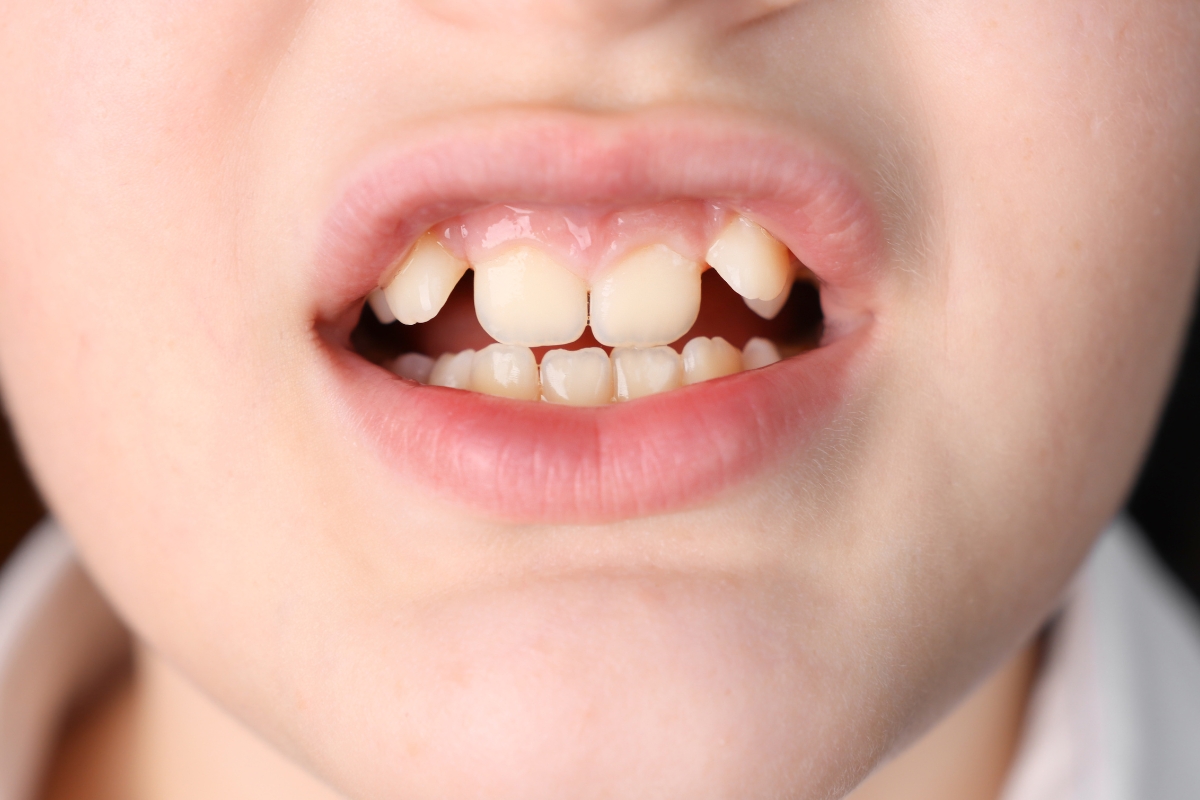
- A noticeable gap between the front teeth
- Food getting stuck easily
- Trouble brushing properly
Some kids may also drool more than usual or have restless sleep. These signs don’t always mean a frenectomy is needed—but they’re worth checking out.
How a Frenectomy Can Help
When a tight frenum is clearly causing problems, releasing it can make a real difference.
- Feeding becomes easier: Babies often latch better and feed more comfortably
- Speech improves over time: Kids can form sounds more naturally
- Oral hygiene gets better: It becomes easier to clean teeth and gums
- Daily comfort increases: Less strain, less frustration
The goal isn’t just to “fix” something—it’s to make everyday functions smoother for your child.
When Should Parents Consider It?
A frenectomy may be suggested if:
- Feeding issues don’t improve with time
- Speech delays are noticeable
- Dental spacing or hygiene is becoming a concern
- Your child seems uncomfortable using their tongue or lips
The key here is not to jump to conclusions. A proper evaluation makes all the difference.
What Happens at the Dental Visit?
During your consultation, the dentist will take a close look at how your child’s mouth functions—not just how it looks.
They’ll:
- Ask about feeding, speech, and daily habits
- Check tongue and lip movement
- Explain whether the restriction is actually causing a problem
You’ll also have time to ask questions like:
- Is this necessary right now or can we wait?
- What kind of results should we expect?
- Are there other options to try first?
Are There Alternatives?
Yes, in some cases.
If the restriction is mild, your dentist might suggest:
- Simple oral exercises to improve movement
- Monitoring growth before deciding on treatment
Not every child needs a procedure, which is why a personalized approach is so important.
What the Procedure Is Like
If a frenectomy is recommended, the process is usually very quick.
- The area is numbed so your child stays comfortable
- A small tool or laser is used to release the tight tissue
- The entire procedure often takes just a few minutes
For younger children, extra care is taken to keep them calm and still.
Recovery: What Parents Can Expect
The good news is that recovery is usually smooth.
Most children:
- Return to normal activities quickly
- Experience only mild soreness
- Heal within a few days
You may be given simple aftercare instructions like gentle cleaning or small exercises to support healing.
Are There Any Risks?
Complications are uncommon, but it’s still important to be aware of them:
- Slight bleeding right after the procedure
- Temporary discomfort
- Low risk of infection
- Rare chance of tissue reattaching
Choosing an experienced provider greatly reduces these risks.
Final Thoughts
Hearing that your child might need a procedure can feel overwhelming—but a frenectomy is one of the more straightforward treatments in pediatric dentistry. When it’s truly needed, it can improve how your child eats, speaks, and maintains oral health.
If something doesn’t feel right, trust your instincts. Getting an expert opinion early can help you make a confident and informed decision for your child’s well-being in Wylie, TX.
Frequently Asked Questions
How do I know if my child really needs a frenectomy?
A proper exam is the only way to know for sure. Not all tongue or lip ties require treatment.
Is the procedure safe?
Yes, it’s considered very safe when performed by a trained dental professional.
Will my child be in pain afterward?
Most kids feel only mild discomfort, which goes away quickly.
How soon will we see changes?
Feeding improvements can happen quickly, while speech improvements may take more time.
Can the issue come back after treatment?
It’s uncommon, especially when aftercare instructions are followed properly.
If you’ve been noticing signs that something isn’t quite right, don’t wait—schedule an appointment today and get clear answers for your child’s needs.