


By Angel Smile Pediatric Dentistry
March, 2026
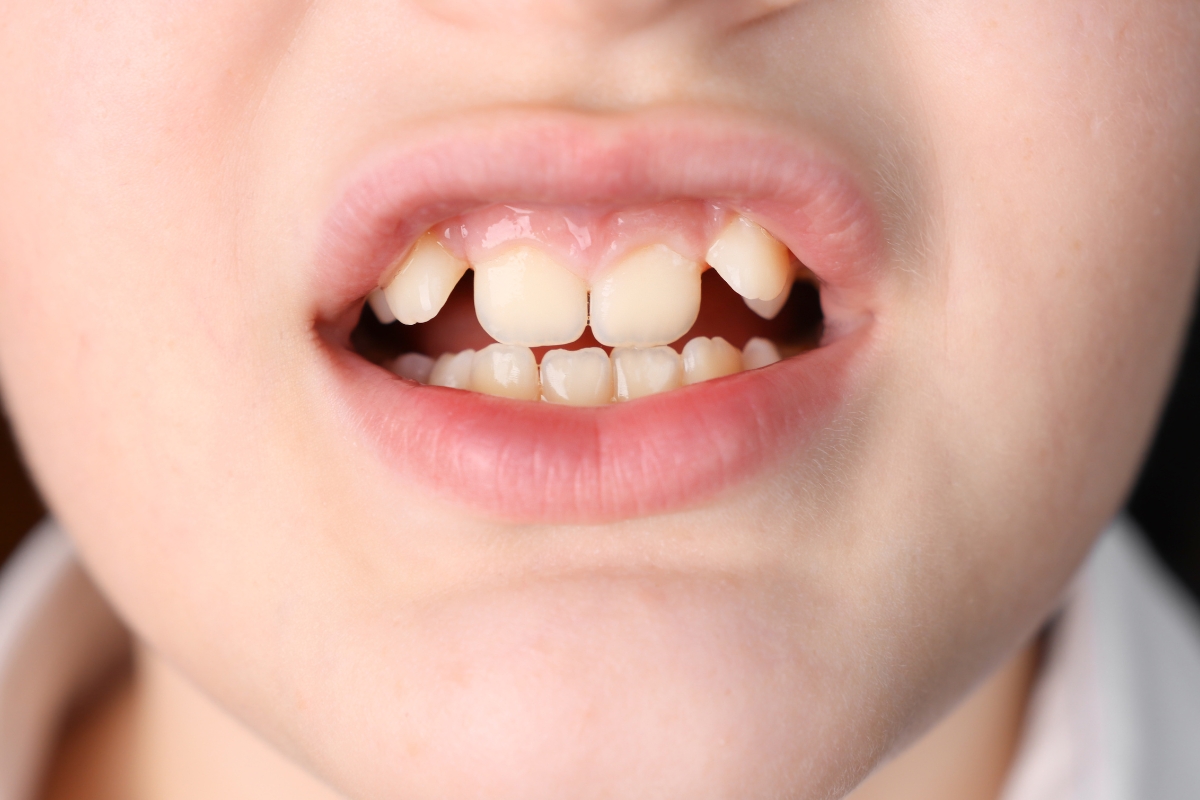
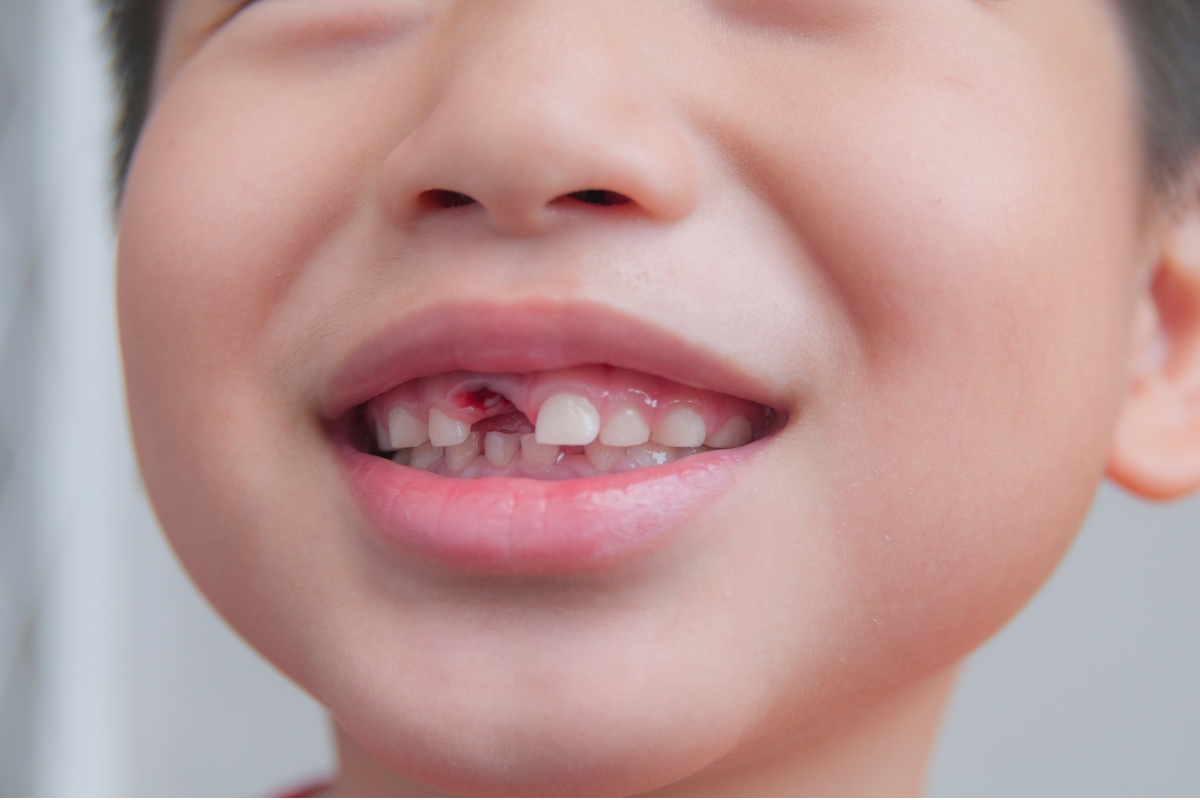
It can happen in seconds — a slip, a fall, and suddenly your child is holding their mouth, and you notice a broken front tooth. For parents, it’s a stressful moment, especially when it’s a permanent tooth that’s just come in. At around age 7, kids are still adjusting to their new adult teeth, so any damage can feel alarming.
Take a breath — while a broken tooth won’t grow back, there are reliable ways to fix it and protect your child’s smile.
Will the Tooth Grow Back?
Permanent teeth don’t regenerate once they’re damaged. Unlike baby teeth that eventually fall out and are replaced, adult teeth are meant to stay for life. So if one chips or breaks, it won’t “grow back” on its own.
The reassuring part is that dentistry today offers simple, effective ways to repair the tooth so it looks and functions normally again.
What Should You Do Right Away?
When a permanent tooth breaks, acting quickly really matters.
Call a Dentist As Soon As You Can
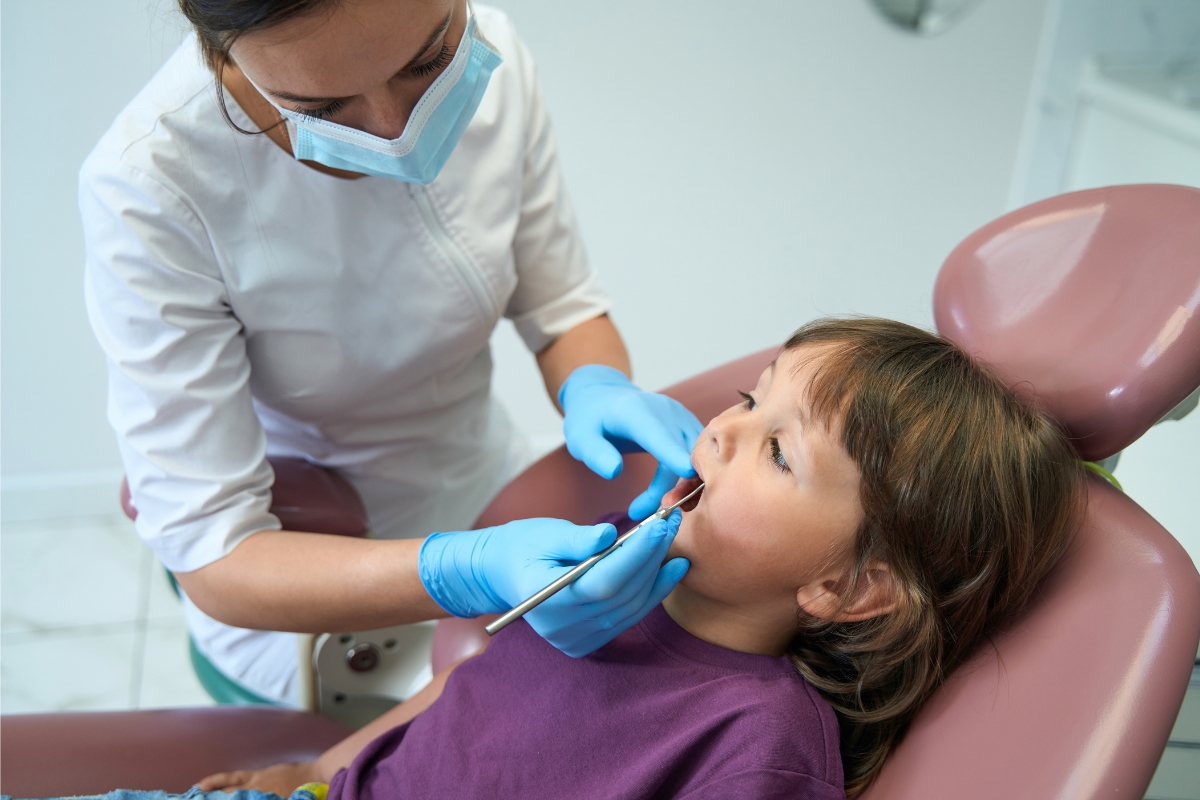
Getting your child seen promptly can make a big difference. A visit to a pediatric dentist Wylie TX ensures the injury is evaluated early and treated before complications like infection set in.
Look For the Broken Piece
If you’re able to find the fragment, pick it up carefully. Place it in milk or your child’s saliva to keep it moist. Avoid storing it in plain water. Bring it along to the dental visit — sometimes it can actually be reattached.
Help Your Child Stay Calm
It’s normal for kids to feel scared in this situation. Stay calm, comfort them, and let them know their tooth can be taken care of.
How Is a Broken Permanent Tooth Treated?
Treatment depends on how much of the tooth is affected and whether the inner nerve is involved.
Dental Bonding
For small chips or surface damage, bonding is often the easiest fix. A tooth-colored material is applied and shaped to match the natural tooth. It’s quick, comfortable, and blends in well.
Dental Crown
If a larger portion of the tooth is missing, a crown may be the best option. This covers the remaining structure and protects it from further damage. Pediatric crowns are designed to be strong and long-lasting.
Pulpectomy (Child Root Canal)
If the break reaches the inner part of the tooth, where the nerve is located, a pulpectomy may be necessary. This treatment removes the damaged tissue, cleans the area, and seals it to prevent infection. A crown is usually placed afterward to restore strength.
Helping Your Child Recover at Home
After the injury, a few simple steps can help your child stay comfortable:
- Offer age-appropriate pain relief if needed
- Avoid hard or crunchy foods for a few days
- Encourage gentle brushing, being careful around the sore area
- Keep reassuring your child — emotional comfort matters just as much
Final Thoughts
Even though a broken permanent tooth won’t grow back, it can almost always be repaired successfully. With prompt care and the right treatment, your child’s smile can look just as good as before. The key is not to wait — early attention helps prevent bigger problems and leads to better results.
If your child has a dental injury, don’t delay—schedule an appointment with a trusted pediatric dentist in Wylie, TX and get the care they need right away.
FAQs About Broken Permanent Teeth in Children
Can a broken permanent tooth fix itself over time?
No, it won’t heal or regrow on its own. Dental treatment is needed to restore the tooth.
What does it mean if the tooth is very sensitive or painful?
This could indicate that the inner layer or nerve is affected. It’s important to have a dentist examine it quickly.
Can the broken piece really be reused?
Yes, in certain cases. If it’s kept moist and brought in quickly, the dentist may be able to bond it back in place.
What happens if we wait too long to see a dentist?
Delaying care can increase the risk of infection, pain, and more extensive damage.
How can I reduce the chances of this happening again?
Using a mouthguard during sports, avoiding hard foods like ice, and keeping up with regular dental visits can help protect your child’s teeth.