



By Angel Smile Pediatric Dentistry
April, 2026
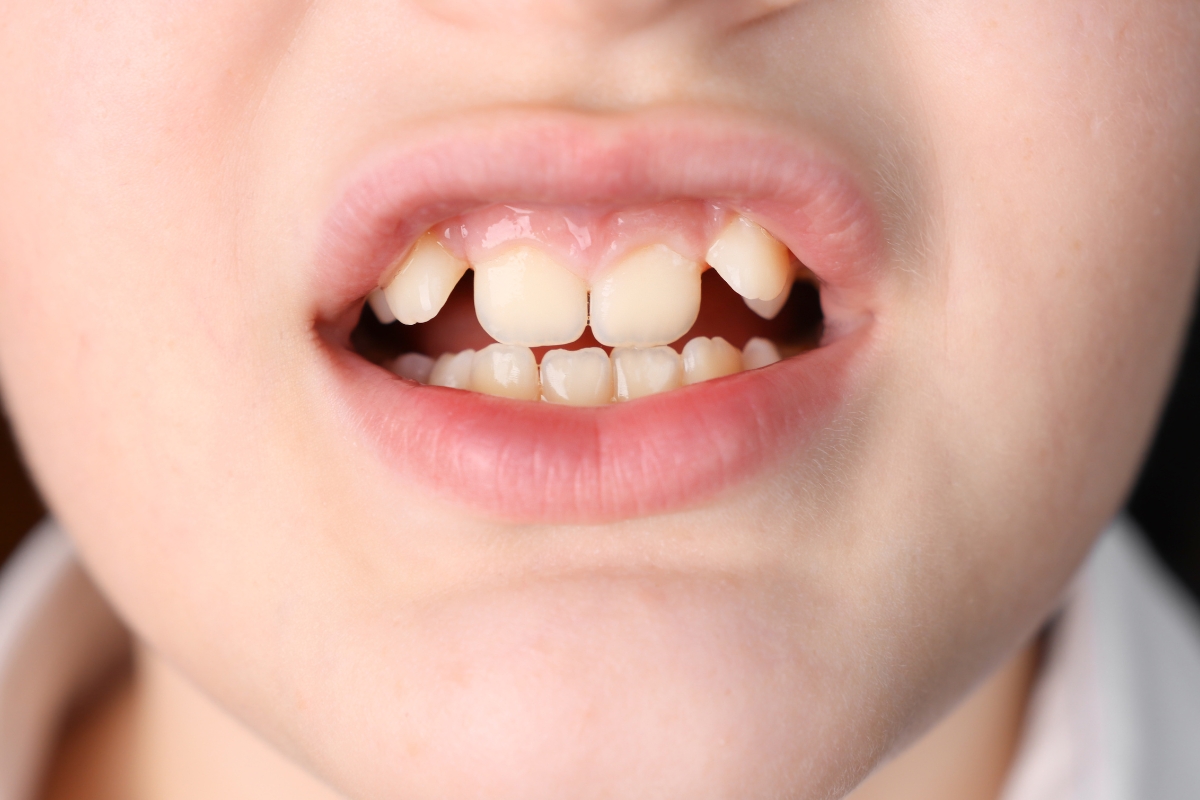
If you’ve ever caught a glimpse of your child’s smile and wondered why their teeth don’t look as white as you expected, you’re not alone. It’s a common concern among parents. The truth is, “perfectly white” teeth aren’t always the norm—especially for children. A slightly yellow tone can be completely natural, depending on how teeth grow and what your child is exposed to every day.
Instead of jumping to conclusions, it helps to understand what’s actually behind the color you’re seeing.
How Your Child’s Teeth Grow and Change
Teeth begin forming well before they appear in your child’s mouth. By the time babies are around six months old, the first tooth usually starts to show. Over the next couple of years, those teeth fill in until there are 20 baby teeth in place.
As children grow, these are gradually replaced by permanent teeth, starting around age six. One thing many parents notice is that these new teeth don’t match the bright white shade of baby teeth—and that’s completely normal. Adult teeth are naturally a bit darker because of what lies beneath the surface.
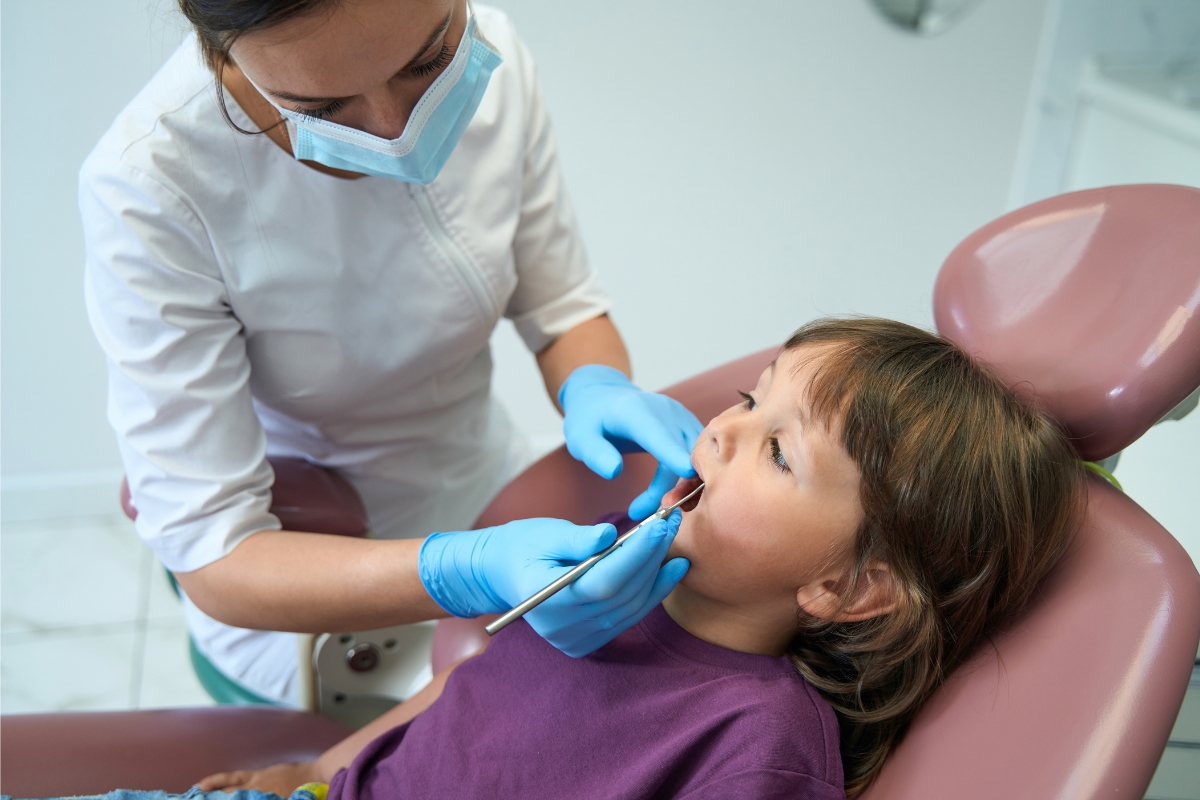
If you ever feel unsure about whether your child’s tooth color is typical, a children dentist Wylie at Angel Smile Pediatric Dentistry can help you understand what’s normal and what might need attention.
What Determines Tooth Color?
Teeth aren’t just one solid color. The outer layer, called enamel, is light in appearance, but underneath it is dentin, which has a yellowish tone. The thickness of enamel varies from person to person.
When enamel is thinner, more of that inner color shows through. This is one of the main reasons why some children’s teeth look more yellow even when they’re perfectly healthy.
Everyday Habits That Can Cause Yellowing
Food and Drinks Leave a Mark
Certain foods and drinks naturally contain pigments that can stick to the surface of teeth over time. This doesn’t happen overnight—it builds up gradually.
Common examples include:
- Dark fruits like blueberries and grapes
- Sweet drinks such as juice or soda
- Sticky candies and processed snacks
Sugar also contributes by helping plaque form more easily, which can trap stains and make teeth appear less clean.
Brushing Isn’t Always Enough Without Consistency
Even if your child brushes daily, how well and how often they brush matters. When brushing is rushed or skipped, plaque begins to build up. This layer can make teeth look dull or slightly yellow.
Children often need help with brushing longer than most parents expect. Until they have good control and technique, supervision is important to make sure every area gets cleaned properly.
Less Obvious Reasons Behind Yellow Teeth
Injuries to a Tooth
A fall or bump can sometimes affect the inside of a tooth. Over time, that tooth may change color, appearing darker than the others.
Natural Traits
Some kids are simply born with enamel that’s thinner or slightly different in tone. This isn’t something you can change, and it doesn’t mean their teeth are unhealthy.
Rare Dental Conditions
Conditions such as Dentinogenesis Imperfecta can affect how teeth look and feel. While uncommon, they do require professional care if present.
Signs That Shouldn’t Be Ignored
A mild yellow shade is usually harmless, but there are situations where it’s worth getting checked out.
Pay attention if you notice:
- Dark spots or patches on teeth
- Small holes or visible damage
- Complaints about pain or sensitivity
- No improvement despite good hygiene habits
These signs could point to something that needs treatment rather than just surface staining.
Helping Your Child Maintain a Healthy Smile
Build a Routine That Sticks
- Brush twice a day without skipping
- Use a toothbrush designed for children
- Help or supervise brushing when needed
Make Thoughtful Food Choices
- Keep sugary snacks occasional, not daily
- Encourage water instead of sugary drinks
- Add crunchy fruits and vegetables to meals
Stay Consistent With Dental Visits
Regular checkups do more than just clean teeth—they help catch small concerns before they turn into bigger ones.
What Can Be Done If Teeth Stay Yellow?
If the color doesn’t improve over time, there are safe ways to address it:
- A professional cleaning can remove buildup
- Polishing may improve the appearance of teeth
- Older children might be candidates for whitening—but only with dental advice
- If there’s an underlying issue, treatment will focus on that first
Avoid trying quick fixes at home, especially products not meant for children.
Final Thoughts
A child’s smile doesn’t have to be perfectly white to be healthy. In many cases, a slightly yellow tone is simply part of how teeth are naturally structured. What matters most is keeping those teeth clean, strong, and free from decay.
By staying consistent with daily care and being mindful of changes, you can feel confident that your child’s smile is on the right track.
Schedule an appointment with Angel Smile Pediatric Dentistry to get expert guidance and keep your child’s smile healthy and bright.
Frequently Asked Questions
Why do my child’s new teeth look more yellow than baby teeth?
Permanent teeth contain more dentin, which gives them a slightly darker tone compared to baby teeth.
Can brushing fix yellow teeth completely?
Brushing helps remove plaque and prevent staining, but natural tooth color may still vary.
Is yellowing always caused by poor hygiene?
No, it can also be due to genetics, enamel thickness, or normal development.
Should I be concerned about sudden discoloration?
Yes, especially if it happens after an injury or comes with pain—get it checked.
Are whitening products safe for kids?
Most are not recommended without professional advice, especially for younger children.
How can I help prevent staining?
Encourage good brushing habits, limit sugary foods, and keep up with dental visits.