



By Angel Smile Pediatric Dentistry
November, 2026
Many parents in Wylie wonder when to take away their child’s pacifier. It seems like a small decision, but the timing truly matters. Understanding why early intervention with pacifiers prevents costly dental problems later can save your child from years of orthodontic treatment. The good news is that with the right guidance, most pacifier-related dental issues are completely preventable.
How Pacifiers Affect Your Child’s Developing Teeth
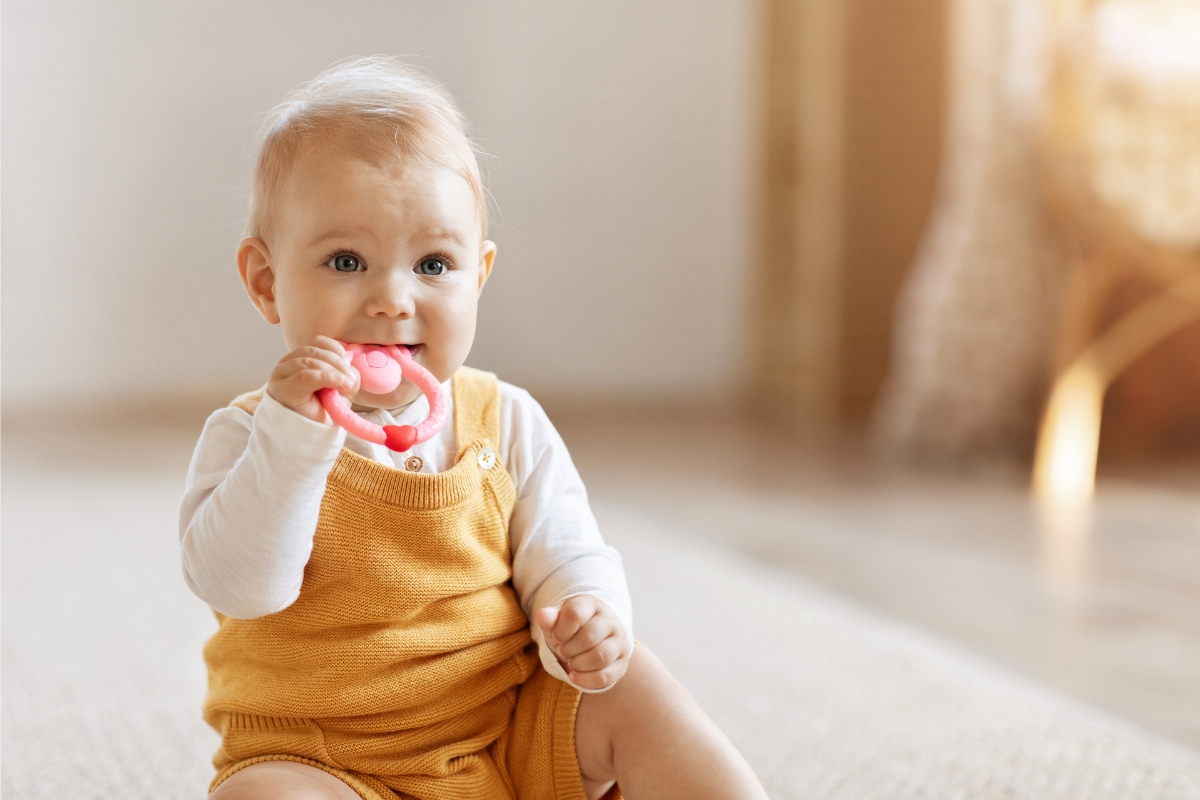
Pacifiers provide real comfort to babies and young toddlers. They can reduce fussiness and even lower the risk of SIDS in infants. However, prolonged pacifier use puts constant pressure on developing teeth and jaw bones. This pressure can redirect how teeth grow and how the jaw forms over time.
When a child uses a pacifier past age two or three, certain dental changes begin to appear. The upper front teeth may begin to flare outward. The lower teeth may lean inward toward the tongue. These shifts can create an open bite, where the upper and lower teeth do not touch when the mouth is closed.
The jawbone itself is still soft and moldable during early childhood. Repeated pacifier use reshapes this soft bone in unwanted ways. Catching these patterns early gives the jaw a chance to correct itself naturally. Waiting too long removes that window of opportunity.
Signs That Pacifier Use Is Affecting Your Child’s Smile
Not every child who uses a pacifier will develop dental problems. However, certain signs suggest that intervention is needed sooner rather than later. Parents in Wylie should watch for these warning signs during their child’s routine dental visits.
- A gap between the upper and lower front teeth when the mouth is closed
- Upper front teeth that visibly flare outward or angle forward
- A narrow upper arch or pinched-looking roof of the mouth
- Difficulty biting into foods with the front teeth
- Speech issues such as a lisp or difficulty with certain sounds
- The child favoring chewing on one side of the mouth
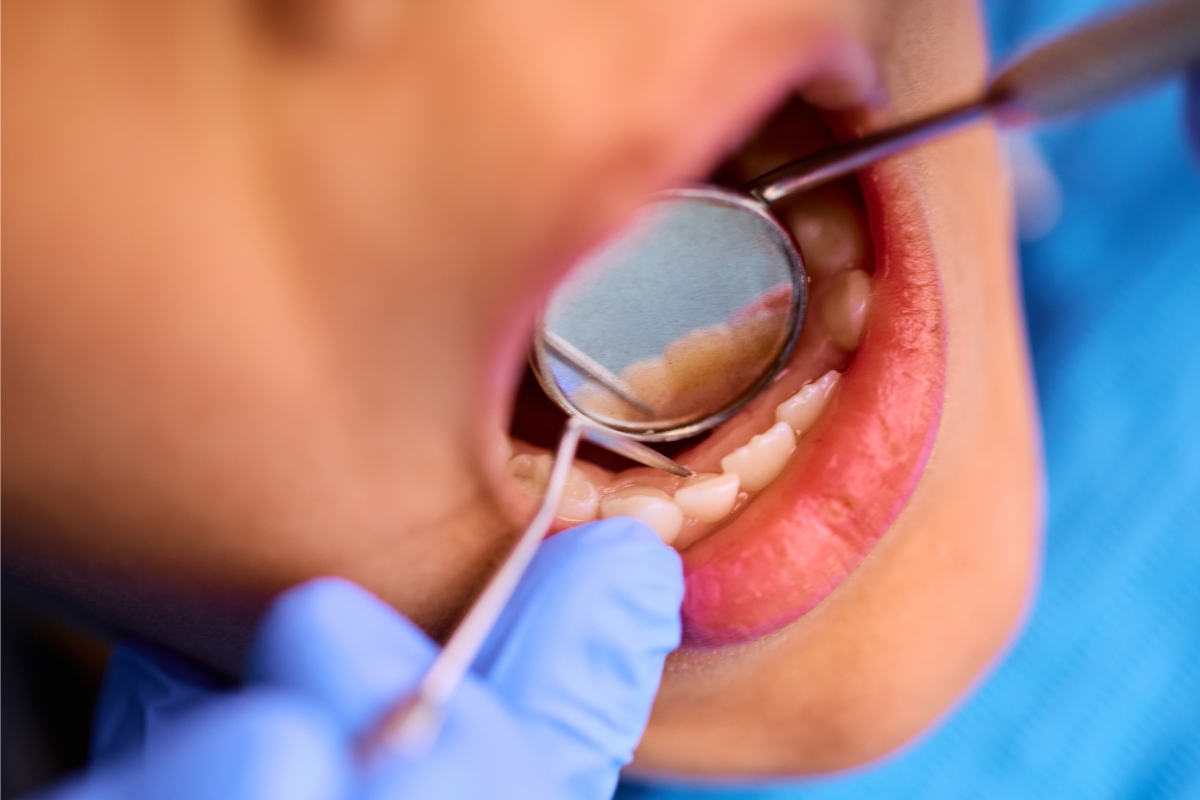
Some of these changes happen gradually and are easy to miss at home. That is exactly why regular pediatric dental checkups are so important. A trained pediatric dentist spots these shifts early, when they are easiest to address.
Why Early Intervention With Pacifiers Prevents Costly Dental Problems Later
The earlier a habit is addressed, the less damage it causes. Children’s mouths are remarkably adaptable before age three. If pacifier use stops before this age, the jaw and teeth often self-correct without any treatment needed. After age four or five, self-correction becomes far less likely.
Delayed action leads to bigger problems down the road. Children who continue using pacifiers past age four are much more likely to need orthodontic treatment. Braces, expanders, and retainers come with significant time and financial commitments. Preventing these needs through early habit weaning is always the better path.
Beyond orthodontics, misaligned teeth are harder to clean properly. Crooked or crowded teeth trap food and bacteria in hard-to-reach spots. This increases the risk of cavities and gum issues as your child grows. Protecting tooth alignment early also protects long-term oral health.
Preventive care like dental sealants can help protect vulnerable teeth while you work on weaning habits. These sealants shield the chewing surfaces of back teeth from decay. They are a simple, painless addition to your child’s preventive care routine.
Practical Strategies to Help Your Child Stop Using a Pacifier
Weaning a child from a pacifier does not have to be a battle. A calm, gradual approach works best for most toddlers. The goal is to make the transition feel natural and empowering rather than punishing.
- Start limiting use by location: Allow the pacifier only in the crib or bedroom, not in public or during play.
- Reduce duration gradually: Shorten the time your child uses it each day over several weeks.
- Offer comfort alternatives: A favorite stuffed animal or blanket can replace the soothing role of a pacifier.
- Praise and celebrate progress: Positive reinforcement builds your child’s confidence during the transition.
- Use a weaning story: Some parents find success telling a story about the pacifier going to babies who need it more.
- Avoid cold turkey if your child is anxious: Sudden removal can increase stress and delay the process further.
If your child struggles significantly with weaning, speak with your pediatric dentist. They can offer age-appropriate strategies tailored to your child’s specific temperament. In some cases, a dental appliance can help break the habit more effectively.
When to Visit the Dentist About Pacifier Habits in Wylie
The American Academy of Pediatric Dentistry recommends a child’s first dental visit by age one. These early visits are perfect for discussing pacifier habits before they cause lasting damage. Your dentist tracks your child’s bite and jaw development at every appointment.
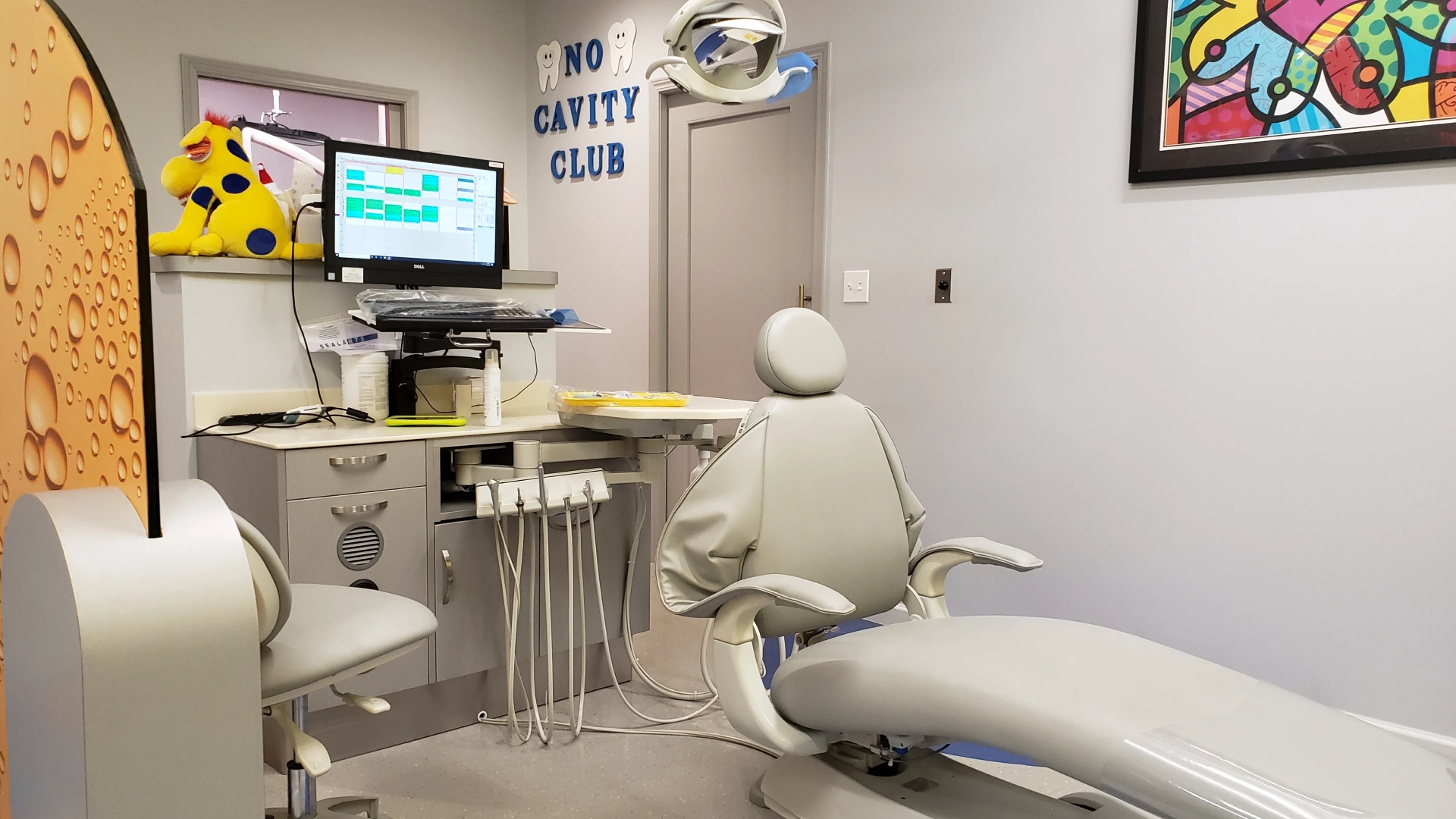
If your child is already showing signs of dental changes from pacifier use, do not panic. Many early shifts can still be managed with timely intervention. The pediatric dental team at Angel Smile Pediatric Dentistry serves families throughout Wylie with compassionate, child-friendly care.
In cases where a tooth is injured during play or a dental emergency arises, prompt action is also critical. Families dealing with unexpected tooth problems can rely on emergency dental care to protect their child’s smile quickly. Timely responses to emergencies preserve teeth and reduce future complications.
Bringing your child in for a consultation gives you a clear picture of where things stand. The dentist can show you exactly what changes are occurring and what steps to take next. Knowledge is always the most powerful tool a parent has.
Final Thoughts
Taking action early is always the smartest choice for your child’s smile. Families throughout Wylie trust Angel Smile Pediatric Dentistry to guide them through every stage of their child’s oral health journey. Contact now to schedule your appointment with our team.
Frequently Asked Questions
At what age should my child stop using a pacifier?
Most pediatric dental experts recommend stopping pacifier use by age two to three. Ending the habit before age three gives the jaw and teeth the best chance to self-correct. The longer use continues beyond this window, the greater the risk of lasting dental changes.
Can pacifier damage to teeth be reversed without braces?
In many cases, if the habit is stopped early enough, the teeth and jaw shift back toward normal alignment on their own. This natural correction is most likely in children under three years old. Older children may require orthodontic evaluation to determine the best path forward.
Is thumb sucking worse than using a pacifier?
Both habits can affect tooth alignment and jaw development. However, pacifier use is generally considered easier to stop because the parent controls access to the pacifier. Thumb sucking can be harder to address since the child has direct access at all times. Both habits should ideally stop before age three.
How do I know if my child’s bite has been affected?
Signs include a visible gap between upper and lower front teeth, front teeth that angle forward, or difficulty biting into certain foods. A pediatric dentist can assess your child’s bite during a routine checkup. X-rays and visual exams help identify even subtle changes early on.
What can Angel Smile Pediatric Dentistry do to help with pacifier-related dental issues?
Our team evaluates your child’s bite and jaw development at every visit. We provide personalized guidance on habit weaning strategies that work for your child’s age and temperament. If dental changes are present, we outline a clear, step-by-step plan to address them early and effectively.