



By Angel Smile Pediatric Dentistry
November, 2025
If your child winces while brushing or avoids cold foods, you already know how hard it can be to watch them feel uncomfortable. Tooth sensitivity in kids often feels unexpected for parents, especially when you’re already trying to build healthy habits. Whether you’re in a growing community like Wylie, TX or anywhere in the U.S., many families face the same concern: What can I do today that will make brushing easier for my child?
In this guide, we’ll break down what matters most when choosing toothpaste, how to support enamel care at home, and when it’s time to talk with a pediatric dentist in Wylie for more personalized guidance.
Understanding Tooth Sensitivity in Kids
Children can develop sensitivity for a few different reasons. Some experience enamel erosion from acidic foods or frequent snacking, while others may brush too hard without realizing it. Data from pediatric oral health surveys in the U.S. suggests that enamel thinning is becoming increasingly common as children’s diets shift toward higher-acid beverages.
Common Causes of Sensitivity
- Early enamel wear
- Tiny chips or developmental enamel issues
- Nighttime grinding
- Gum recession caused by aggressive brushing
- Newly erupting teeth, which can feel naturally sensitive
Before choosing a toothpaste, it helps to understand why your child’s teeth feel tender. A toothpaste that supports enamel care can make a noticeable difference in comfort over time.
What to Look for in Kids’ Sensitive Toothpaste
When choosing a kids sensitive toothpaste, gentle ingredients matter. Look for a formula that soothes sensitivity while protecting developing enamel.
Key Ingredients
- Fluoride – Strengthens enamel and reduces sensitivity over time
- Potassium nitrate or similar agents – Helps block pain signals in sensitive teeth
- Gentle formula – Free of harsh abrasives to avoid extra irritation
- Flavor your child likes – Encourages consistent brushing
A well-formulated fluoride toothpaste supports both cavity prevention and sensitivity relief. Many parents find that switching to a mild, low-abrasion product helps within a few weeks.
How Kids’ Sensitive Toothpaste Supports Enamel Care
Enamel in children is naturally thinner than adult enamel, which means it needs consistent support. Sensitive toothpaste made for kids typically includes ingredients that strengthen the surface layer while calming nerve responses.
Data-Based Insight
Studies from U.S. pediatric dental groups show that children who use fluoride toothpaste twice daily reduce enamel loss by up to 30%, especially when paired with soft-bristled brushing. This makes toothpaste choice more important than many parents realize.
Benefits of Sensitive Toothpaste
- Creates a barrier that protects weakened enamel
- Reduces discomfort during brushing
- Supports cavity prevention
- Helps kids maintain brushing habits
- Encourages relaxed eating and drinking
If tooth sensitivity disrupts your child’s routine, selecting the right toothpaste is one of the simplest and most effective steps you can take at home.
Best Toothpaste Types for Kids With Sensitive Teeth
Fluoride Toothpaste With Sensitivity Relief
Most pediatric dentists recommend daily fluoride toothpaste for enamel support. When paired with sensitivity-specific agents, it balances comfort and long-term protection.
Low-Abrasive Toothpaste
Some whitening toothpastes contain abrasive ingredients that are too harsh for kids. A sensitive-safe, low-abrasion formula keeps enamel strong.
Gentle Formula Toothpaste With Mild Flavors
Mint may feel too intense for younger kids. Berry or light fruit flavors can make brushing a smoother experience.
Toothpaste Approved by Reputable Organizations
For assurance of safety and effectiveness, check for products reviewed or recognized by organizations like the American Dental Association.
Daily Habits That Support Sensitivity Relief
Even the best toothpaste works better when paired with healthy brushing habits.
Simplify Your Routine
- Use a soft-bristled brush
- Brush gently for two minutes
- Replace toothbrush heads every 3 months
- Limit acidic drinks like citrus juices
- Offer water between meals to neutralize acids
Families in places like Wylie often have active schedules. Creating a simple, consistent morning and bedtime routine helps ensure your child gets the most benefit from their toothpaste.
When to See a Pediatric Dentist
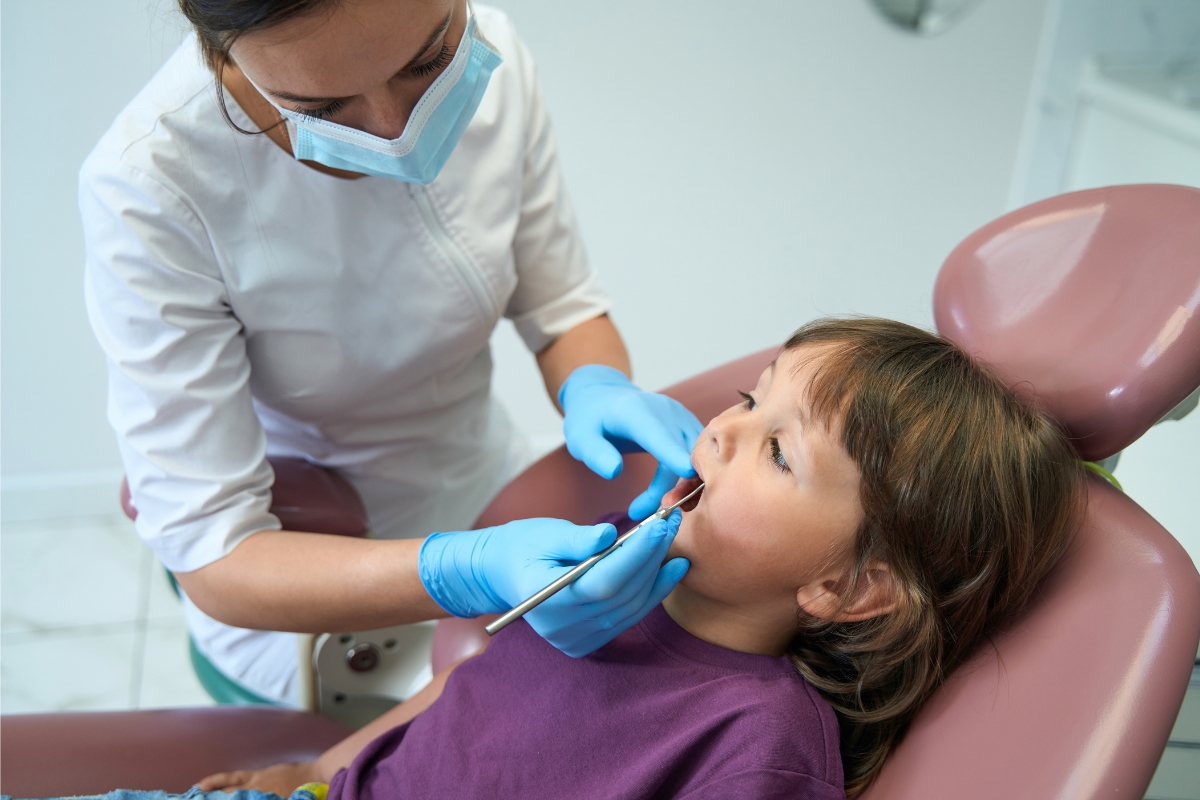
If sensitivity lasts more than one to two weeks, a Wylie pediatric dentist can evaluate whether your child has enamel issues, early cavities, or other concerns that need attention. Many families feel relieved once they understand the exact cause.
You may contact us if your child:
- Avoids brushing
- Frequently mentions discomfort
- Reacts strongly to cold foods
- Has visible enamel wear
- Recently chipped a tooth
Frequently Asked Questions
Is kids’ sensitive toothpaste safe for daily use?
Yes. Most products formulated for children are safe for everyday brushing when used with the recommended pea-sized amount.
How long does it take to see improvement?
Parents often notice reduced discomfort within one to two weeks with consistent use.
Does my child still need fluoride toothpaste if they have sensitivity?
Absolutely. Fluoride helps strengthen enamel and plays an important role in long-term protection.
Can sensitive toothpaste prevent cavities?
While it supports enamel care, cavity prevention still depends on brushing technique, routine, and diet.
Should I avoid whitening toothpaste for sensitive kids?
Yes. Whitening toothpaste is often too abrasive for young enamel and can worsen sensitivity.
Final Thoughts
Choosing the best toothpaste for a child with sensitive teeth starts with understanding their enamel needs and finding a gentle formula that supports comfort. With the right daily habits and guidance from a trusted pediatric dentist, your child can feel more comfortable and confident during brushing. If sensitivity continues, it may be time to schedule an appointment so your child gets care tailored to their needs.