


By Angel Smile Pediatric Dentistry
September, 2026
“Do I have to go to the dentist?”
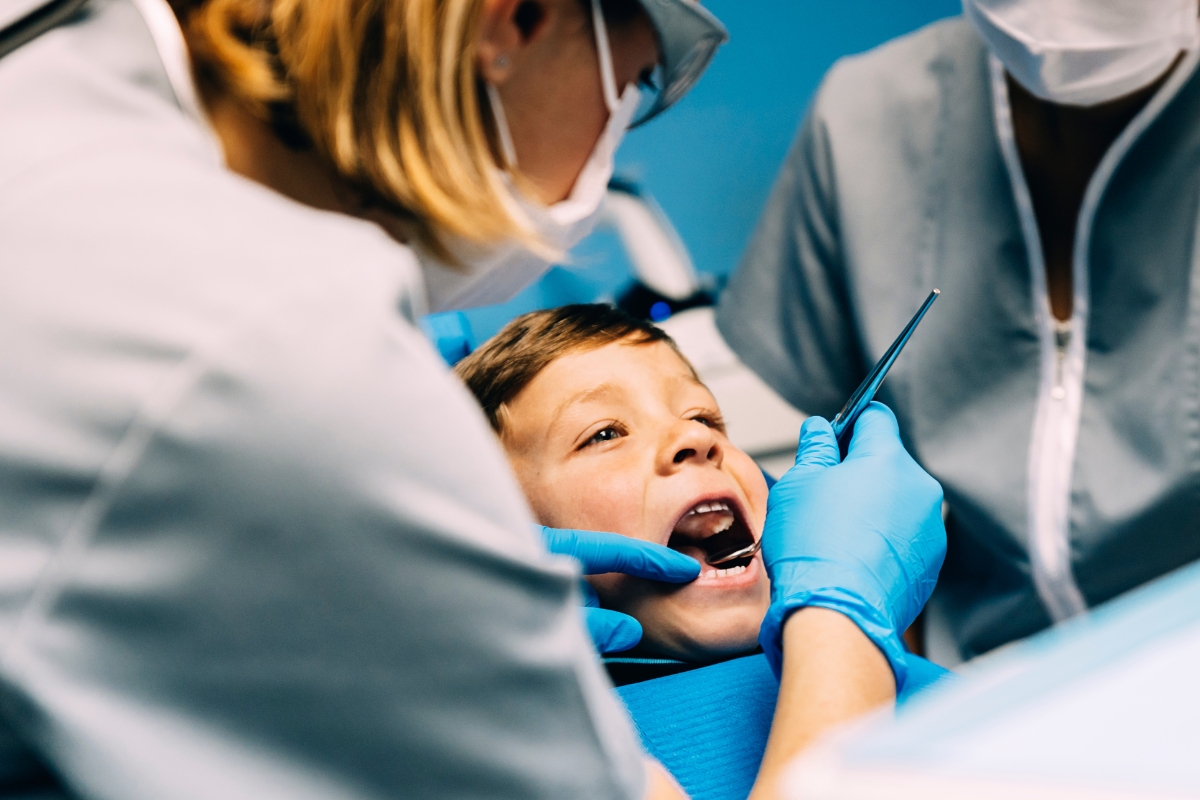
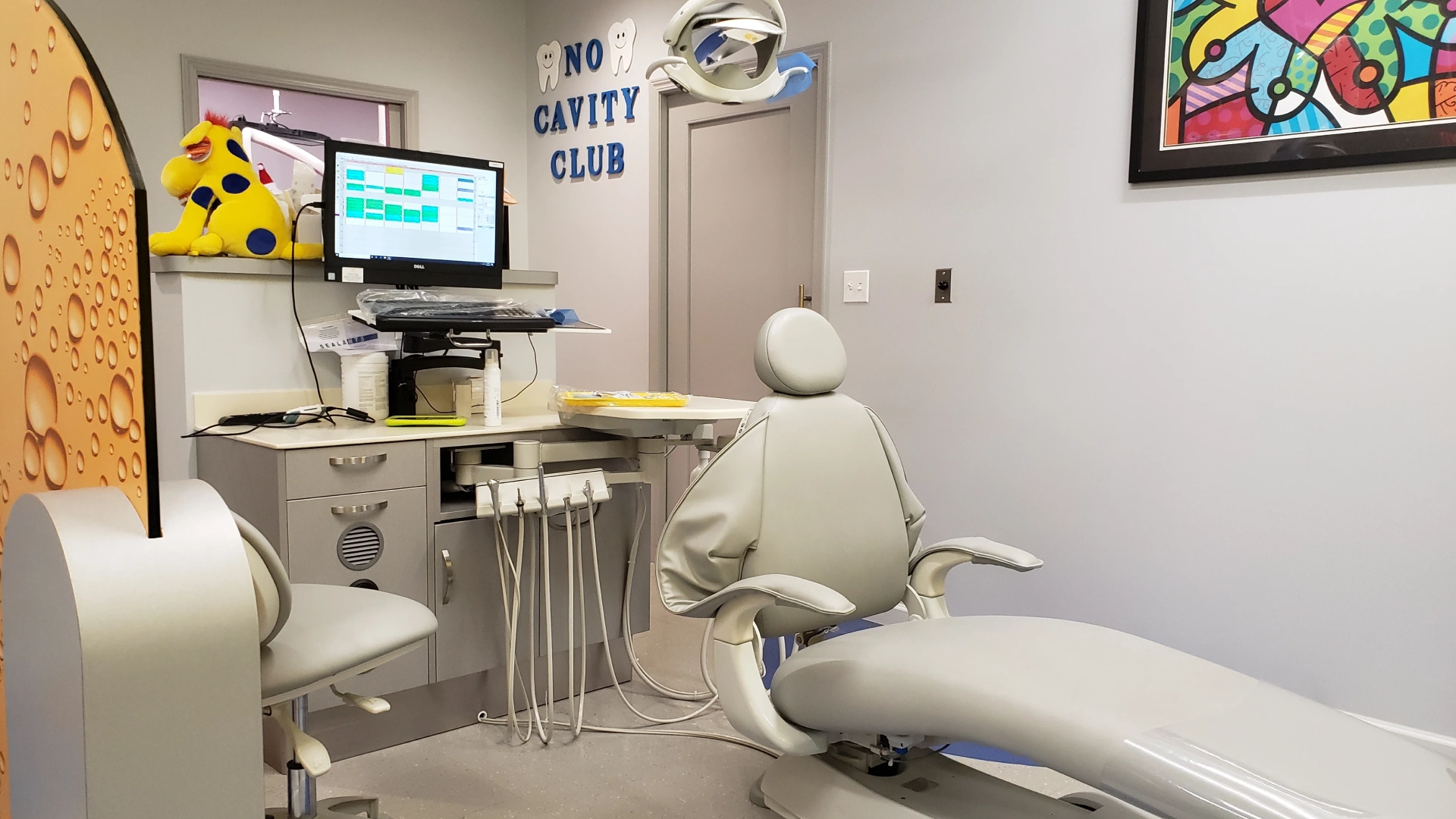
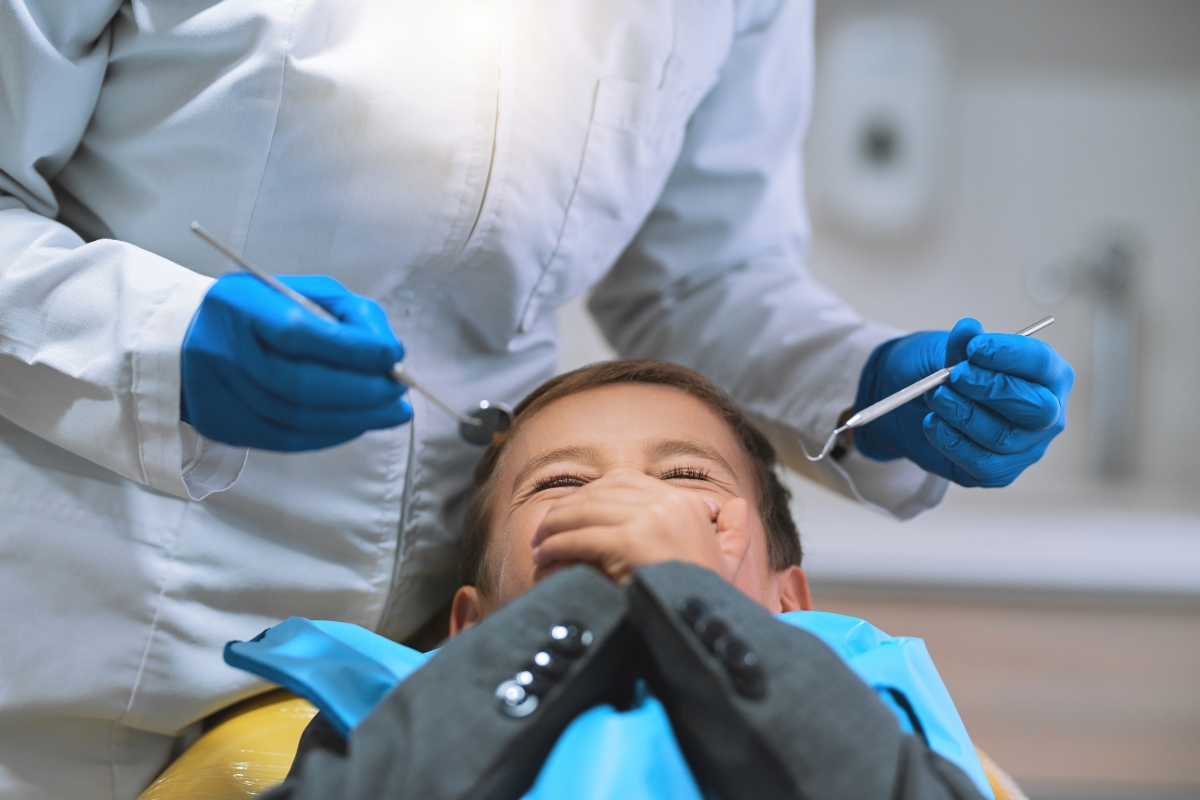
It is a question many parents hear when a dental appointment is coming up. Some children are simply unsure about what will happen. Others may become upset before they even reach the office. The sounds, smells, dental chair, and unfamiliar surroundings can feel like a lot for a young child to take in at once.
This is where sedation dentistry for children may become part of the conversation.
Sedation is not something every child needs, and being nervous does not automatically mean a child should receive it. For certain children and certain procedures, though, it may help make an otherwise difficult appointment easier to manage.
For parents in Wylie, TX, the bigger question is often not just, “Will sedation help?” It is, “What will my child actually experience?” Understanding that difference can make the decision much easier to discuss with a pediatric dental team.
Why Some Dental Visits Feel Difficult for Children
Adults can usually understand why a dental procedure is necessary and remind themselves that the appointment will eventually be over. Young children do not always have that perspective.
A child may worry about a sound they have never heard before. They may dislike having someone work inside their mouth. Another child may have had one uncomfortable appointment and now expect every visit to go the same way.
Sometimes the challenge is not fear at all.
A preschooler may simply have trouble sitting still for a long appointment. A child with sensory sensitivities may find the lights, sounds, or physical sensations uncomfortable. An older child may feel embarrassed about being nervous.
These situations can look very different from one child to another. That is why dental anxiety in children is usually better addressed by looking at the individual child rather than assuming there is one solution.
What Can Change When Sedation Is Used?
When sedation is appropriate, the experience may feel different for the child and the parent.
A child who was previously tense may become more relaxed. A child who struggled to cooperate may be able to tolerate treatment more easily. Parents may also feel less pressure because they are no longer trying to convince a frightened child to get through every step of the appointment.
That does not mean the child will have no awareness of the appointment or that every child will respond in exactly the same way. The result depends on the type of sedation, the child’s individual response, and the treatment being performed.
A Nervous Child May Be Able to Settle Down
Imagine a child who becomes upset as soon as the dental chair comes into view. If fear continues to build, even simple instructions can become difficult to follow.
For an appropriate candidate, sedation may help lower that level of distress. The child may feel calmer and better able to tolerate what is happening around them.
This can be particularly useful when anxiety has previously prevented necessary dental care from being completed.
Staying Comfortable Can Become Easier
Some procedures require more time than a child expects. Even a cooperative child can become restless after sitting in one position for a while.
When a child is already anxious, that restlessness can make the appointment harder.
One of the potential benefits of sedation dentistry for children is that it may make it easier for some patients to remain comfortable while the dental team completes the planned treatment.
Of course, sedation is only one part of the picture. Appropriate pain control, communication, breaks when possible, and a child-friendly approach still matter.
The Appointment May Not Feel Like Such a Big Event
A difficult dental appointment can stay in a child’s mind long after leaving the office.
A calmer experience may help prevent the appointment from becoming another frightening memory. Over time, positive dental experiences can help a child become more comfortable with regular checkups and treatment.
That is especially important because children are likely to need dental care throughout childhood and into adulthood. Helping them develop a reasonable level of comfort around dental visits can be useful well beyond one appointment.
Which Children May Be Considered for Sedation?
There is no checklist that says every child with dental fear should receive sedation.
A dental provider may consider it when a child’s anxiety is making treatment particularly difficult, when the child cannot reasonably cooperate for the planned procedure, or when a substantial amount of dental work needs to be completed.
A child’s age and developmental stage may also be relevant.
For example, asking a very young child to remain still for an extended procedure may be unrealistic even when the child is trying to cooperate. Another child of the same age may handle the appointment quite well.
Medical history matters as well. Before recommending a sedation approach, the dental team should review information that could affect whether it is suitable for the child.
What Are the Different Sedation Options for Children?
Parents may hear several terms when discussing pediatric dental sedation. These approaches are not interchangeable, and they can produce different levels of relaxation or sedation.
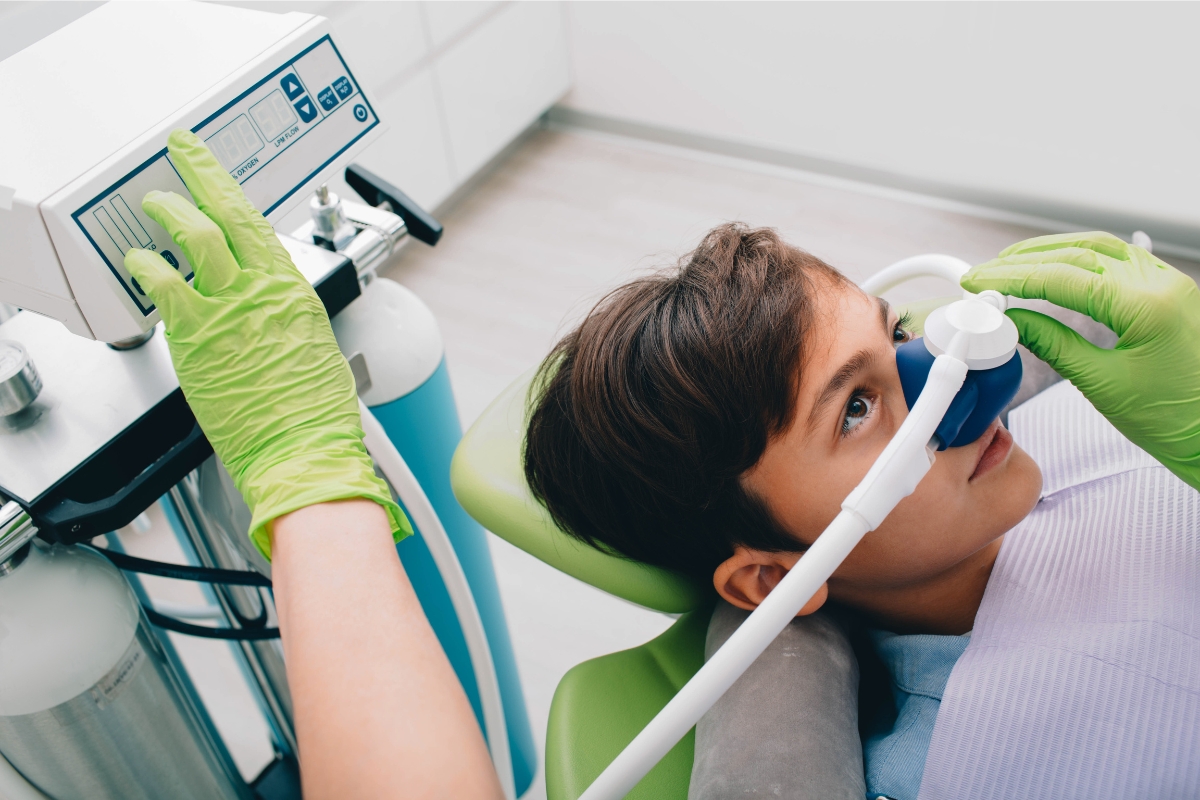
One commonly discussed option is nitrous oxide and oxygen. A child breathes the mixture through a small mask and may feel more relaxed while remaining responsive.
Other medications can be used for different situations. The choice depends on the child’s health, age, weight, anxiety, treatment needs, and the level of sedation being considered.
Parents should not feel uncomfortable asking very specific questions. It is reasonable to ask what medication will be used, why it has been recommended, how the child will be monitored, and what recovery should look like.
What Can Parents Do Before the Appointment?
Parents cannot control every part of a child’s reaction, but they can influence how the appointment is introduced.
Keep the Conversation Calm
There is no need to give a child a long explanation about everything that might happen.
Simple language is often easier to understand. Let the dental team explain procedures in an age-appropriate way, and answer your child’s questions honestly.
It can also help to avoid phrases that unintentionally make children more worried, such as “It won’t hurt at all” or “Don’t be scared.”
Instead, let your child know that the dental team will help them stay comfortable and that it is okay to tell an adult if something feels uncomfortable.
Follow the Dental Team’s Instructions
Depending on the planned sedation, parents may receive instructions about food, drinks, medications, transportation, and what to bring to the appointment.
Those instructions should be followed exactly. If something is unclear, ask before the appointment rather than making assumptions.
Share Details About Previous Experiences
Tell the dental team if your child has had a particularly difficult dental visit before.
A small detail that seems unimportant to a parent may actually help the provider understand why a child is anxious.
It is also important to mention medications, allergies, health conditions, and any previous problems with sedation or anesthesia.
What Is Recovery Like?
The appointment does not necessarily end when the dental treatment is finished.
Depending on the sedation method, a child may be tired, sleepy, or less coordinated for some time afterward. This is why parents should plan ahead rather than expecting their child to immediately return to a normal routine.
The dental team should explain what to expect at home and provide instructions for eating, drinking, activity, and supervision.
If something seems unusual after the appointment, parents should contact the dental provider for guidance rather than trying to determine on their own whether a reaction is normal.
Does Sedation Solve Dental Anxiety Permanently?
Not necessarily.
This is an important distinction for parents to understand.
Sedation may help a child get through a particular appointment, but it does not automatically change how the child feels about dental care in the future.
A child may still benefit from gradual exposure to the dental environment, positive reinforcement, friendly communication, distraction, and regular visits that are not associated with major treatment.
Think of sedation as one possible piece of a larger plan.
The long-term goal is not simply to get through one difficult appointment. Ideally, children can gradually become more comfortable sitting in the dental chair and understanding that dental visits are a normal part of taking care of themselves.
Finding the Right Approach in Wylie, TX
Parents in Wylie have plenty to think about when a child is struggling with dental visits. Maybe the child has cried through previous appointments. Maybe a long procedure is coming up. Or perhaps the child is young enough that sitting still for treatment is simply difficult.
A conversation with a pediatric dental team can help clarify what is actually causing the difficulty.
Families searching for a children sedation dentist Wylie option can discuss their child’s behavior, previous experiences, treatment needs, and possible sedation options with Angel Smile Pediatric Dentistry. The conversation should be specific to the child rather than based on what worked for another family.
Sometimes the best approach may involve sedation. Sometimes another form of behavior guidance may be enough. In either case, parents deserve to understand why a particular approach is being considered.
A Calmer Dental Experience Starts With Understanding Your Child
There is no universal answer when a child struggles with dental care.
One child may need only a little encouragement. Another may need extra time and patience. Someone else may benefit from sedation because anxiety, age, developmental needs, or the amount of treatment makes a routine approach difficult.
The important thing is to understand why the child is struggling and discuss the available options with a pediatric dental professional.
For families in Wylie, TX, an open conversation with the dental team can help take some of the uncertainty out of the process and make future visits feel more manageable. Schedule an appointment with Angel Smile Pediatric Dentistry today.
Frequently Asked Questions
Is sedation necessary when a child is nervous about the dentist?
Not always. Mild nervousness is common among children and may be managed with reassurance, communication, distraction, or other behavior guidance techniques. Sedation may be considered when anxiety or other factors make necessary treatment particularly difficult.
Will my child be completely asleep?
That depends on the type and level of sedation being used. Some forms allow a child to remain awake and responsive. Parents should ask the dental provider what level is planned and what their child is likely to experience.
Does sedation mean my child will not feel anything?
Sedation and pain control are not necessarily the same thing. Depending on the procedure, other methods may be used to manage discomfort. Parents should ask how both anxiety and pain will be addressed during treatment.
How should I prepare my child for the appointment?
Keep explanations simple, remain calm, and follow the dental team’s instructions about food, drinks, medications, and arrival. Avoid making promises about exactly how the appointment will feel.
Can sedation help a child have better future dental visits?
It may help some children have a calmer experience, but sedation alone does not remove dental fear. Building familiarity and trust with the dental team can also be important for future appointments.