


By Angel Smile Pediatric Dentistry
November, 2026
When a child undergoes dental treatment with sedation, parents often feel relieved that the procedure is over. But once they get home, another question comes up: What should my child eat? It is natural to worry about choosing the wrong food, especially when your little one feels tired, has a numb mouth, or complains about mild discomfort.
Knowing what to eat after dental sedation can make recovery easier and help prevent unnecessary irritation or choking risks. The right food choices depend on the type of sedation, the dental procedure, and how quickly your child becomes fully alert.
For families in Wylie, TX, understanding these aftercare steps can make the hours following a dental visit less stressful. Whether your child received treatment for cavities or needed a more involved procedure, a little preparation can make mealtimes more comfortable.
At Angel Smile Pediatric Dentistry, parents can discuss their child’s recovery needs with a pediatric dental team familiar with treating children who require additional support during dental procedures. Choosing a children sedation dentist Wylie families can consult for clear aftercare instructions can also help parents feel more confident about their child’s recovery.
Let’s look at which foods are suitable, what to avoid, and when your child can safely return to their regular diet.
When Can Children Eat After Dental Sedation?
There is no single eating schedule that works for every child. The timing depends on the medication used, the level of sedation, and the treatment performed.
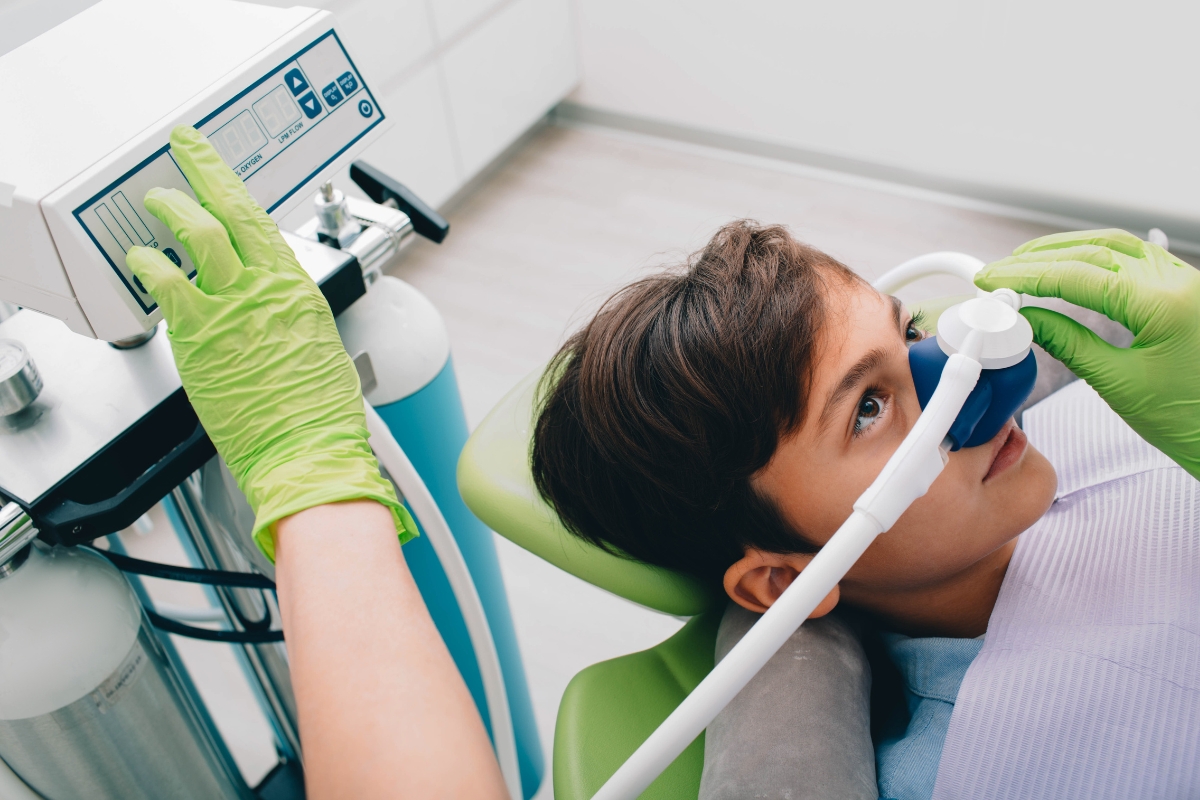
For example, nitrous oxide usually wears off quickly after the gas is stopped. Oral and IV sedation can take longer to wear off, while general anesthesia may require additional recovery time and monitoring.
Before offering food, make sure your child:
- Is fully awake and responding normally.
- Can sit upright without significant difficulty.
- Can swallow comfortably.
- Is not experiencing nausea or vomiting.
- Has regained normal sensation if local anesthesia was used.
Always follow the instructions provided by your child’s dental team. If your child remains unusually sleepy or has difficulty swallowing, do not offer food or drinks until a medical professional says it is safe.
Best Foods for Children After Dental Sedation
Once your child is alert enough to eat safely, start with small portions of gentle foods. Soft foods after dental sedation are generally easier to chew and swallow, particularly if the procedure involved fillings, extractions, or other treatments that leave the mouth tender.
Yogurt
Plain or lightly flavored yogurt is a convenient first food for many children. Its smooth texture requires little chewing, and it provides protein and calcium.
Choose yogurt without hard granola, nuts, or crunchy toppings. Avoid serving it too cold if your child experiences tooth sensitivity.
Applesauce
Applesauce is another easy option because children can eat it without much chewing. It has a smooth consistency and can be served in small spoonfuls.
Choose unsweetened varieties when possible to limit added sugar.
Mashed Potatoes
Soft mashed potatoes provide energy and are easy to swallow when prepared without hard pieces. Serve them lukewarm rather than hot.
You can add a little butter or milk if your child tolerates dairy products.
Scrambled Eggs
Once your child feels comfortable eating something more substantial, soft scrambled eggs can be a good choice. They provide protein without requiring much chewing.
Prepare them until tender and avoid adding crunchy ingredients.
Oatmeal
Well-cooked oatmeal has a soft consistency and can make a filling breakfast or snack. Let it cool before serving and keep the texture smooth.
Avoid adding nuts, seeds, or large pieces of fruit during the early recovery period.
Smoothies
A smooth fruit smoothie can help provide fluids and nutrients when your child does not feel like eating solid food.
However, avoid using a straw if your child has had a tooth extraction or another procedure that requires protecting a blood clot. Offer the smoothie in a cup or with a spoon instead.
Foods Children Should Avoid After Dental Sedation
Some foods can irritate healing tissues, become difficult to chew, or increase the risk of choking while a child is still recovering.
Here are some items to avoid until your dental team says they are appropriate:
| Food or drink | Why to avoid it |
|---|---|
| Chips and popcorn | Hard pieces may irritate the treatment area |
| Nuts and hard candy | Require substantial chewing |
| Chewy candy and gum | May stick to treated teeth |
| Very hot soup | Can burn a numb mouth |
| Spicy foods | May irritate sensitive tissues |
| Carbonated drinks | May cause discomfort for some children |
| Sticky foods | Can cling to teeth and dental work |
If your child received a tooth extraction, additional restrictions may apply. Avoid crunchy foods and follow any instructions about straws, rinsing, and foods that could disturb the extraction site.
How to Manage Your Child’s Diet During Recovery
A little planning can make the diet after pediatric dental sedation easier to manage.
Start With Small Portions
Do not pressure your child to finish a full meal immediately. Begin with a few spoonfuls of soft food and see how they respond.
If they tolerate it comfortably, gradually offer more as their appetite returns.
Keep Your Child Hydrated
Offer small sips of water once your child’s dental team confirms that drinking is safe. Proper hydration supports normal recovery.
If your child feels nauseated, avoid forcing large amounts of liquid at once.
Watch for Numbness
Local anesthetic can leave the lips, cheeks, or tongue numb for several hours. Children may accidentally bite themselves without realizing it.
Avoid hard or chewy foods until normal sensation returns. Parents should supervise younger children during meals.
Return to Regular Foods Gradually
Your child may be ready to eat normally once the sedation has worn off and any treatment-related tenderness has improved.
However, a child who has undergone an extraction or more extensive dental procedure may need to follow a soft-food diet for longer. Follow the specific recovery instructions rather than rushing back to regular meals.
When Should Parents Contact the Pediatric Dental Team?
Mild tiredness, temporary appetite changes, and some mouth tenderness may occur after dental treatment. However, certain symptoms require professional attention.
Contact your child’s dental team if you notice:
- Repeated vomiting or difficulty keeping fluids down.
- Persistent or increasing pain.
- Bleeding that does not stop according to the instructions provided.
- Unusual sleepiness that lasts longer than expected.
- Difficulty swallowing or drinking.
Difficulty breathing, blue or gray lips, or a child who cannot be awakened normally requires immediate emergency medical attention. Do not wait for a dental office to reopen.
If you have questions about eating restrictions after dental sedation for kids, contact your pediatric dental team before introducing foods you are unsure about. At Angel Smile Pediatric Dentistry, families in Wylie, TX, can discuss their child’s treatment and recovery needs and schedule an appointment for personalized pediatric dental care.
Frequently Asked Questions
Can my child eat immediately after dental sedation?
Not always. Your child should be fully awake, able to swallow normally, and cleared by the dental team before eating. The waiting period depends on the type of sedation and treatment received.
What are the best first foods after dental sedation for children?
Yogurt, applesauce, mashed potatoes, soft scrambled eggs, and well-cooked oatmeal are generally good options. Start with small portions and choose foods that require minimal chewing.
How long should my child eat soft foods after dental sedation?
It depends on the dental procedure. After simple treatments, children may return to their regular diet relatively quickly. Following extractions or more involved procedures, soft foods may be necessary for several days or as directed by the dental team.
Can my child drink milk after dental sedation?
In many cases, milk is fine once your child is fully alert and has permission to drink. However, follow any specific instructions related to nausea, vomiting, or the dental procedure.
What if my child does not feel hungry after sedation?
A temporary decrease in appetite can happen after sedation. Avoid forcing a meal. Once your child is fully alert, offer small amounts of water and gentle foods as permitted. Contact the dental team if your child cannot maintain hydration or continues refusing food and fluids.