

By Angel Smile Pediatric Dentistry
February, 2026
In many homes, mornings can be rushed. Kids are getting ready for school, parents are preparing for work, and sometimes small mix-ups happen—like someone grabbing the wrong toothbrush. While it might seem like a minor mistake, dentists usually recommend avoiding this habit.
A toothbrush is meant to remove plaque, food particles, and bacteria from your mouth. Once it has been used, the bristles can hold tiny microorganisms that are not visible to the eye. When another person uses the same toothbrush, those bacteria can easily transfer from one mouth to another.
For families with young children, this situation can happen more often than expected. Pediatric dental professionals often explain that even within the same household, toothbrushes should never be shared because every person’s mouth contains different types of bacteria.
Parents who visit a kid friendly dentist Wylie are often reminded that simple hygiene habits—like using your own toothbrush—play a big role in protecting children’s oral health. Teaching kids early on that their toothbrush is a personal item helps reduce the chance of spreading germs.
Why Sharing a Toothbrush Isn’t Recommended
At first glance, sharing a toothbrush might not seem dangerous. However, dental experts say it can lead to several oral health concerns.
Bacteria Can Transfer Between Mouths
Everyone has a unique mix of bacteria in their mouth. When a toothbrush is shared, those bacteria can pass directly from one person to another.
Viruses May Spread
If someone in the family has a cold, flu, or another infection, sharing a toothbrush can increase the chances of spreading those germs.
Increased Risk of Gum Problems
If one person has irritated or infected gums, the bacteria responsible for the condition could transfer through the toothbrush bristles.
Possible Exposure to Blood-Borne Germs
Sometimes brushing can cause small amounts of gum bleeding. When the toothbrush is shared, there is a chance that microorganisms from blood can transfer.
Issues for Kids with Braces or Dental Appliances
Children wearing braces or other dental appliances may accidentally damage them if they use a toothbrush that isn’t designed for their needs.
What Pediatric Dentists Tell Families
Dental professionals strongly advise that each family member should have their own toothbrush. This rule is especially important for children because their mouths and immune systems are still developing.
During regular checkups, a kid friendly dentist Wylie may encourage parents to help children develop consistent brushing routines and to keep toothbrushes clearly separated at home. These small habits can prevent confusion and reduce the risk of spreading bacteria.
How to Keep Toothbrushes Clean
Using your own toothbrush is the first step, but proper storage and care also matter. Here are a few helpful tips dentists often recommend:
- Rinse after every use to remove toothpaste and debris
- Store the toothbrush upright so it can air dry properly
- Avoid letting toothbrushes touch each other in a holder
- Replace the toothbrush every three to four months
- Change it sooner if the bristles become worn or after illness
Following these steps helps keep toothbrushes hygienic and effective.
What to Do If You Forget Your Toothbrush
Sometimes people forget their toothbrush while traveling or staying overnight somewhere. Even then, sharing should be avoided if possible.
Instead, consider these alternatives:
- Buy an inexpensive toothbrush from a nearby store
- Use a disposable toothbrush
- Keep spare travel toothbrushes at home
- Ask a dental office if they have a spare toothbrush available
These options are simple and help prevent unnecessary exposure to germs.
Helping Kids Avoid Toothbrush Mix-Ups
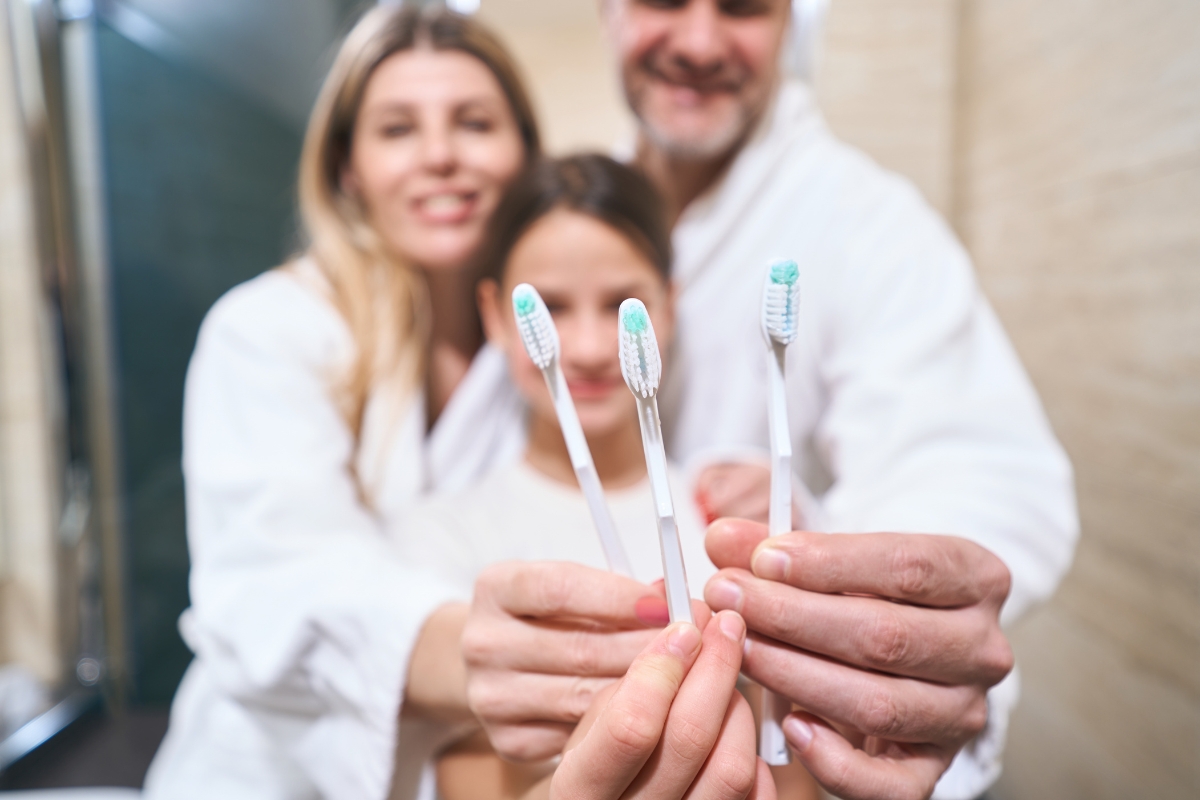
Children may accidentally grab the wrong toothbrush, especially if several are stored together. Parents can reduce confusion by labeling toothbrushes with colors, stickers, or names. Using different colored toothbrushes for each child can also make it easier for them to identify their own.
Encouraging children to take responsibility for their toothbrush and brushing routine is an important step in building lifelong oral hygiene habits.
Final Thoughts
Sharing a toothbrush might seem harmless, especially within a family, but dentists generally advise against it. Because toothbrushes carry bacteria from the mouth, using someone else’s brush can increase the risk of spreading germs, viruses, and oral infections.
Keeping toothbrushes separate, replacing them regularly, and teaching children proper hygiene habits can go a long way toward protecting everyone’s smiles. If you have questions about your child’s dental routine, consider visiting a kid friendly dentist who can provide guidance tailored to your family’s needs. If you’re in Wylie, TX, schedule an appointment with Angel Smile Pediatric Dentistry to help your child maintain healthy teeth and gums.
Frequently Asked Questions
Is it safe to share a toothbrush with a partner or family member?
Dentists generally advise against it. Even if both people appear healthy, bacteria and viruses can transfer between mouths.
Can sharing a toothbrush lead to gum disease?
It can increase the risk. The bacteria associated with gum infections may spread when toothbrushes are shared.
What should I do if my child accidentally used someone else’s toothbrush?
Have them rinse their mouth and return to using their own toothbrush. Replacing both toothbrushes is also a good precaution.
How often should toothbrushes be replaced?
Most dental professionals recommend replacing a toothbrush every three to four months, or sooner if the bristles become worn.
How can families prevent kids from mixing up toothbrushes?
Using different colored toothbrushes, adding labels, or placing them in separate holders can help children easily identify their own brush.