

By Angel Smile Pediatric Dentistry
August, 2026
When a child says their teeth feel fine, postponing a dental appointment can seem like a reasonable way to save money. Busy schedules and household expenses make it easy to put a checkup on the back burner. However, a child can have tooth decay without experiencing pain or showing obvious signs of a problem.
Regular dental checkups give parents an opportunity to identify concerns before they become more complicated. For families in Wylie, TX, understanding the cost of skipping dental checkups can help make preventive care a more informed decision. Although not every missed appointment leads to expensive treatment, delaying care can allow certain dental problems to progress.
Dental Checkups vs. Delayed Treatment: Understanding the Difference
Routine pediatric dental visits may include an examination, a professional cleaning, and X-rays when appropriate. The total expense depends on the child’s needs, the services provided, insurance coverage, and the dental practice.
Preventive care generally involves predictable, planned expenses. Parents can arrange appointments in advance, review their insurance benefits, and discuss any recommended services with the dental team.
Treatment costs become less predictable when a problem develops. A small cavity may need a filling, while more extensive decay could require a crown or treatment involving the inner portion of the tooth. If a tooth cannot be saved, removal and follow-up care may become necessary.
The financial difference comes from the complexity of treatment, not simply from the number of appointments missed. Routine checkups cannot prevent every dental problem, but they give the dentist opportunities to identify developing concerns before they require more extensive care.
How Delayed Dental Care Can Increase Expenses
A cavity may need more involved treatment
Tooth decay does not always cause immediate discomfort. A child may continue eating and playing normally while damage develops beneath the tooth’s surface.
When a dentist identifies decay early, treatment may be relatively straightforward. If the damage reaches deeper tissues, however, a filling may no longer be sufficient. The dentist may recommend a crown or pulp treatment, depending on the tooth’s condition.
These procedures generally involve more complex care than treating an early cavity. They may also require additional appointments, which can increase the time and expense involved for the family.
Losing a baby tooth early can create other concerns
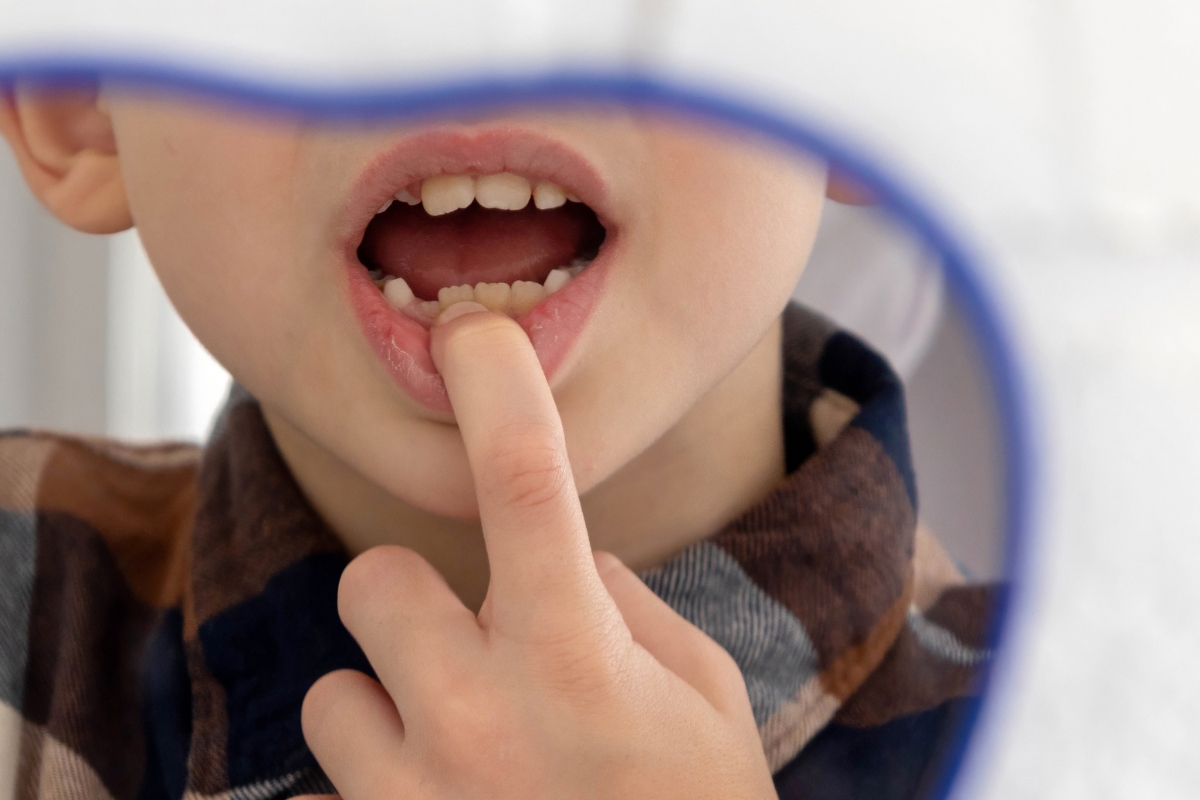
Baby teeth help children chew, speak, and maintain space for their developing permanent teeth. If severe decay leads to premature tooth loss, nearby teeth may shift and affect the available space.
Some children may need a space maintainer or further monitoring to support normal dental development. Orthodontic treatment may be appropriate for certain children later, but it is not an inevitable consequence of losing a baby tooth early.
Regular examinations help the dental team monitor these changes and explain when intervention may be useful.
What Preventive Dental Care Includes
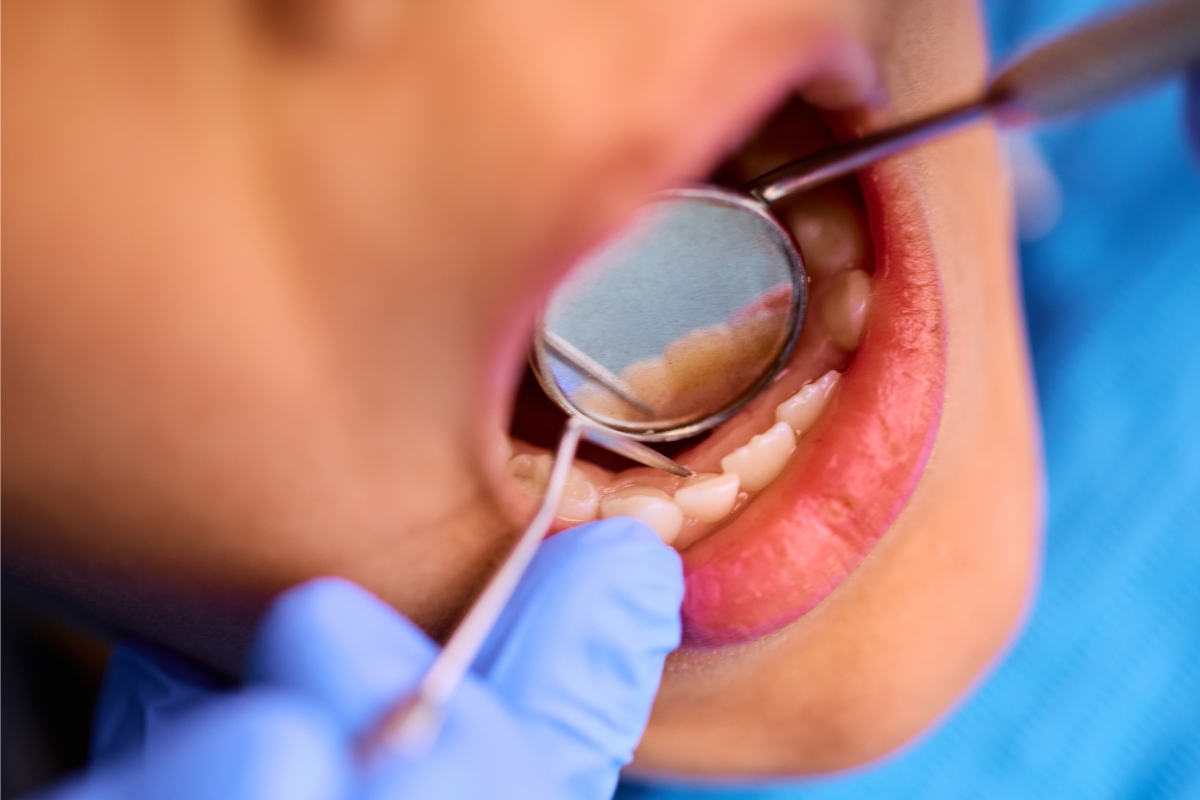
The importance of regular dental checkups extends beyond having clean teeth. A pediatric visit may include several services selected according to the child’s age and oral health.
- Dental examinations: Help identify cavities, gum concerns, damaged teeth, and changes in oral development.
- Professional cleanings: Remove plaque and buildup that regular brushing may not eliminate.
- Dental X-rays: Help detect certain problems that cannot be seen during a visual examination. The dentist determines when imaging is appropriate.
- Fluoride treatments: Help strengthen enamel and reduce the risk of tooth decay when recommended.
- Dental sealants: Protect the chewing surfaces of certain back teeth, where decay can develop.
Not every child needs every service at every visit. The dentist considers individual risk factors and explains which preventive measures may benefit your child.
The Hidden Costs of Skipping Checkups
The cost of untreated dental problems goes beyond the treatment itself. An urgent appointment may interrupt a child’s school day and require a parent to leave work. More involved procedures can also mean additional visits, recovery time, and changes to family schedules.
Dental anxiety is another consideration. Children who associate dental visits with pain may feel more nervous about future appointments. Regular, supportive visits can help children become familiar with the dental environment, although they cannot eliminate anxiety for every child.
Delayed care can also leave parents facing unexpected decisions. Instead of planning for routine preventive services, they may need to arrange treatment for a painful or damaged tooth on short notice.
These outcomes are not guaranteed, but they illustrate why preventive care deserves a place in a family’s healthcare budget.
How Wylie Parents Can Plan for Dental Expenses
A practical first step is to understand your dental insurance benefits. Ask which preventive services your plan covers, whether there are coverage limitations, and what out-of-pocket expenses you may need to prepare for.
Before your child’s treatment begins, request an explanation of the recommended procedures and an estimate of your share of the cost. If several treatment options are appropriate, ask the dental team to explain their differences and expected follow-up needs.
Many children benefit from checkups approximately every six months, although some need a different schedule based on their oral health and cavity risk. Your child’s dentist can recommend an appropriate interval.
Parents searching for a pediatric dentist in Wylie, can contact Angel Smile Pediatric Dentistry to discuss preventive care, their child’s dental needs, and questions about treatment expenses.
Make Preventive Care Part of Your Child’s Routine
Dental expenses are easier to plan for when parents understand their child’s needs and address concerns early. Although regular checkups cannot guarantee that treatment will never be necessary, they provide an opportunity to monitor development and make informed decisions about care.
Angel Smile Pediatric Dentistry welcomes families in Wylie, TX, who want guidance on their children’s oral health and preventive care options.
Schedule an appointment to discuss your child’s dental needs and develop a plan for maintaining a healthy smile.
Frequently Asked Questions
Is preventive dental care less expensive than treating dental problems later?
Preventive care generally involves planned examinations and services, while advanced dental problems may require more complex treatment. The actual difference depends on the child’s condition and the care needed.
Does dental insurance cover children’s checkups?
Many plans include preventive benefits for children, but coverage varies. Review your policy and ask the dental office to explain any expected out-of-pocket expenses before treatment.
How often should children have dental checkups?
Many children attend checkups every six months. However, the recommended schedule depends on their oral health, history of cavities, and individual risk factors.
Are fluoride treatments and sealants necessary for every child?
Not necessarily. Both can help prevent cavities in appropriate situations, but recommendations depend on the child’s teeth and risk of decay. Your dentist can explain which options may be beneficial.
Should I wait until my child complains about tooth pain?
No. Some dental problems develop without noticeable symptoms. Routine examinations help identify concerns that may otherwise go undetected until they become uncomfortable or require more extensive treatment.