

By Angel Smile Pediatric Dentistry
August, 2026
A child can have a perfectly ordinary dental checkup one year and need a filling the next. For parents, that change often brings an unexpected bill, another appointment to arrange, and a child who may already feel nervous about dental treatment.
Dental sealants offer one way to reduce the chance of that situation occurring. They do not make teeth immune to cavities, but they help protect the surfaces most likely to collect food and plaque. For families in Wylie, TX, understanding this preventive option can make it easier to plan their child’s care before a problem develops.
The important question is not whether sealants guarantee savings. They do not. It is whether protecting vulnerable teeth now could help your family avoid some treatment expenses later.
Why Molars Deserve Special Attention
Think about how your child brushes. The front teeth are easy to see, but the back teeth are harder to reach and have uneven chewing surfaces. Their narrow grooves can hold food particles even when a child brushes regularly.
These areas can be particularly vulnerable during childhood, when permanent molars first appear and brushing skills are still developing.
Dental sealants are protective coatings placed over the grooves of eligible teeth. Once applied, they create a smoother barrier that makes it harder for food and bacteria to remain trapped in those areas.
Dentists commonly assess children’s first permanent molars around age six and their second permanent molars around age twelve. The timing depends on when the teeth erupt and whether the surfaces are suitable for treatment.
For parents concerned about preventing tooth decay in children, sealants can provide an additional layer of protection where toothbrush bristles may struggle to reach.
The Cost of Prevention Versus Repair
Dental bills are difficult to predict because two children with similar-looking teeth may need different treatments. One may benefit from a preventive coating, while another may already have decay that requires a filling.
What determines the price of sealants?
The cost of dental sealants varies by practice and by the number of teeth treated. Insurance coverage, eligibility rules, and the child’s individual dental needs can also affect the final expense.
Instead of relying on a price quoted by an unrelated website, ask your dental practice for a treatment estimate. Your insurer can explain whether sealants are covered, which teeth qualify, and whether any restrictions apply.
This gives you a clearer picture of your own expenses without relying on a general estimate that may not reflect local fees.
What happens when a cavity develops?
A sealant helps prevent decay on an appropriate tooth surface. A filling, by contrast, repairs damage that has already occurred. If decay becomes extensive, the dentist may need to consider a crown or another treatment based on the tooth’s condition.
Here is how the costs differ in principle:
- Preventive treatment: Aims to reduce the likelihood of certain cavities developing.
- A filling: Repairs a limited area of decay.
- A crown: May be necessary when a tooth has lost substantial structure.
- More extensive treatment: May be needed if decay reaches deeper tissues or compromises the tooth.
These treatments address different problems, so their prices are not directly interchangeable. A filling is not inevitable without a sealant, and receiving a sealant does not guarantee that a child will avoid restorative treatment.
Still, preventing a cavity may spare a family the cost of treating that particular cavity. If several teeth require treatment over time, the expenses can add up considerably. That is why preventive care deserves a place in a family’s dental budget.
How Sealants Fit Into a Child’s Dental Routine
The benefits of dental sealants become more meaningful when parents understand what the treatment can and cannot do.
Sealants focus on the chewing surfaces of selected teeth. They do not protect every surface, and they cannot replace daily brushing, flossing, or professional examinations.
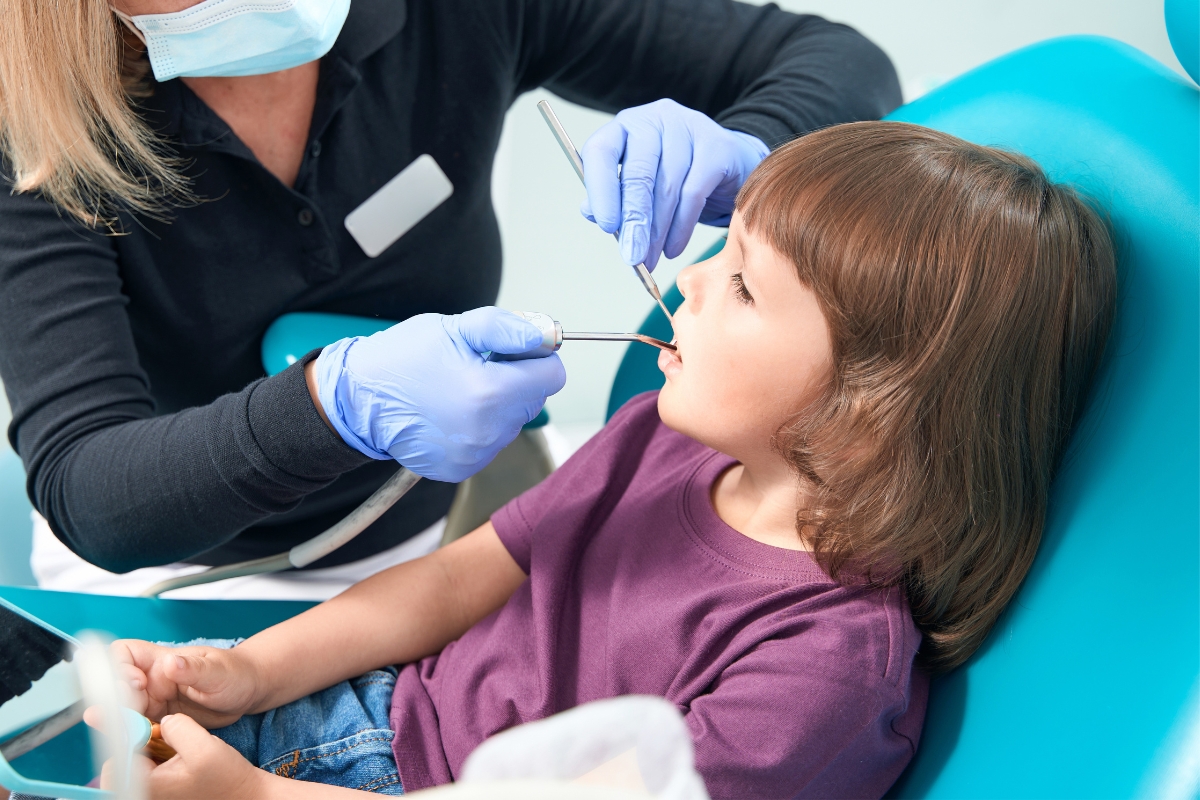
Application is generally straightforward. The dental team cleans and prepares the tooth, places the coating, and hardens it according to the material’s instructions. The process usually does not require drilling when the tooth is suitable for a sealant.
Sealants can remain in place for years, but they need to be checked during regular visits. If the material becomes damaged or wears away, a dentist can determine whether repair or replacement is appropriate.
Small Daily Habits Still Make a Difference
Sealants are one part of prevention, not a shortcut around other oral health habits. Families can support their children’s teeth with a routine that is realistic enough to maintain.
- Help children brush twice a day with fluoride toothpaste in the recommended amount for their age.
- Clean between teeth daily when the teeth touch.
- Offer water regularly, particularly between meals.
- Avoid frequent sugary snacks and prolonged sipping of sweet drinks.
- Keep up with dental examinations and ask whether additional fluoride protection is appropriate.
Sugar exposure matters because bacteria in the mouth use sugars to produce acids that weaken enamel. Reducing frequent exposure can support the work that brushing and other preventive measures do.
Regular examinations also give the dentist an opportunity to identify early changes, inspect existing sealants, and discuss concerns before they become more complicated.
Making Preventive Choices in Wylie, TX
Every child’s mouth develops differently. Some children have deep molar grooves or a history of cavities that makes preventive protection particularly worth discussing. Others may have different needs based on their dental examination.
At Angel Smile Pediatric Dentistry, parents can ask whether their child’s molars are ready for sealants and what the treatment would involve. It is also reasonable to ask about fees, insurance benefits, and any alternative recommendations before deciding.
If you are searching for a pediatric dentist near me, look for a practice that explains preventive options clearly and welcomes questions about costs. Having that conversation helps you make a decision based on your child’s needs rather than pressure or an online price estimate.
Give Prevention a Place in Your Dental Budget
A future dental bill is not always avoidable, even when a child follows a good routine. However, protecting vulnerable molars may lower the risk of certain cavities and help reduce the need for some restorative procedures.
For parents, the sensible next step is to understand their child’s individual cavity risk, ask about sealant eligibility, and get a clear estimate before treatment.
Angel Smile Pediatric Dentistry can help Wylie families explore preventive options and understand what their children need.
Schedule an appointment to discuss dental sealants and your child’s preventive care plan.
Frequently Asked Questions
When should children get dental sealants?
Dentists commonly evaluate children for sealants when their first permanent molars appear around age six and their second permanent molars emerge around age twelve. The dentist will assess the teeth and recommend appropriate timing.
Can sealants prevent every cavity?
No. Sealants protect selected chewing surfaces, but decay can develop elsewhere. Brushing with fluoride toothpaste, cleaning between teeth, eating a balanced diet, and attending dental checkups remain important.
How long do dental sealants last?
They can last for several years, sometimes up to a decade, but their condition varies. Regular dental visits allow the dentist to check for wear, damage, or areas that need attention.
Will insurance pay for my child’s sealants?
Some dental plans cover sealants for eligible children’s permanent molars. Coverage depends on the plan, including age restrictions and replacement rules. Confirm your benefits and any expected out-of-pocket fees before treatment.
Are sealants useful if my child already has a cavity?
A dentist must examine the affected tooth first. A cavity may require treatment rather than a preventive coating. The dentist can also assess whether other eligible teeth would benefit from sealants.
Related Articles