

By Angel Smile Pediatric Dentistry
November, 2025
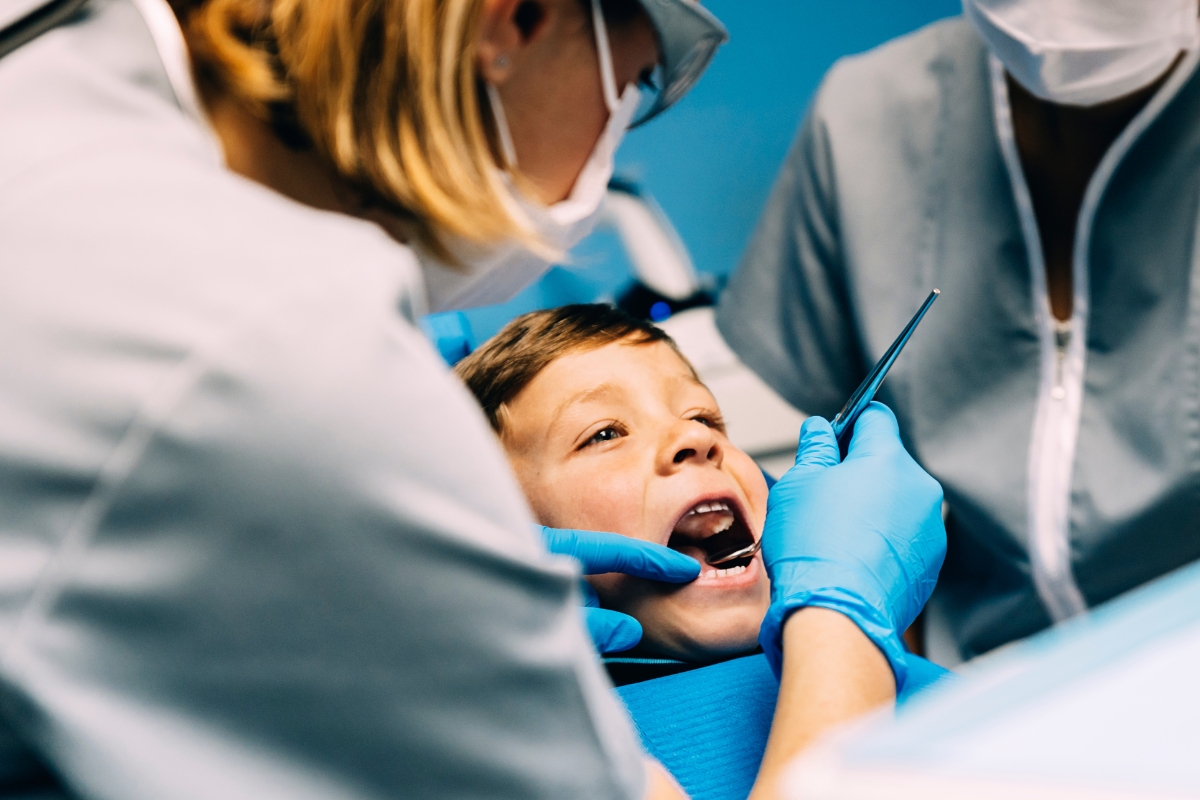
Children who feel scared at the dentist often aren’t just a little nervous—they may freeze, cry, or shut down the moment they walk through the door. For many families in Wylie, this experience is stressful and emotional, especially when their child already struggles with severe dental anxiety. Parents want their kids to feel safe, supported, and understood. They want dental visits that feel calm and manageable, not overwhelming.
That’s why many families start asking a key question: Can sedation dentistry truly help children who fear dental visits? And more importantly, how does it work and is it safe?
This blog takes a clear, supportive look at sedation options for kids, how they work, and why parents often turn to calming solutions to make dental care more comfortable. We’ll also talk about how a children sedation dentist Wylie families trust can help create a steady and fear-free environment that meets each child at their comfort level.
Why Some Kids Experience Severe Dental Anxiety
Dental anxiety in children is extremely common, but for some, the fear goes far beyond typical nervousness. Research suggests that nearly 20% of children experience elevated dental fear, and the numbers are higher for those with sensory challenges, previous negative experiences, or strong gag reflexes.
Common Triggers Include:
- Fear of needles or instruments
- Sensitivity to noise or lights
- Difficulty staying still
- Past difficult dental procedures
- Separation anxiety or generalized anxiety
Many people find that their children need more than reassurance. They need a combination of behavioral support, gentle communication, and sometimes sedation to make the visit possible.
How Sedation Dentistry Helps Kids With Severe Anxiety
A trained children sedation dentist Wylie parents trust will offer different sedation levels depending on the child’s needs and the type of procedure. Sedation doesn’t replace compassion or behavioral guidance—it enhances them.
Types of Sedation Used for Children
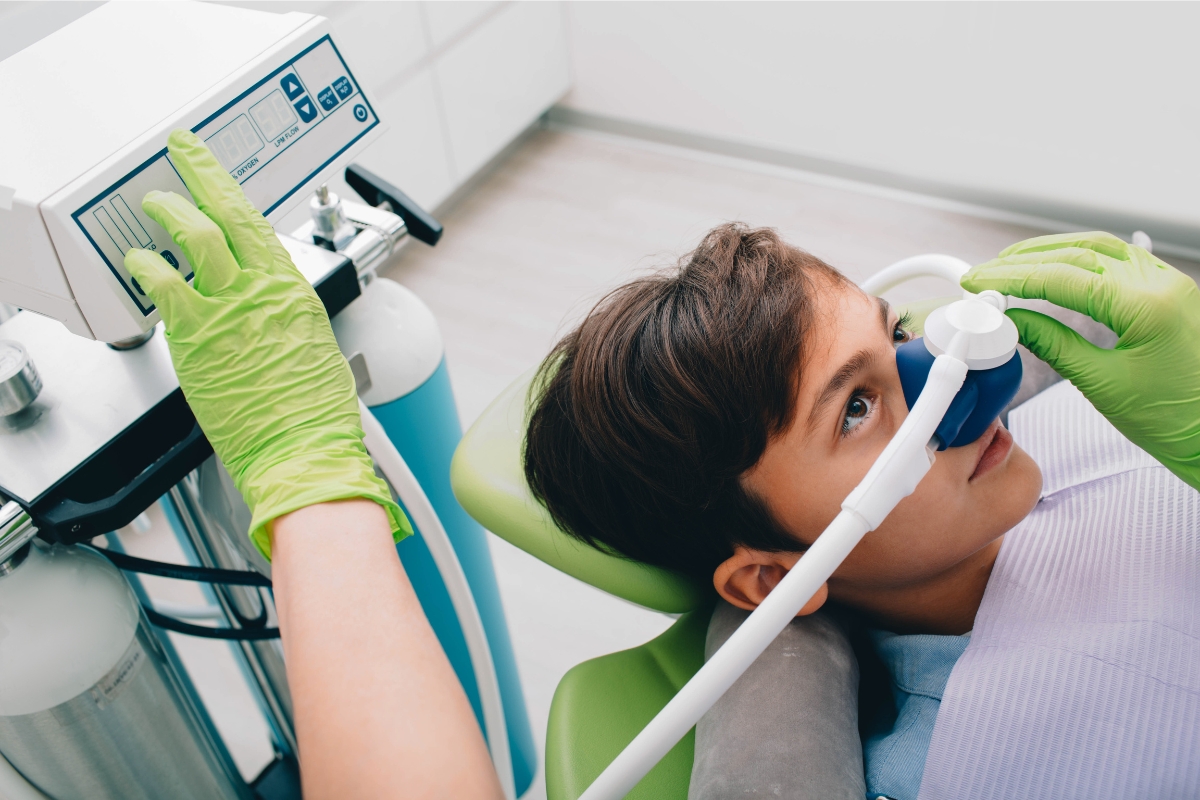
Nitrous Oxide (Laughing Gas)
This is the most common option for mild to moderate anxiety. Kids breathe through a soft mask, and within minutes they begin to feel relaxed. It wears off quickly and allows children to return to normal activities soon after their appointment.
Oral Sedation
A liquid medication taken before the appointment helps children feel sleepy or deeply relaxed. It is typically used for kids with stronger anxiety or when treatment requires more time and cooperation.
IV Sedation
For children with severe dental anxiety, strong gag reflexes, or special healthcare needs, IV sedation may be recommended. This method is administered and monitored by trained professionals, allowing for a controlled and calm experience.
General Anesthesia
Reserved for extensive dental work or very young children, this option takes place in a controlled environment. The child is fully asleep, ensuring safety and comfort during complex procedures.
Why Sedation Is Often the Best Option for Highly Anxious Kids
When a child is overwhelmed, even simple tasks—opening their mouth, staying still, or listening to instructions—can feel impossible. Sedation creates a calmer emotional state, allowing the dentist to complete necessary care gently and efficiently.
Key Benefits Include:
- Reduces anxiety and fear response
- Helps children who cannot tolerate dental work
- Prevents panic or emotional overwhelm
- Supports fear-free dentistry with calming solutions
- Enables faster, safer treatment
- Protects children from forming long-term dental fear
A pediatric dentist typically uses sedation only when it adds meaningful comfort or prevents future dental trauma.
Is Sedation Dentistry Safe for Children?
Safety is one of the most common concerns for parents—and it’s completely understandable. Sedation dentistry is considered safe when performed by trained professionals and supported by proper monitoring.
Trained teams follow strict safety steps such as:
- Medical history review
- Tailored sedation dosage
- Continuous monitoring of oxygen, heart rate, and breathing
- Post-care recovery instructions
Sedation is never treated as a one-size-fits-all solution. A skilled children sedation dentist evaluates each child carefully to choose the safest, least-invasive option.
Local Context: What Families in Wylie Should Know
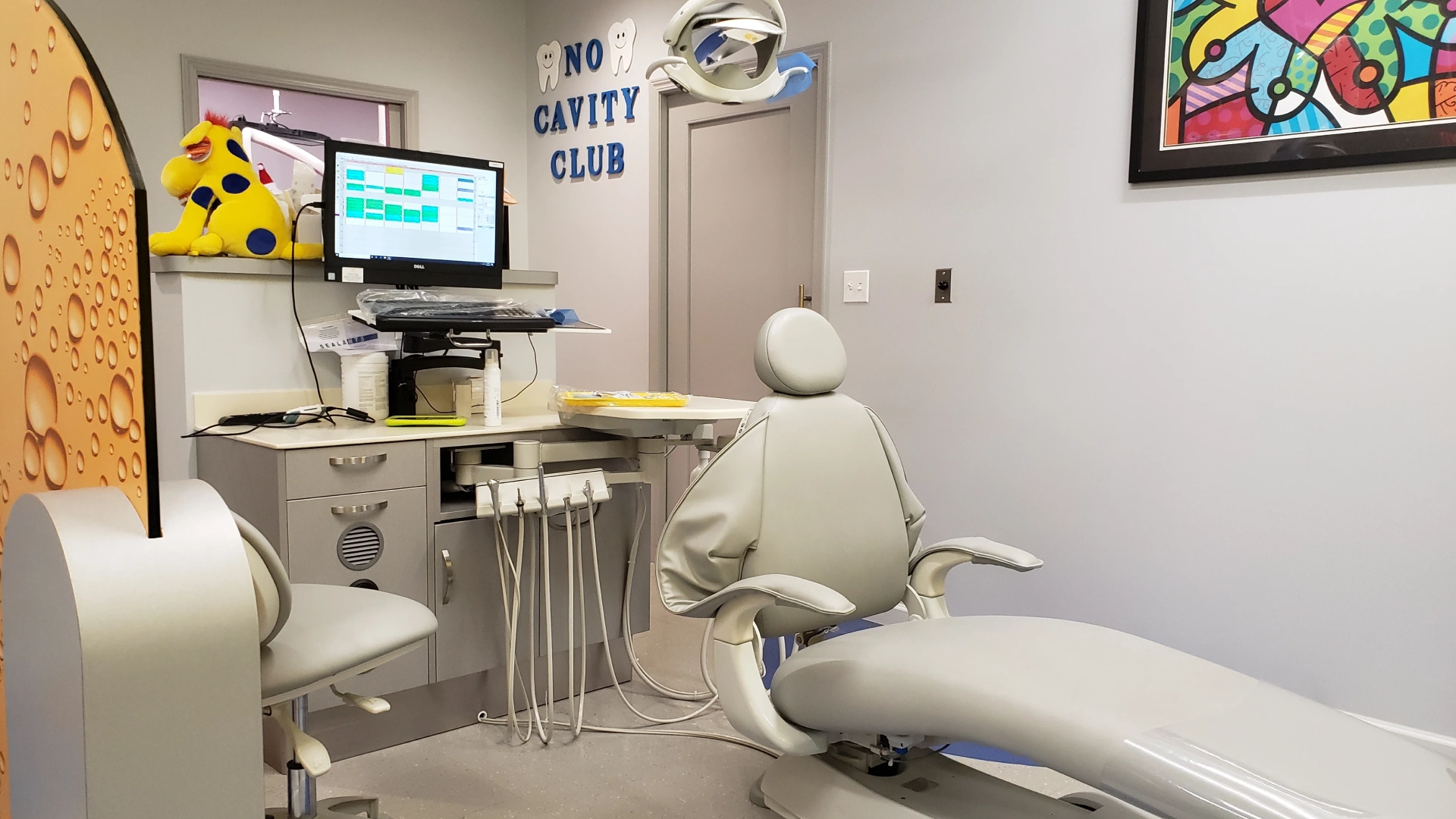
Parents often value a dental environment that feels calm, steady, and welcoming. Many local practices focus on creating quieter rooms, soft lighting, and kid-friendly visuals to ease anxiety before sedation is even considered.
A pediatric dentist Wylie families choose for anxiety-sensitive care will combine:
- Gentle communication
- Behavioral support
- Sensory-aware practices
- Calming sedation options
This blended approach gives children a smoother experience and helps parents feel confident about their child’s care.
What Parents Can Do to Prepare Their Child
Have a Calm, Simple Conversation
Avoid big explanations. Instead, keep language friendly and positive.
Practice Relaxation Techniques at Home
Deep breathing, sensory tools, or a comfort object can help.
Follow Instructions Carefully
If sedation is used, pre-appointment and post-appointment guidelines help things go safely and smoothly.
Frequently Asked Questions
Is sedation only for children with severe anxiety?
Not always. Sedation can also help children with sensory sensitivities, strong gag reflexes, or difficulty sitting still.
How long does the sedation effect last?
Nitrous oxide wears off within minutes. Oral and IV sedation can take a few hours to fully fade, depending on the medication.
Does sedation replace numbing?
Sedation reduces fear and movement, while numbing blocks pain. They are often used together for comfort.
Can my child return to school after sedation?
With nitrous oxide—usually yes. With deeper sedation, it’s best to rest at home for the remainder of the day.
Is sedation safe for children with special needs?
Yes, when handled by trained professionals who individualize care.
Final Thoughts
For children struggling with severe dental anxiety, sedation dentistry can be a meaningful, supportive option that makes care feel manageable instead of frightening. When combined with gentle communication, behavioral support, and a calm environment, sedation can help kids build positive dental experiences that last into adulthood.
If your child has been avoiding care or feeling overwhelmed, scheduling a visit with a trusted local provider may be the first step toward more comfortable dental care. Many families find that a children sedation dentist Wylie professional offers the reassurance their child needs.
If you feel ready to take that step, you can schedule an appointment to explore options that meet your child’s needs in a calm and safe way.