


By Angel Smile Pediatric Dentistry
October, 2026
A dental appointment can feel like a big challenge for a child who fears unfamiliar sounds, dental instruments, or the thought of discomfort. As a parent, you want your child to receive the care they need without feeling frightened or overwhelmed. When reassurance and gentle behavior guidance are not enough, dental sedation may be an option worth discussing with your child’s dentist.
Understanding the benefits of dental sedation for children can help you make an informed decision about your child’s oral health. For families in Wylie, TX, knowing how sedation works, when dentists may recommend it, and what safety measures matter can make dental visits feel less stressful for everyone.
What Is Dental Sedation for Children?
Dental sedation uses medication to help a child remain calm and comfortable during certain dental procedures. The type of sedation depends on the child’s age, medical history, anxiety level, and treatment needs.
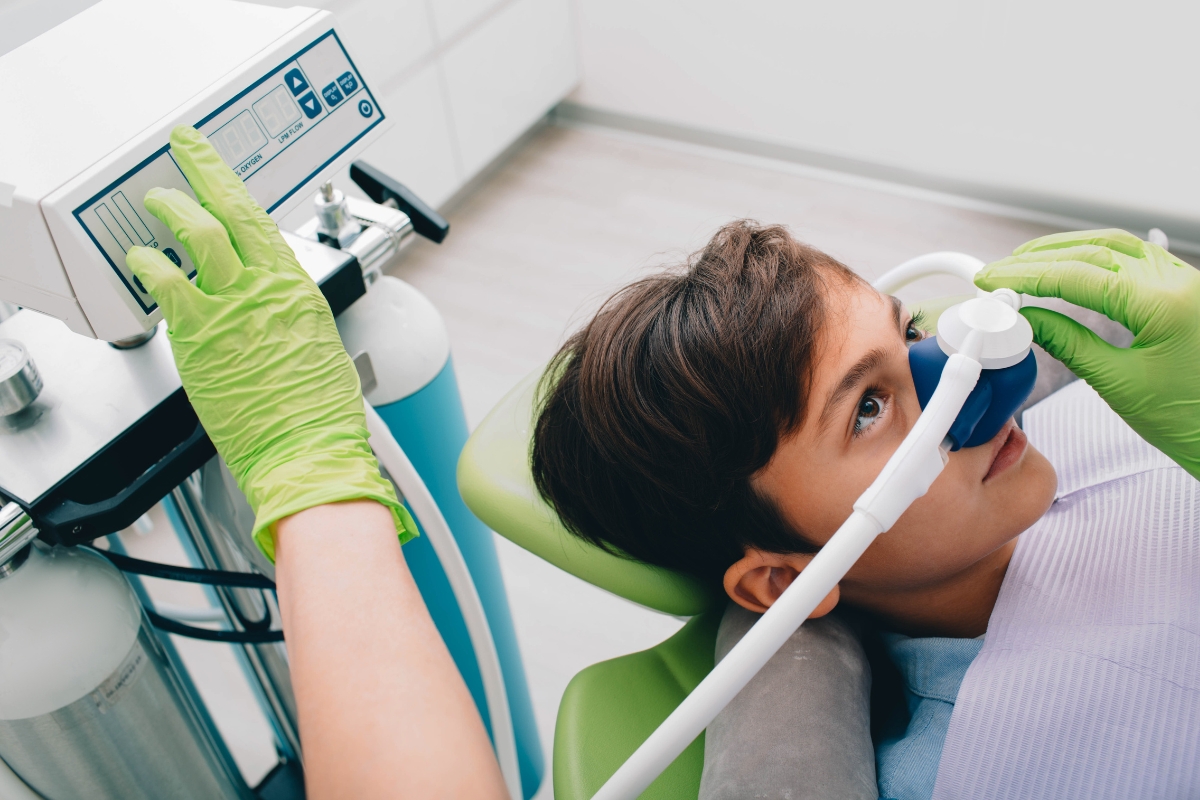
Pediatric dental sedation can range from minimal sedation, where a child stays awake but feels more relaxed, to deeper levels that require additional monitoring and specialized training. Nitrous oxide, commonly called laughing gas, is one option a dentist may consider. Other methods may be appropriate in specific circumstances.
Sedation does not replace local anesthesia when a procedure requires pain control. Instead, it helps manage anxiety and the child’s response to treatment. The dentist will explain which approach suits your child and whether other techniques may work just as well.
5 Benefits of Dental Sedation for Children
Helps Reduce Dental Anxiety
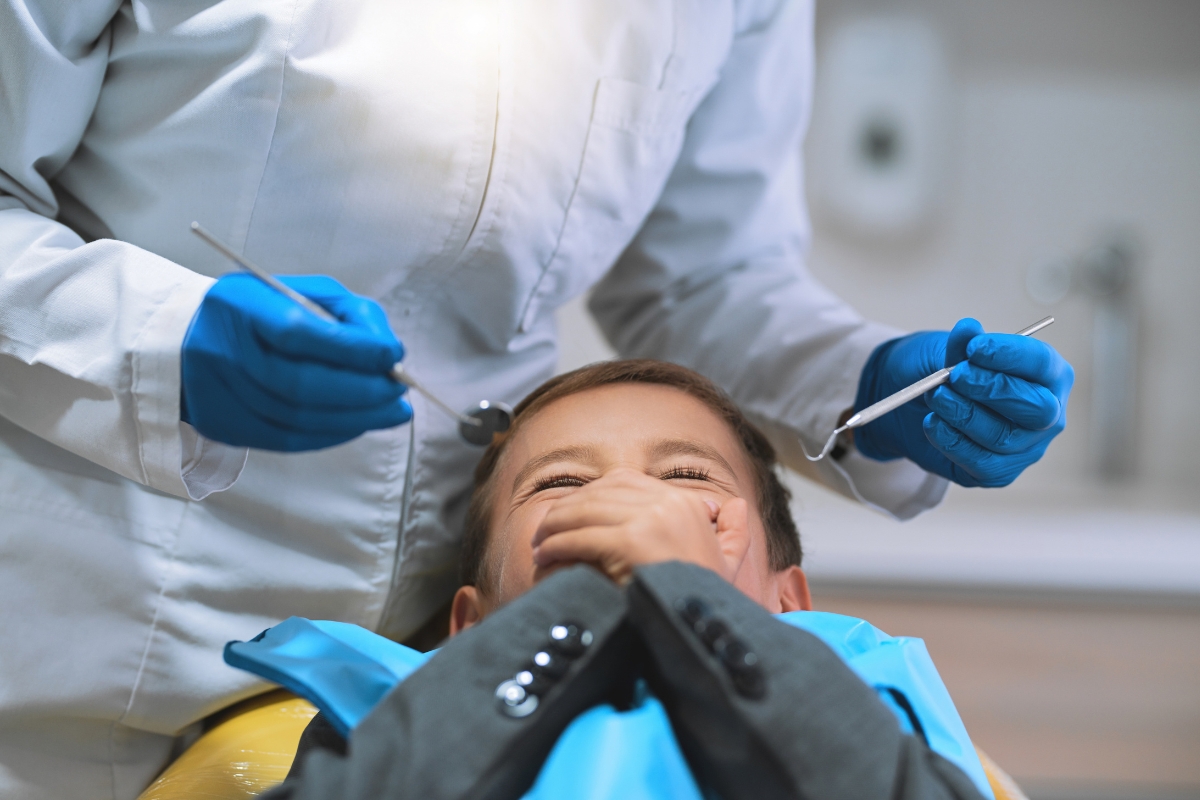
Fear of the dentist can develop for several reasons, including an earlier uncomfortable experience, sensory sensitivities, or uncertainty about what will happen. Some children may cry, resist sitting in the dental chair, or struggle to follow instructions.
One of the main benefits of sedation dentistry for children is that it can reduce anxiety during treatment. A calmer child may find it easier to tolerate the dental environment and cooperate with the care they need.
For parents seeking sedation dentistry for anxious children, the goal is not to dismiss a child’s fears. It is to help them receive appropriate treatment in a way that considers their emotional comfort.
Supports Necessary Dental Treatment
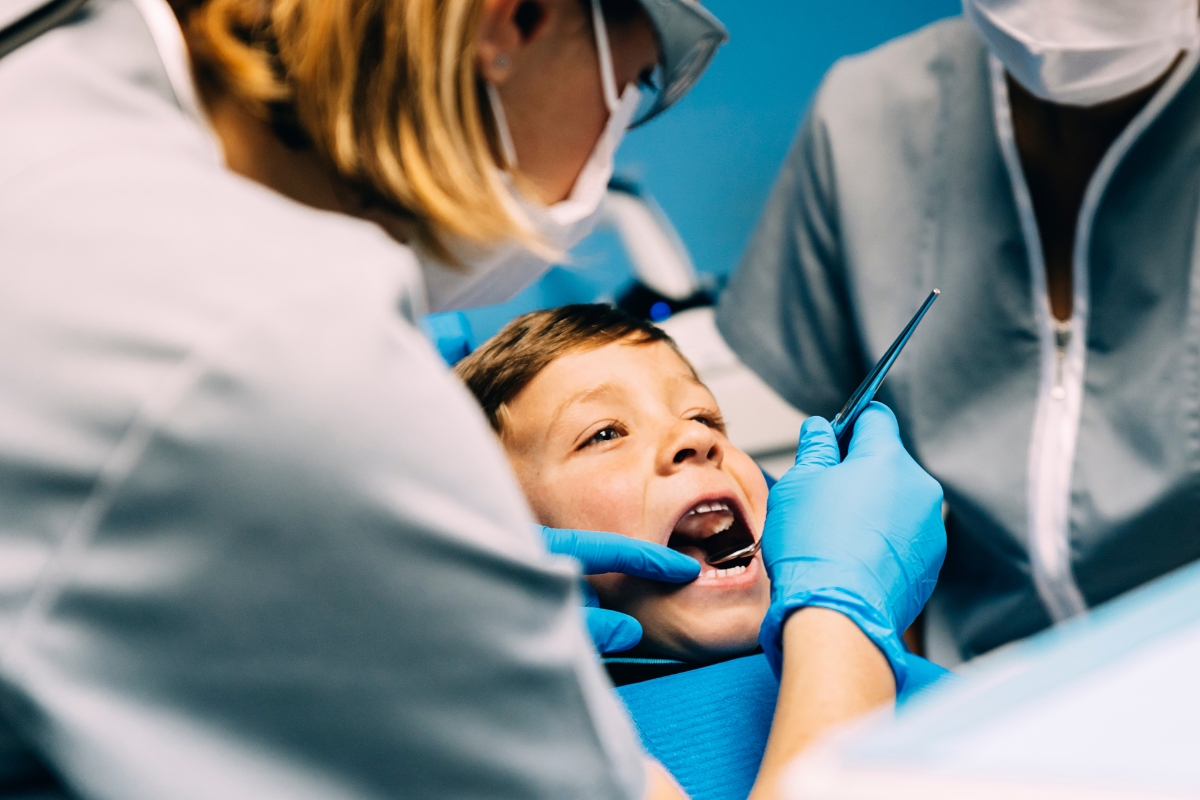
Untreated cavities and other dental problems can progress, potentially causing pain, infection, or difficulty eating. However, fear or difficulty cooperating may prevent some children from completing recommended treatment.
Dental sedation for kids may help a dentist complete necessary procedures when anxiety or limited cooperation creates a significant barrier. Depending on the treatment plan, this may include certain fillings, crowns, or other restorative procedures.
Sedation is not automatically necessary for every child or procedure. The dentist should weigh the child’s needs, available alternatives, and the risks of delaying treatment before making a recommendation.
May Make Longer Procedures Easier
Some dental visits involve several treatment steps or require a child to remain still for an extended period. That can be difficult for younger children who naturally have shorter attention spans or struggle to stay comfortable in one position.
When clinically appropriate, sedation may help a child tolerate a longer appointment. It may also help the dental team work more effectively while maintaining appropriate safety measures.
Whether treatment can be completed in one visit depends on the child’s needs, the procedure, and the type of sedation selected. Parents should ask whether splitting treatment into shorter appointments is another reasonable option.
Can Help Children With Special Healthcare Needs
Some children have sensory sensitivities, developmental differences, or medical conditions that make routine dental treatment more challenging. Bright lights, unfamiliar sounds, and unexpected sensations may cause significant distress.
In selected cases, sedation may help make dental care more manageable. However, a child’s medical history and individual support needs must guide the decision.
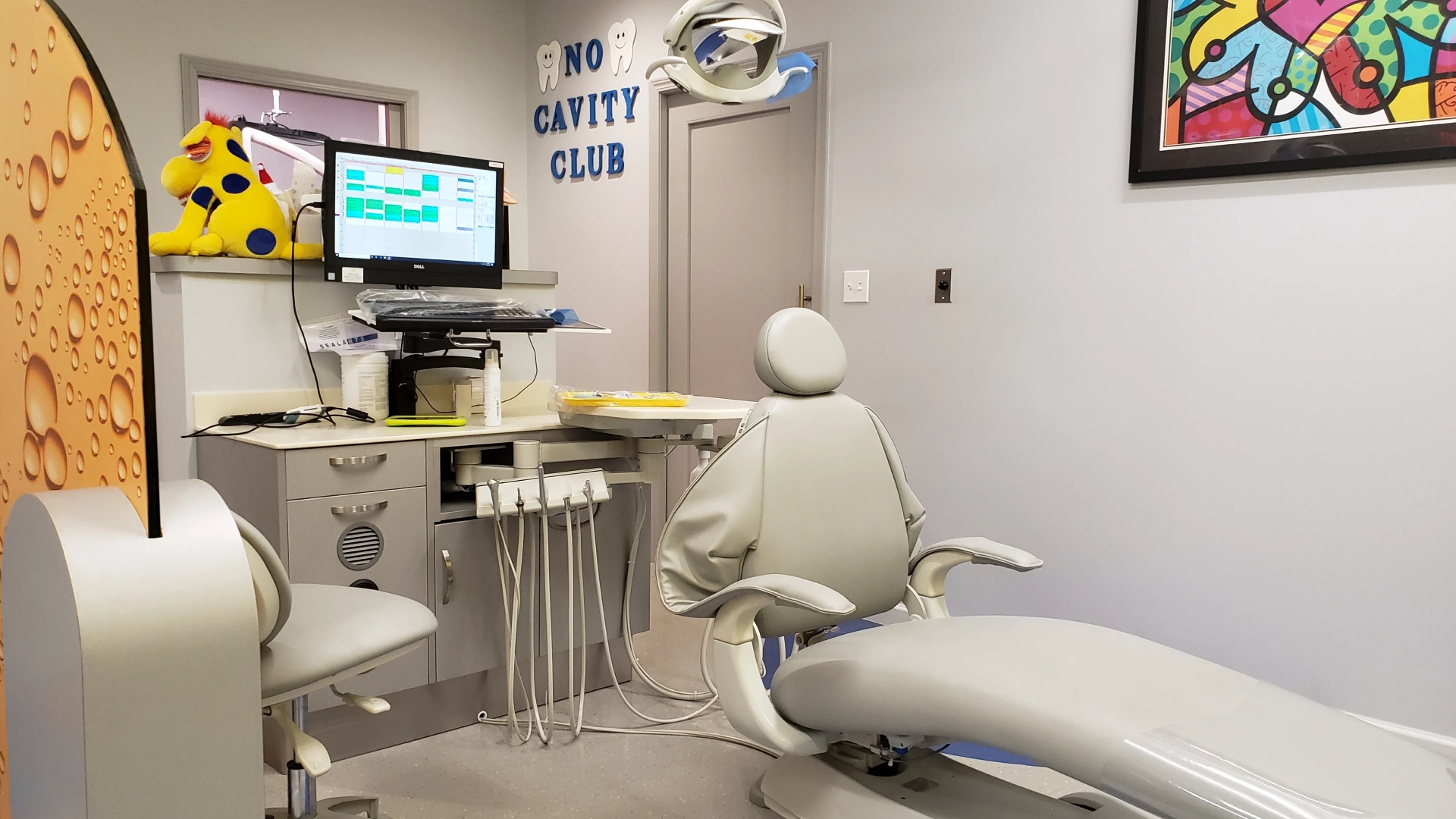
The dentist may also recommend adjustments such as quieter surroundings, visual explanations, additional breaks, or a gradual introduction to dental instruments. These approaches can sometimes reduce the need for medication.
May Encourage More Positive Dental Experiences
A difficult dental visit can leave a child feeling worried about returning. When treatment is completed with appropriate comfort measures, the experience may become easier to manage.
One potential benefit of pediatric sedation dentistry is that it can help some children get through necessary treatment without the same level of distress. Still, sedation does not guarantee that a child will enjoy future visits or stop feeling anxious.
Combining suitable sedation with patience, positive communication, and age-appropriate explanations may help children build confidence over time.
Is Dental Sedation Safe for Children?
Safe dental sedation for children depends on careful patient selection, appropriate medication, qualified providers, and monitoring throughout the process. Sedation carries risks, and the level of risk varies with the medication, depth of sedation, and the child’s health.
Before agreeing to sedation, ask the dental team:
- Which type of sedation is recommended, and why?
- What are the potential benefits, risks, and alternatives?
- Who will administer the medication and monitor my child?
- What monitoring and emergency equipment will be available?
- What instructions should we follow before and after treatment?
Tell the dentist about your child’s medical conditions, allergies, medications, previous reactions to anesthesia, and any recent illness. Follow all eating, drinking, medication, transportation, and recovery instructions provided by the care team. Never give your child a sedative unless the treating clinician specifically directs you to do so.
How Parents Can Prepare for a Sedation Appointment
A little preparation can help you and your child feel more comfortable about the visit.
Explain the appointment simply. Use calm, age-appropriate language. Avoid frightening descriptions or promising that your child will feel absolutely nothing.
Share your child’s concerns. Tell the dental team about previous difficult appointments, sensory sensitivities, or particular fears.
Follow the dentist’s instructions carefully. Fasting requirements vary by sedation method and clinical circumstances. Confirm exactly when your child must stop eating or drinking.
Plan for recovery. Depending on the medication, your child may feel sleepy, dizzy, or unsteady afterward. Arrange the required adult supervision and follow the practice’s discharge instructions.
For families looking for a children sedation dentist Wylie, discussing these details during a consultation can help clarify which approach may suit your child. Angel Smile Pediatric Dentistry can be a starting point for discussing your child’s dental comfort needs and available care options.
Schedule an appointment to discuss your child’s dental concerns, treatment needs, and whether sedation may be appropriate.
Frequently Asked Questions
Does dental sedation put my child to sleep?
Not always. Nitrous oxide and other minimal sedation methods generally help a child relax while remaining responsive. Deeper sedation can significantly reduce responsiveness, so the level of sedation and required monitoring depend on the planned approach.
What age is appropriate for pediatric dental sedation?
There is no single age that makes sedation appropriate for every child. The dentist considers the child’s development, medical history, anxiety, ability to cooperate, and the complexity of treatment.
Will my child feel pain during sedation?
Sedation helps manage anxiety, but it does not necessarily prevent pain. The dentist may use local anesthesia when needed to numb the treatment area.
Is sedation necessary for every anxious child?
No. Tell-show-do techniques, positive reinforcement, breaks, and other behavior guidance methods may be sufficient for some children. A dentist can explain whether sedation offers meaningful benefits in your child’s situation.
How long does it take a child to recover from dental sedation?
Recovery varies according to the medication and depth of sedation. Some children recover quickly, while others need several hours or longer before returning to their usual activities. Follow the dental team’s instructions and contact them if you have concerns about your child’s recovery.