



By Angel Smile Pediatric Dentistry
October, 2026
Watching your baby struggle with sore gums can be difficult, especially when fussiness and interrupted sleep become part of your daily routine. You might wonder whether your little one needs extra comfort or whether something else is causing the discomfort. The good news is that there are simple, safe ways to help.
Knowing how to soothe a teething baby can make this stage more manageable for both you and your child. From gentle gum massages to age-appropriate teethers, small changes can help your baby feel more comfortable. Parents in Wylie, TX, can also seek guidance from a pediatric dental team when questions about emerging teeth or oral health arise.
What Are the Signs and Symptoms of Teething in Babies?
Most babies get their first tooth around 6 months, although some start earlier or later. Their 20 primary teeth usually appear by age 3. Every child follows a slightly different timeline, so there is no need to worry if your baby’s teeth arrive at a different pace.
Common signs and symptoms of teething in babies include:
- Increased drooling: You may notice wet clothing, damp bibs, or more saliva around your baby’s mouth.
- Tender or swollen gums: The gums may look slightly red where a tooth is about to emerge.
- Extra fussiness: Your baby might cry more often or need additional cuddles.
- Chewing on objects: Babies often bite toys, fingers, or other safe objects to ease gum pressure.
- Changes in sleep: Gum discomfort may make settling down or staying asleep more difficult.
- Temporary feeding changes: Sore gums may make some babies less interested in feeding for short periods.
Teething does not explain every symptom. A fever, diarrhea, or a widespread rash should not automatically be blamed on emerging teeth. Contact your pediatrician if these symptoms occur or your baby seems unusually unwell.
How to Soothe a Teething Baby at Home
You do not need an elaborate routine to comfort your child. Start with gentle methods, watch how your baby responds, and adjust as needed.
Massage the Gums Gently
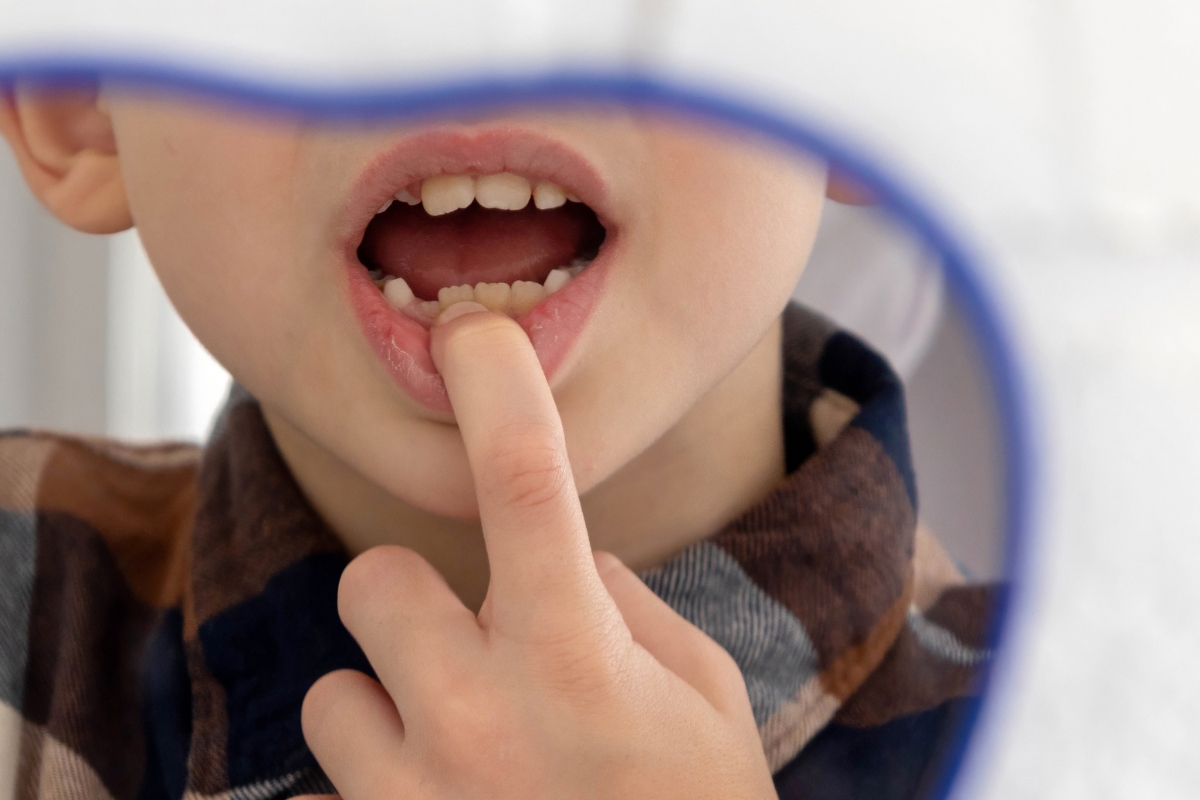
Wash your hands and use a clean finger to rub your baby’s gums with gentle pressure. This can temporarily ease the discomfort caused by an emerging tooth.
Keep your movements slow and gentle. If your baby resists or becomes more upset, stop and try another soothing method.
Offer a Cool, Clean Washcloth
Dampen a clean washcloth with water and chill it in the refrigerator. Let your baby chew on it while you supervise closely.
The cool temperature may help soothe tender gums. Avoid freezing the cloth until it becomes hard, as very cold or rigid materials can injure sensitive gum tissue.
Try Safe Teething Toys for Babies
A suitable teether gives your baby something safe to chew when the urge strikes. Choose a solid-rubber teether designed for your child’s age, and inspect it regularly for cracks or damage.
Refrigerator-chilled teethers can offer soothing relief. Avoid liquid-filled rings that could leak or break, and never leave your baby unattended while using a teether.
Give Extra Comfort and Attention
Sometimes, the best response is simply to hold your baby, rock them gently, or offer a familiar soothing routine. A calm environment and extra cuddles may help your little one settle when discomfort makes the day difficult.
If your baby seems restless at bedtime, maintain the usual sleep routine and offer comfort as needed. Always place your baby on their back in a clear, flat sleep space, following safe-sleep guidance.
Natural Teething Remedies for Babies: What Is Safe?
Parents often look for natural teething remedies for babies because they want to avoid unnecessary medication. Fortunately, several simple options can help without introducing additional risks.
Try these approaches:
- Cool, damp washcloths: Offer gentle pressure and a refreshing sensation.
- Clean fingers: Massage the gums briefly when your baby seems uncomfortable.
- Age-appropriate teethers: Choose products made from durable, baby-safe materials.
- Comforting routines: Hold, cuddle, or gently rock your baby to help them relax.
Avoid amber teething necklaces, bracelets, and other teething jewelry. They can cause choking or strangulation. Do not apply alcohol, honey, or unapproved herbal products to your baby’s gums.
The American Dental Association also advises parents to avoid benzocaine-containing numbing gels and homeopathic teething tablets because of their potential health risks.
If your baby remains very uncomfortable, ask your pediatrician about appropriate pain relief for their age and weight. Never give medication without checking the correct product and dose with a healthcare professional.
When Should You Contact a Pediatric Dentist?
Most teething discomfort improves with gentle home care. However, persistent symptoms or concerns about your baby’s developing teeth deserve attention.
Contact your pediatrician if your baby develops a fever, diarrhea, refuses feeds, has fewer wet diapers than usual, or appears unusually sleepy or ill. Seek urgent medical care for signs of significant dehydration, breathing difficulty, or difficulty waking your baby.
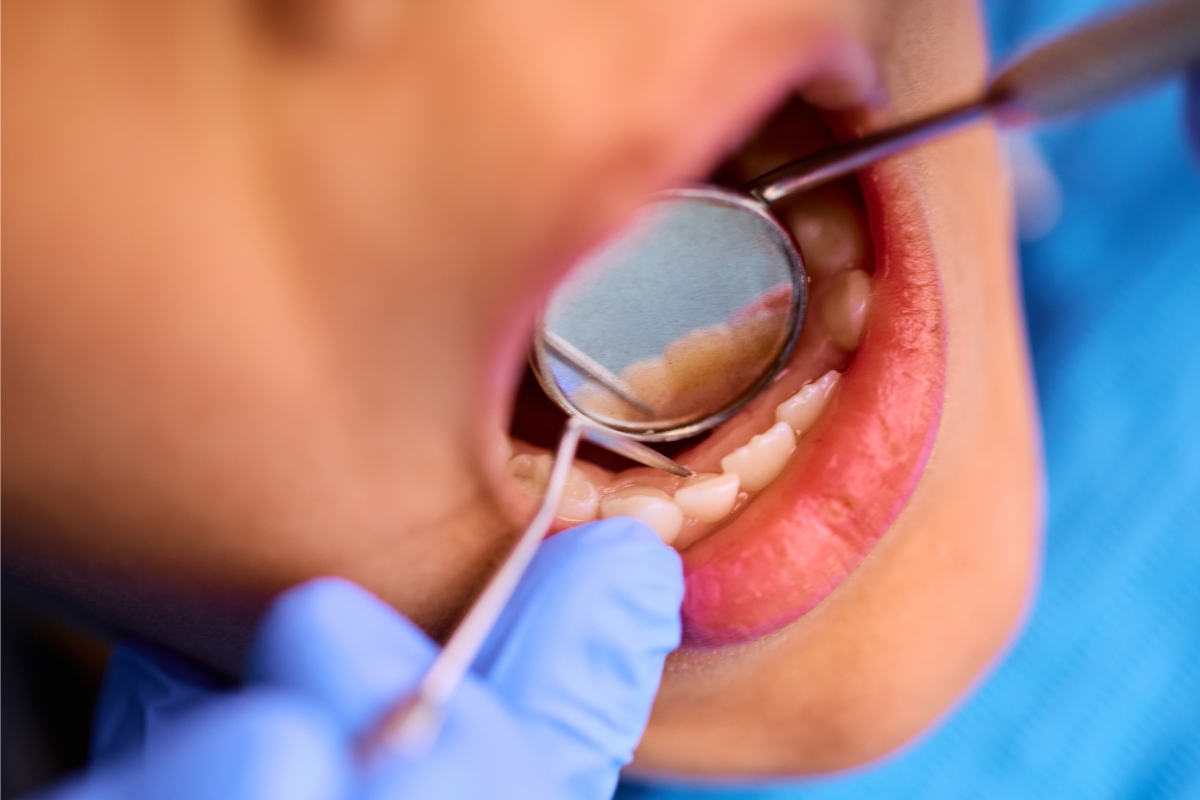
A dental visit can help you understand whether your baby’s teeth and gums are developing as expected. The American Dental Association recommends a first dental visit after the first tooth appears and no later than the first birthday.
For families in Texas area, a kid friendly dentist Wylie parents can turn to can help answer questions about teething, early oral hygiene, and caring for newly erupted teeth. Angel Smile Pediatric Dentistry can be a resource for parents who want guidance on their child’s developing smile.
How to Care for Your Baby’s First Teeth
Teething is also the beginning of your child’s lifelong oral care routine. You can start protecting their teeth as soon as the first one appears.
Use a soft, infant-sized toothbrush and a tiny smear of fluoride toothpaste about the size of a grain of rice. Brush gently twice a day, including before bedtime.
Before teeth emerge, wipe your baby’s gums with a clean, damp cloth. Avoid putting your baby to bed with a bottle of milk, formula, or juice, and never dip a pacifier in honey or other sweet substances.
These simple habits help remove plaque and reduce the risk of early childhood cavities. Starting early also makes oral care a familiar part of your baby’s daily routine.
Helping Your Baby Through the Teething Stage
Teething can bring challenging days and restless nights, but gentle care can make the experience easier. Watch your baby’s symptoms, use safe soothing methods, and contact a healthcare professional when something does not seem right.
For parents in Wylie, TX, building good oral care habits early can help protect those first little teeth. Angel Smile Pediatric Dentistry can help you navigate your child’s early dental milestones and answer questions about their developing smile.
If you have concerns about your baby’s teeth or need advice on early dental care, schedule an appointment today.
Frequently Asked Questions
How long does teething discomfort last?
The timing varies from baby to baby. Discomfort may come and go as individual teeth emerge rather than continuing throughout the entire teething stage. If your baby remains distressed, consult your pediatrician.
What is the fastest way to relieve teething pain in infants?
Gently massaging the gums with a clean finger or offering a cool, damp washcloth may provide temporary relief. A safe, chilled teether can also help. Avoid numbing gels unless a healthcare professional specifically advises an appropriate treatment.
Can teething cause a fever?
Teething should not cause a true fever. If your baby’s temperature reaches 100.4°F (38°C) or higher, contact your pediatrician, particularly if your baby is younger than 3 months. Do not assume a fever is simply part of teething.
Are frozen teething rings safe?
No. Frozen teethers can become too hard and may injure your baby’s gums. Choose a refrigerator-chilled, age-appropriate teether instead, and supervise your baby while they use it.
When should my baby first visit a dentist?
Arrange your baby’s first dental visit after the first tooth appears and no later than their first birthday. The visit gives you an opportunity to discuss teething, brushing, fluoride, and ways to protect emerging teeth.